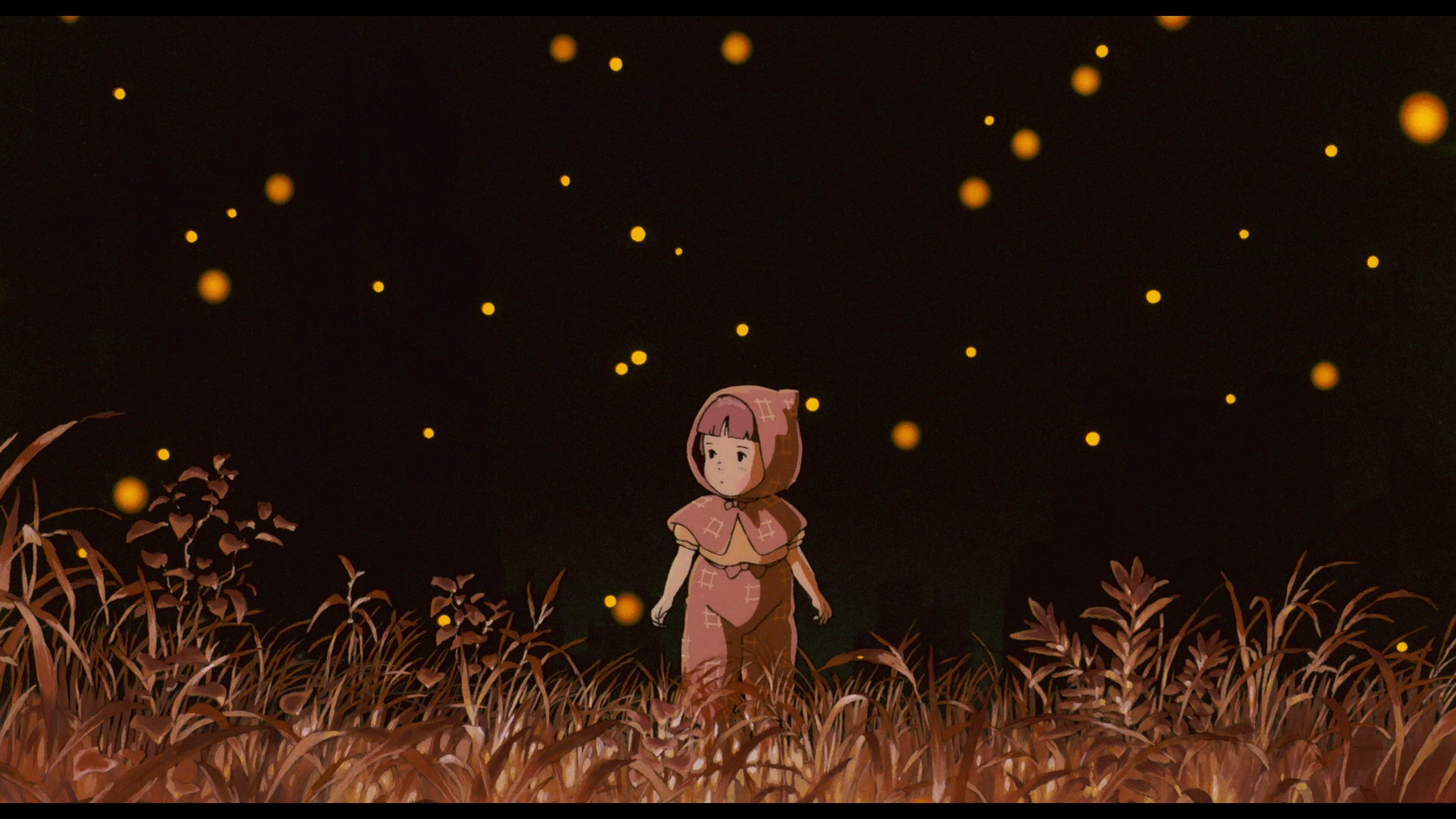
Grave of the Fireflies Blu-ray Review

Studio Ghibli’s Most Heartbreaking & Bleak TaleMovie 5/5
Grave of the Fireflies stands as a somber masterpiece from Studio Ghibli, directed by co-founder Isao Takahata (Castle in the Sky) and released in 1988. Based on Akiyuki Nosaka’s 1967 semi-autobiographical novel, the film chronicles the harrowing experiences of two young siblings, Seita and Setsuko, during the final months of World War II in Japan. Orphaned after a devastating air raid claims their mother, the children must fend for themselves in a society ravaged by bombings, food shortages, and widespread apathy.
Grave of the Fireflies stands as Studio Ghibli’s most poignant effort, offering a deeply emotional portrayal of wartime survival through the eyes of two young siblings. Their story unfolds as an exploration of survival, blending moments of tender sibling affection with the unrelenting grimness of wartime reality. Unlike many war films that focus on battles or heroism, this narrative centers on the quiet, personal toll of conflict, making it a timeless plea for empathy.
Grave of the Fireflies remains powerful, unflinching drama that captures the essence of human fragility
The film explores how war erodes humanity, turning people toward selfishness while stripping away childhood innocence. Pride plays a dual role, providing dignity but also leading to isolation, as seen in Seita’s choices. It also critiques societal desensitization, where bystanders ignore human suffering, fostering a message of uncaring collective indifference.
Isao Takahata critiques Japanese society during the war, portraying bystanders’ indifference and the aunt’s growing hostility as symptoms of a desensitized populace prioritizing survival over solidarity. War serves not as a spectacle of combat but as a force that blinds individuals to compassion, transforming them into self-preserving entities who view others as burdens.
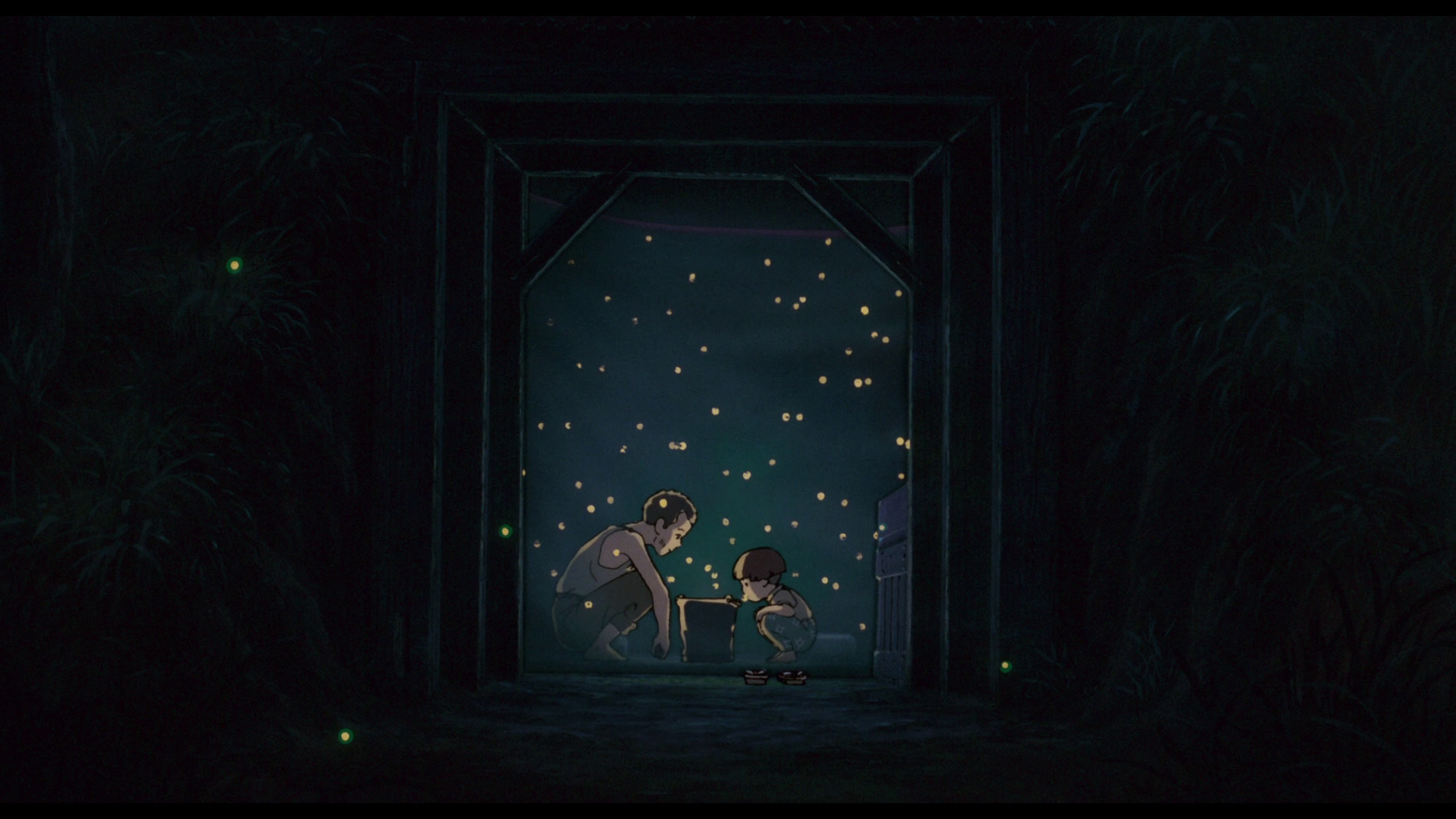
Seita’s pride, rooted in his father’s military status, becomes a tragic flaw; it drives him to reject help, prioritizing dignity over practicality and ultimately contributing to their isolation. Setsuko’s innocence provides a heartbreaking counterpoint. Her simple childlike wonder such as burying fireflies, or pretending marbles are candy, highlight the theft of her childhood by society.
Grave of the Fireflies remains powerful, unflinching drama that captures the essence of human fragility. Those seeking thoughtful reflections on war and its tragic consequences, the story’s gripping intensity demands emotional preparation. For many anime watchers, Grave of the Fireflies is an essential part of the genre’s foundation.
VideoVideo 4/5
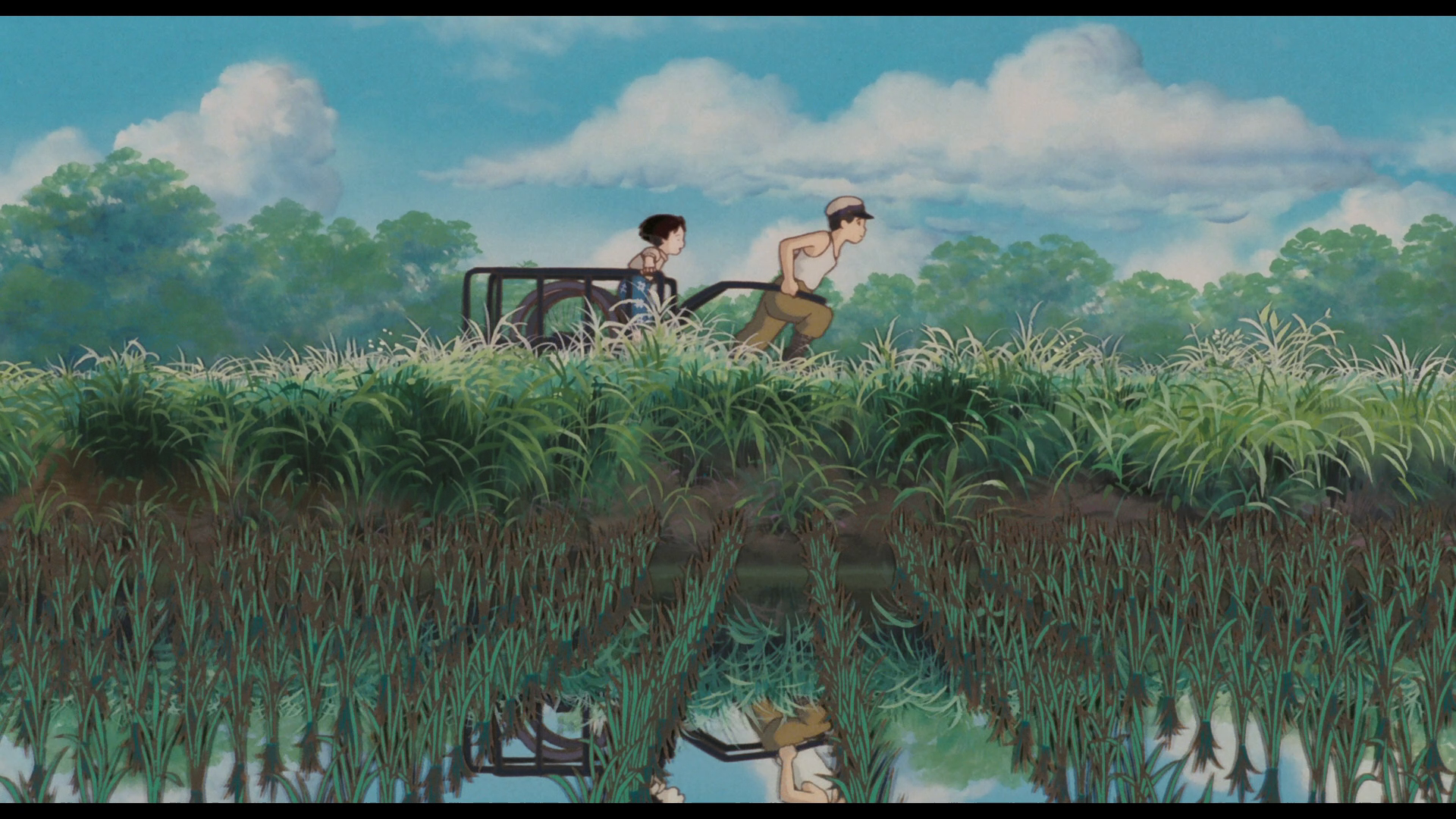
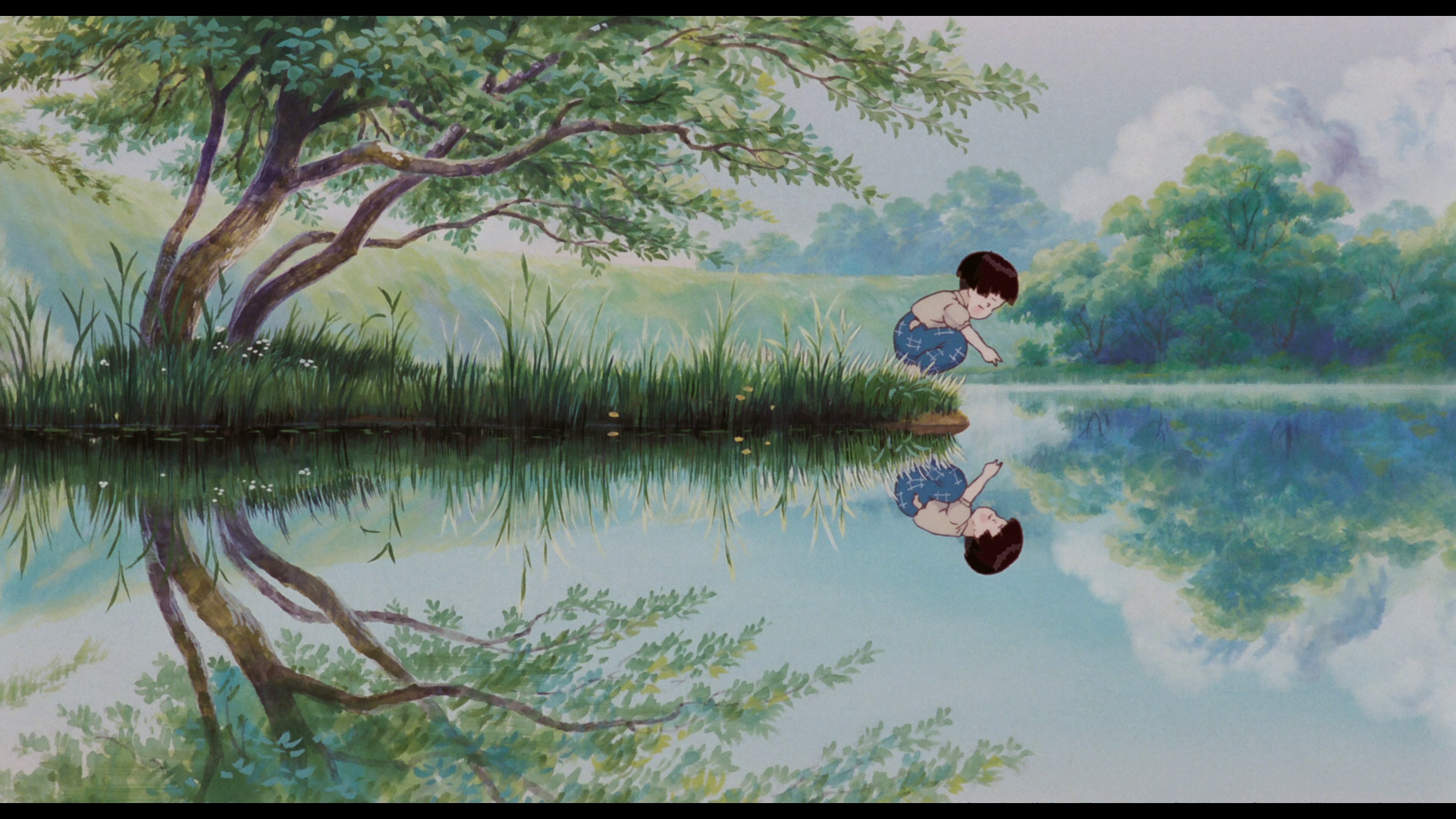
Studio Ghibli’s animation in Grave of the Fireflies employs a realistic, hand-drawn style that captures the era’s desolation with intricate details in backgrounds and character expressions. Colors shift from warm, nostalgic hues in flashbacks to muted grays and reds during raids, enhancing the emotional atmosphere. This is not comparable in animation quality to later Studio Ghibli masterpieces like Princess Mononoke or Spirited Away. Grave of the Fireflies is grounded in reality and the horrors of war unlike those fantasy movies.
The 2025 GKIDS Blu-ray is encoded in 1080p AVC at a 1.85:1 aspect ratio on a BD-50. The steady video delivers superb clarity with sharp details and vibrant contrasts, free from artifacts like banding. Sequences such as the fireflies glowing in the shelter or the fiery bombings showcase intricate lighting and grain texture, preserving the film’s artistic intent immaculately. Minor complaints might include occasional softness in older source material but overall it’s a pristine transfer that honors the original cel animation without processing.
AVC encoders have advanced since Sentai Filmworks first issued Grave of the Fireflies on BD in 2012. The big elephant in the room is the lack of a new 4K film transfer, which makes this GKIDS disc a slight upgrade over the perfectly fine 2012 Blu-ray’s video quality.
AudioAudio 4/5
The primary Japanese track is presented in DTS-HD Master Audio 2.0, offering clear dialogue and a haunting score by Michio Mamiya that swells during poignant moments without overpowering subtleties. Sound design captures ambient effects like distant bombs or rustling leaves with impressive front-stage presence and balanced dynamics. Bass is subtle but effective in raid scenes, making the mix immersive despite its stereo format.
Your choice of two English dubs are included, both in DTS-HD MA 2.0, providing solid alternatives with natural voice acting, though purists will prefer the Japanese audio for its emotional authenticity. They are the 1998 Central Park Media dub from the DVD era and a 2012 English dub made for the Sentai Filmworks BD. The English dub made for Netflix is not included.
Optional English, English SDH, Spanish and French subtitles play in a white font.
ExtrasExtras 3/5
GKIDS packs a comprehensive suite of supplements surpassing the old Sentai Filmworks BD, ported from prior editions but valuable for fans. Highlights include feature-length storyboards running alongside the film, deleted scenes storyboards, and in-depth interviews with director Isao Takahata discussing the adaptation’s challenges and Nosaka’s influence.
Interviews with critic Roger Ebert and Takahata himself explores the film’s anti-war legacy, while Nosaka’s locations tour visits real Kobe sites inspiring the story. All with English subtitles for Japanese content. GKIDS issues the BD in both SteelBook packaging, featuring collectible appeal with embossed artwork, and a regular BD and DVD combo release available with a slipcover.
The BD is coded for Region A.
Feature Length Storyboards (88:32 in HD; all three audio options available)
Deleted Scene Storyboard 1 (01:52 in SD)
Deleted Scene Storyboard 2 (00:38 in SD)
Image Galleries (7 in HD) – Background art (68:45), Background design (04:52), Behind the Scenes (04:47), Character/Color Design (10:02), Concept Art (09:32), Image Boards (15:02), Location Scouting (08:52)
Joint Project Promotional Video (15:19 in SD) – Studio Ghibli decided to release both My Neighbor Totoro and Grave of the Fireflies in 1988.
Interview with Director Isao Takahata (17:48 in SD)
Interview with Roger Ebert (12:17 in SD) – One of the more informed and insightful American reviews of the movie.
Teasers & Trailers (02:41 in HD)
Full disclosure: This Blu-ray was provided by the label for review. This has not materially affected DoBlu’s editorial process. For information on how we handle all review material, please visit DoBlu’s about us page.
Movie
Studio Ghibli’s most tragic and powerful storytelling as two Japanese orphans struggle to survive during World War II’s devastation
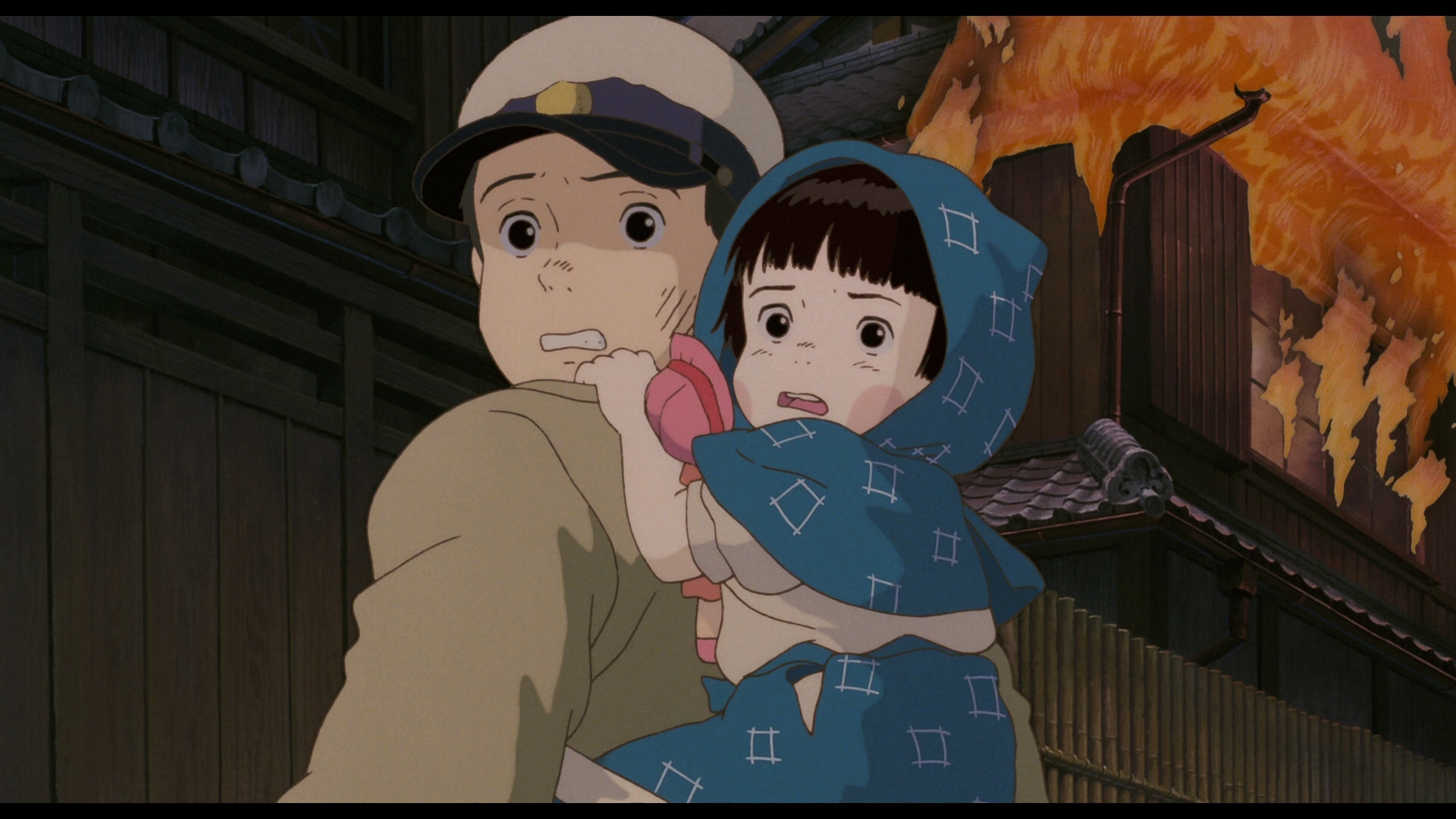
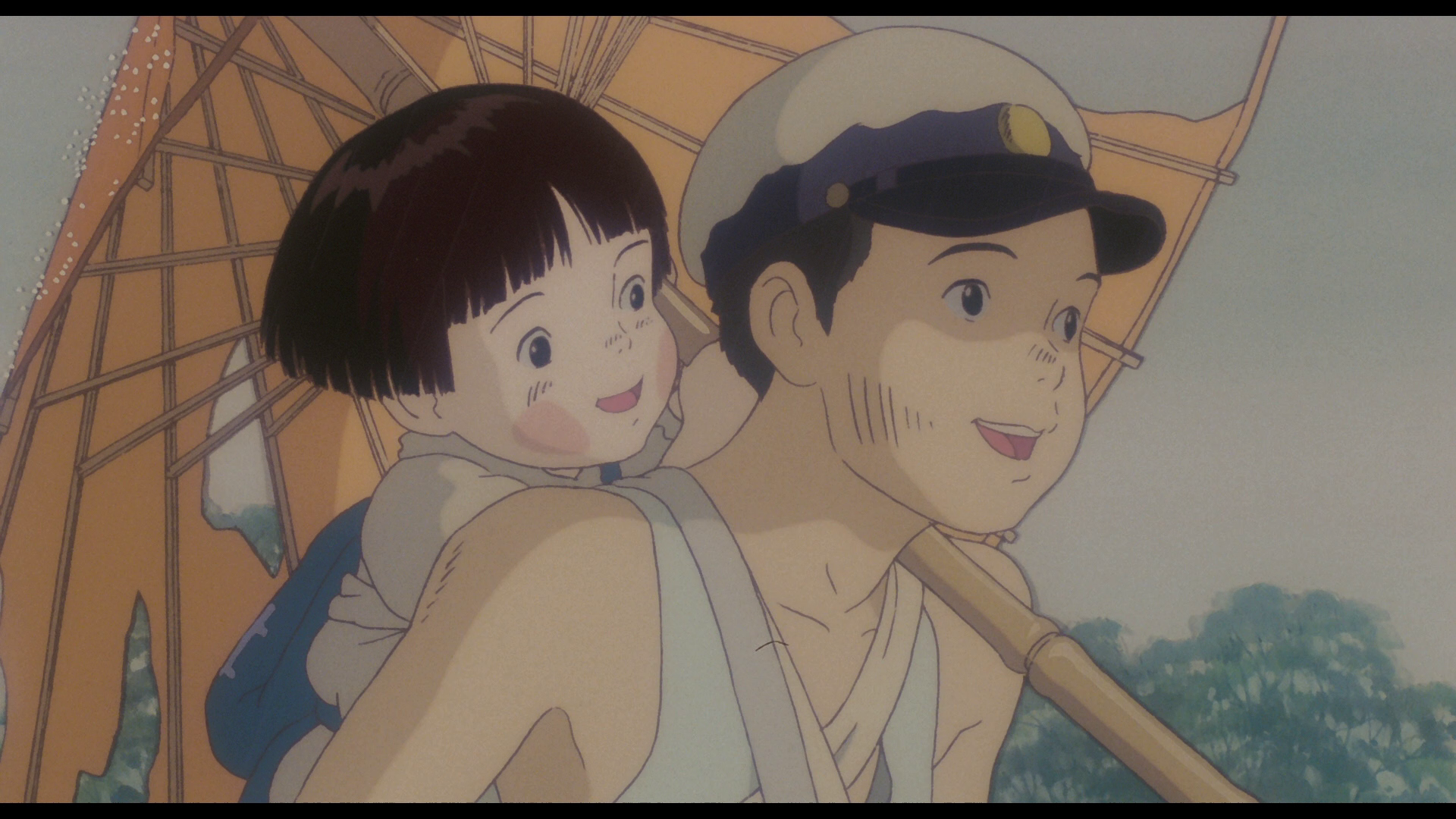
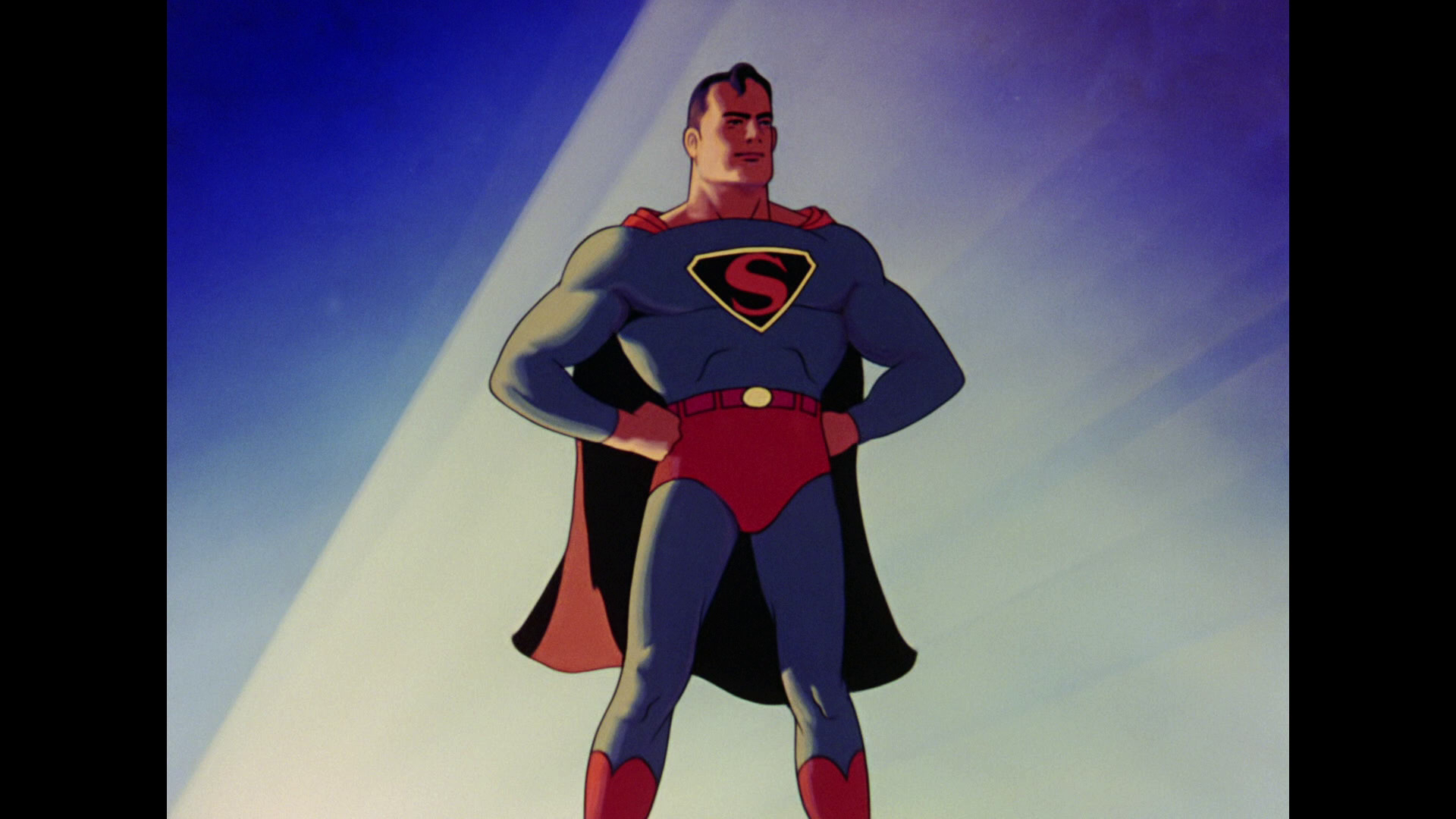
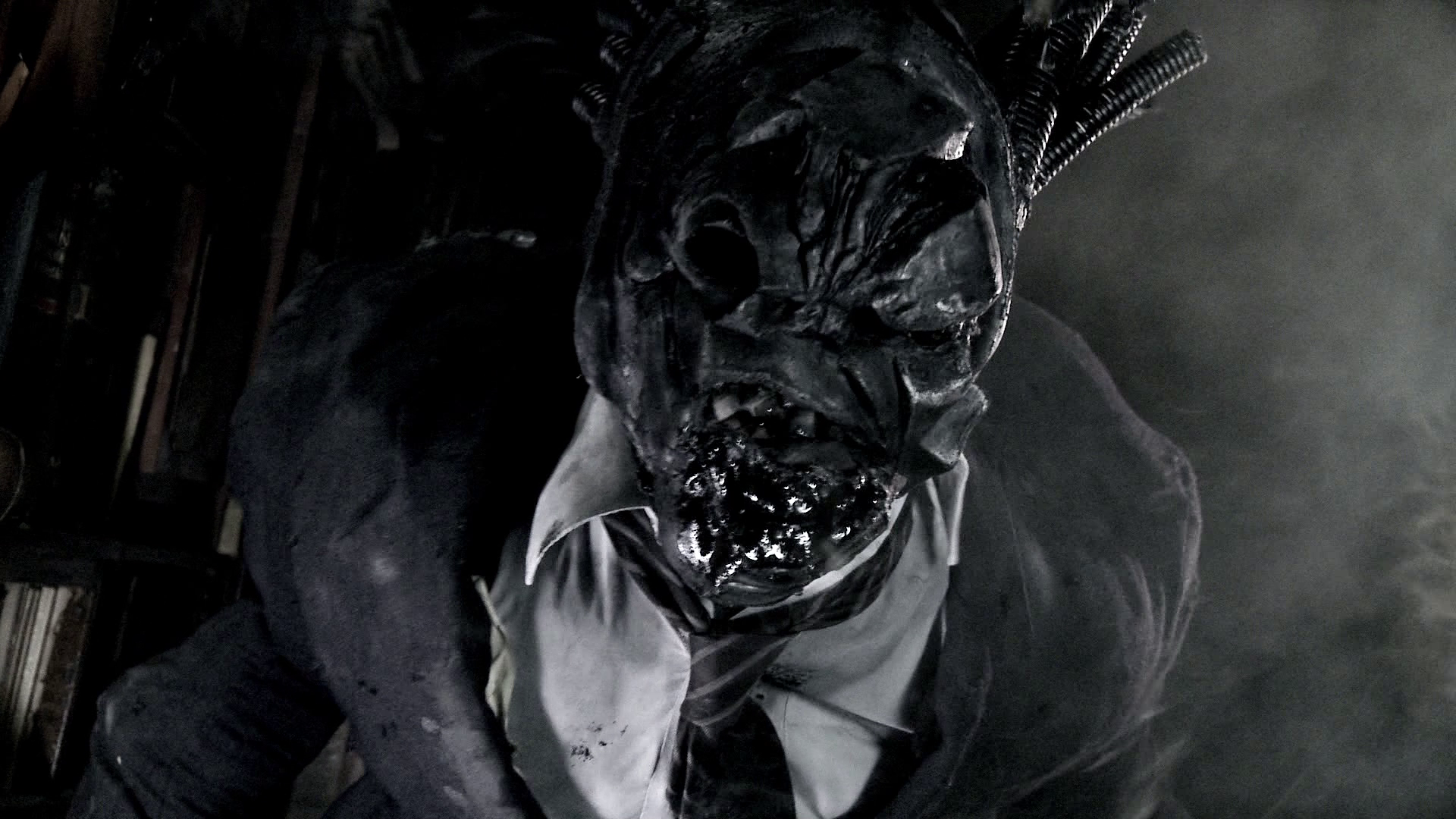
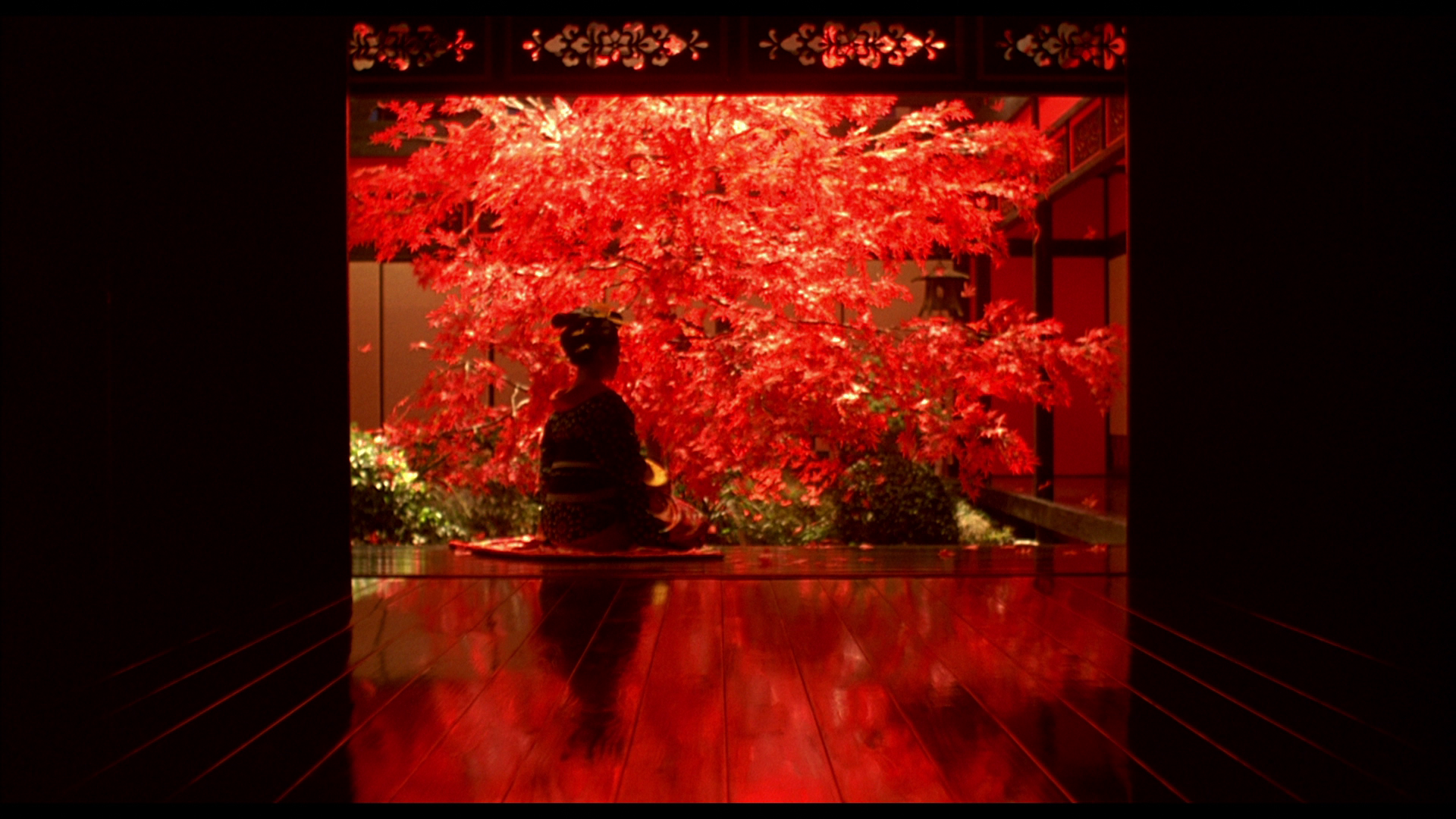
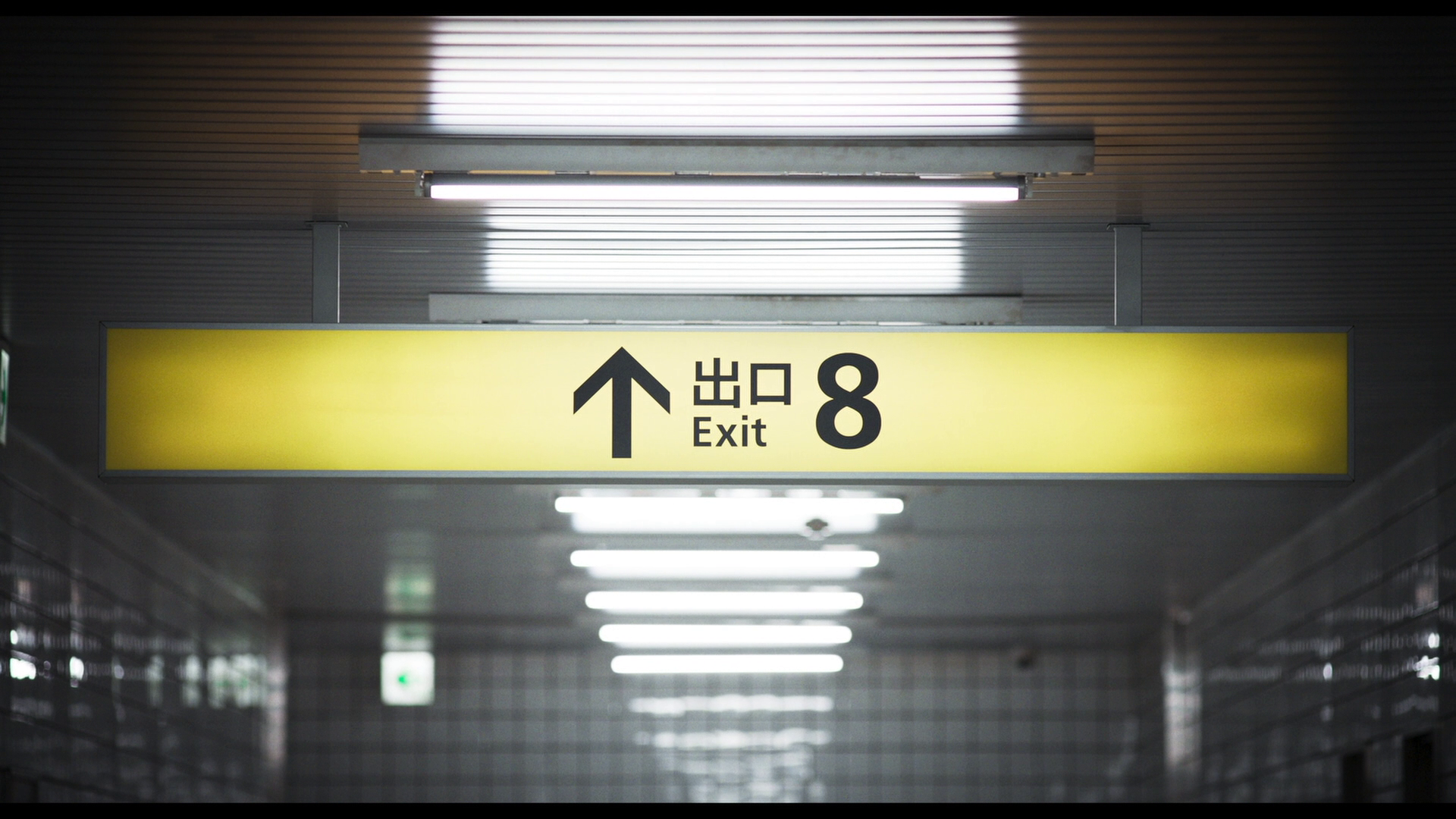
The following six screen shots serve as samples for our subscription-exclusive set of 50 full resolution, uncompressed HD screen shots ripped directly from the Blu-ray:


Leave a Reply
You must be logged in to post a comment.