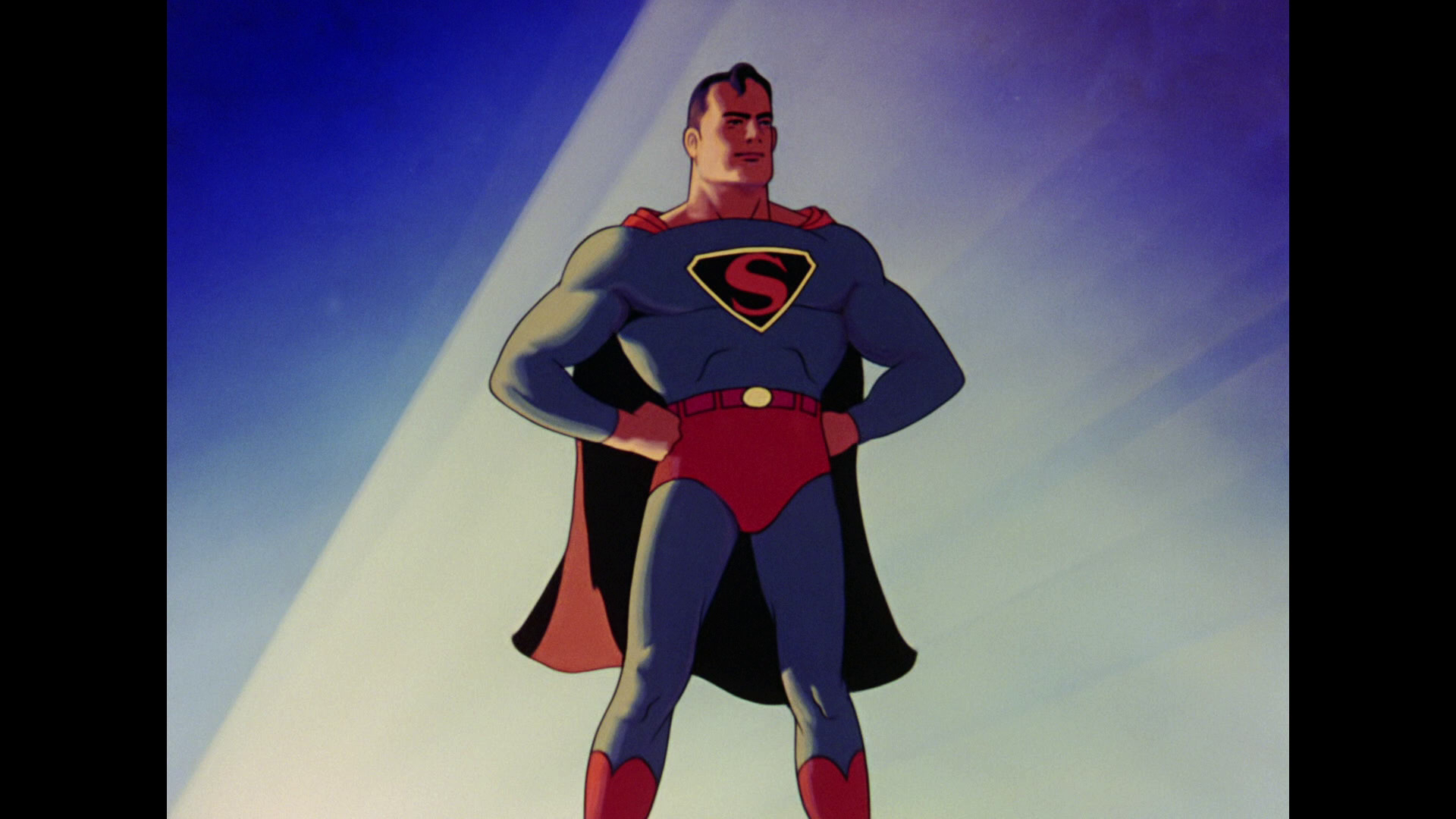
Max Fleischer’s Superman Blu-ray Review
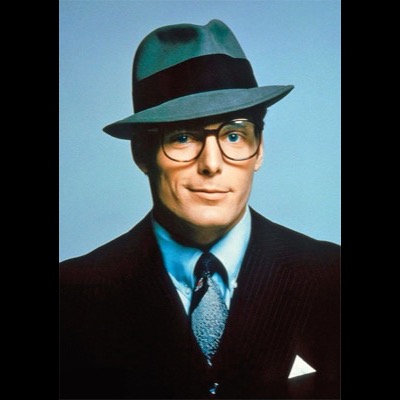

The Never-ending Battle For Truth & Justice BeginsMovie 5/5
The Superman theatrical cartoon shorts produced by Fleischer Studios (and later its successor, Famous Studios) for Paramount Pictures represent a pivotal chapter in both animation history and the evolution of the Superman mythos. Released between 1941 and 1943, these 17 Technicolor shorts, each roughly 10 minutes long, marked Superman’s first animated appearance and one of his earliest media adaptations outside of comic books. Lavishly budgeted for their era (initially around $50,000 for the first, then reduced down the road to $30,000 each), they blended groundbreaking animation techniques, high-stakes action, and a sense of dramatic realism that elevated cartoons beyond slapstick comedy.
Only the first nine were produced under the Fleischer name before internal conflicts led Paramount to reorganize the studio as Famous Studios, but all have collectively become known as the Fleischer Superman cartoons. Their lasting influence endures in Superman’s powers, visual style, catchphrases, and the broader language of superhero animation.
Max and Dave Fleischer were initially reluctant since they knew the difficulties of animating human figures with realistic motion. Dave reportedly quoted an exorbitant $100,000 per short to deter Paramount, but the distributor negotiated it down. The high budget showed on the screen as these were among the most expensive animated shorts of the Golden Age, allowing for fluid motion, detailed backgrounds, and elaborate effects. Their only true peer at the time was Disney animation’s hallowed output.
Fleischer Studios pioneered rotoscoping (tracing live-action footage for realistic movement), invented by Max Fleischer. Muscleman Karol Krauser served as the rotoscope model for Superman’s human movements, lending a grounded physicality rare in animation at the time. Powers like flight and super-strength, which couldn’t be fully rotoscoped, were animated pose-to-pose with a careful approach. This hybrid approach created a striking contrast. Now realistically moving humans went against more stylized monsters, machines, and all manners of destruction.
The opening narration, “Faster than a speeding bullet! More powerful than a locomotive! Able to leap tall buildings in a single bound!” followed by “Up in the sky! Look! It’s a bird! It’s a plane! It’s Superman!” has became an iconic part of pop culture. Voices include Bud Collyer as Superman/Clark Kent and Joan Alexander as Lois Lane, both reprising their radio roles. Sammy Timberg’s score provides a dramatic punch indelibly linked to the superhero.
A key production decision had a major impact which would soon change superhero comics forever. Early DC comics saw Superman primarily leaping great distances. Animators found this awkward in motion, so they had him fly instead with DC’s approval. This change was later adopted into the comics in 1943, cementing flight as one of Superman’s core powers.
Visually and thematically, Max Fleischer’s Superman set powerful precedents for superhero animation
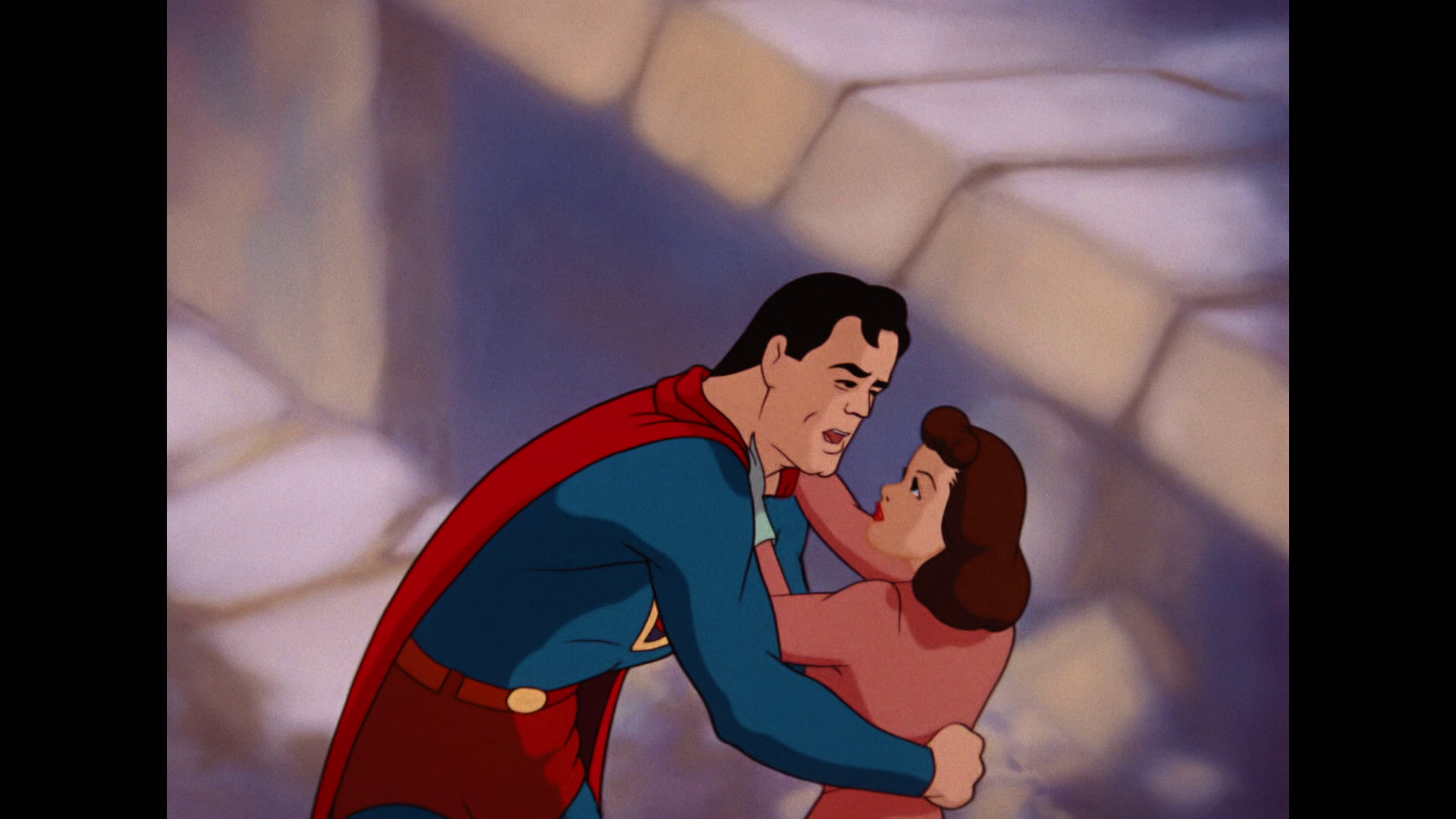
The first short simply titled Superman (a.k.a. The Mad Scientist, September 1941), was nominated for an Oscar. It established the formula that played constantly throughout the early shorts produced by the Fleischers: a threat to Metropolis, Lois Lane in peril after pursuing a story, and Superman saving the day while Clark Kent maintains his mild-mannered facade.
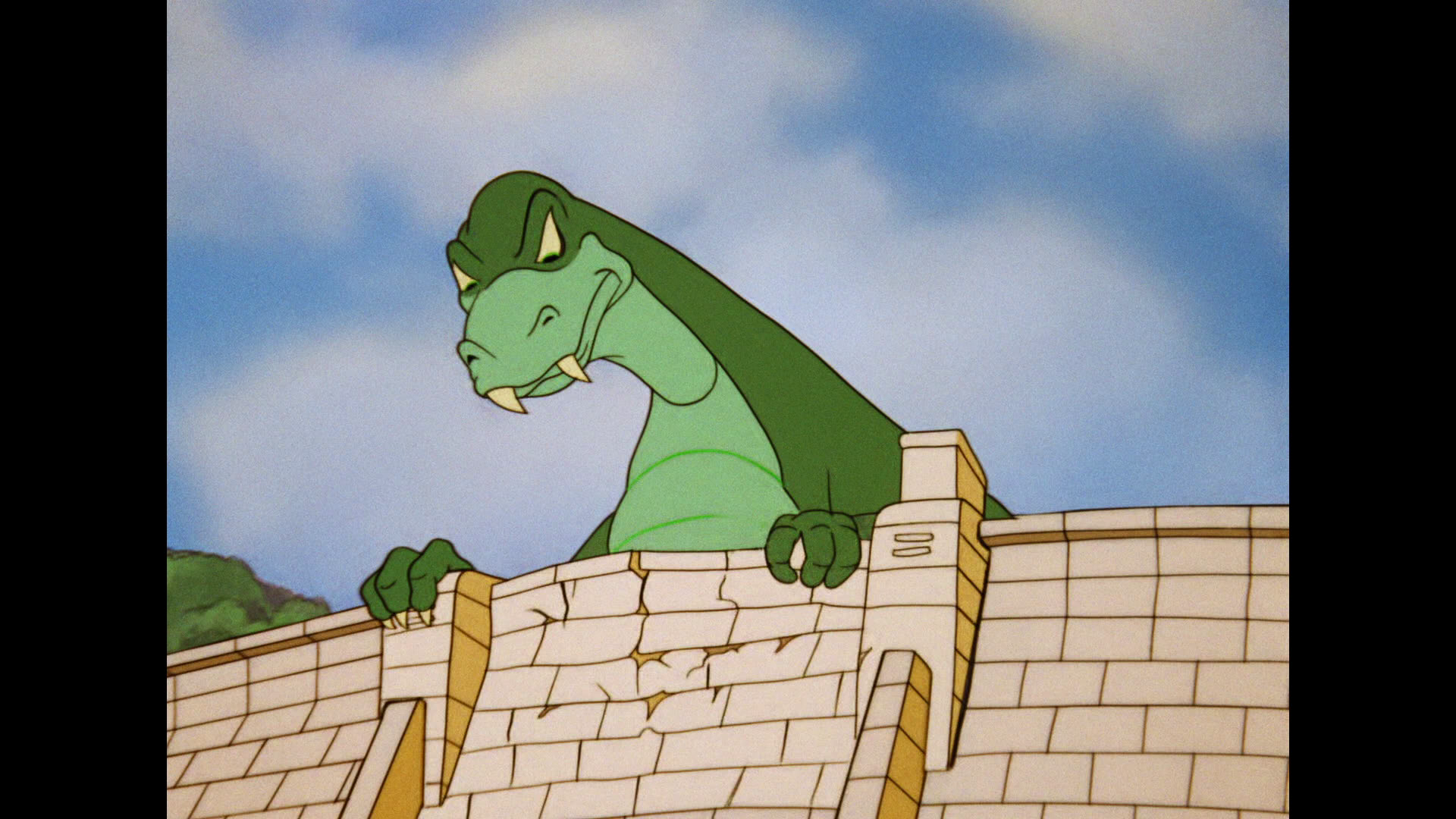
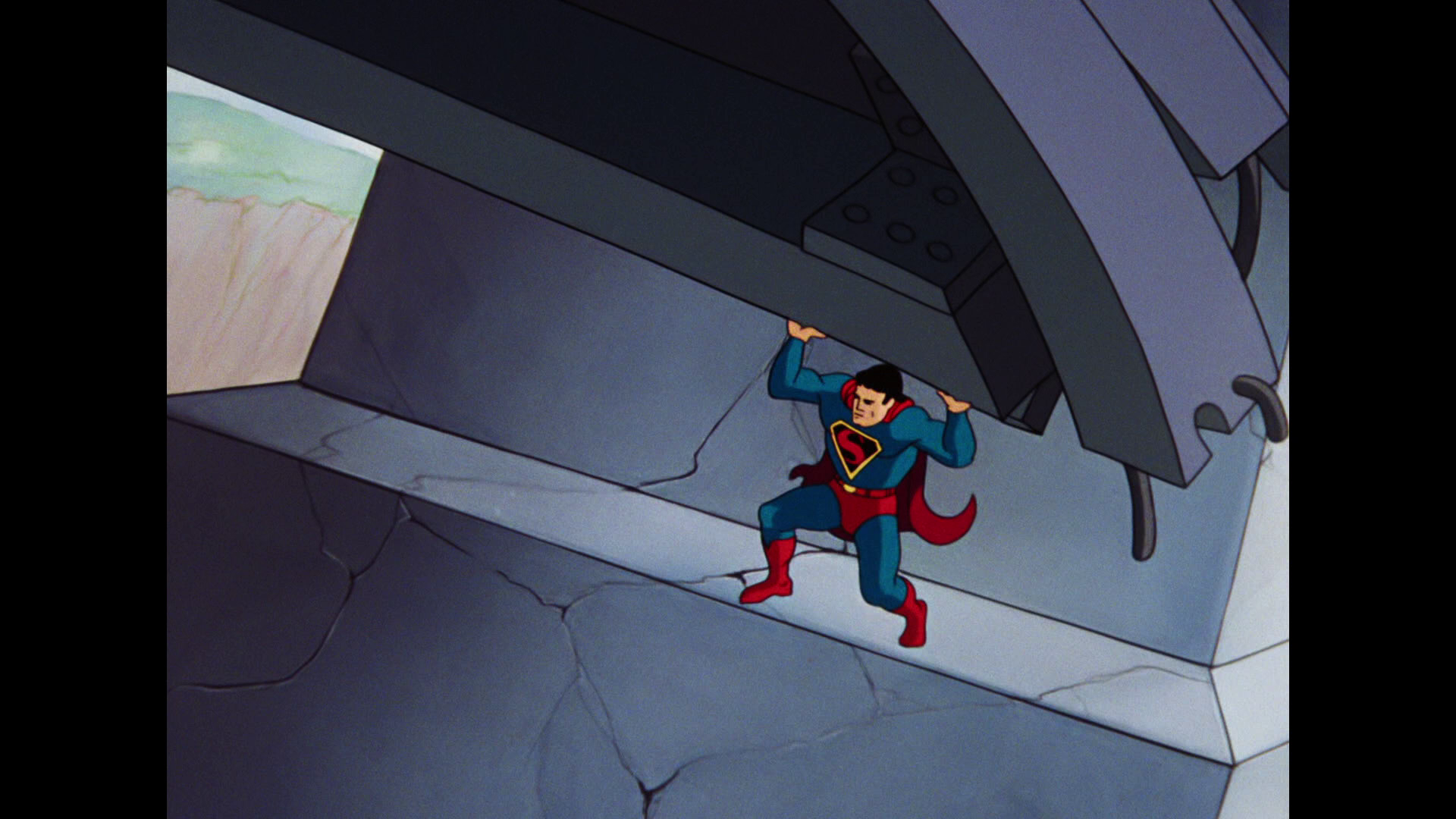
The first nine shorts produced by the Fleischers lean heavily into sci-fi and monster-of-the-week scenarios. They see mad scientists wield death rays, magnetic telescopes pulling comets toward Earth, electric earthquake machines, giant robots, and revived dinosaurs. Episodes like The Mechanical Monsters (with its bank-robbing robots), The Arctic Giant, The Magnetic Telescope, and The Bulleteers showcase inventive gadgets and large-scale destruction. These reflect pulp influences and anxieties of the era about unchecked technology and industrialization.
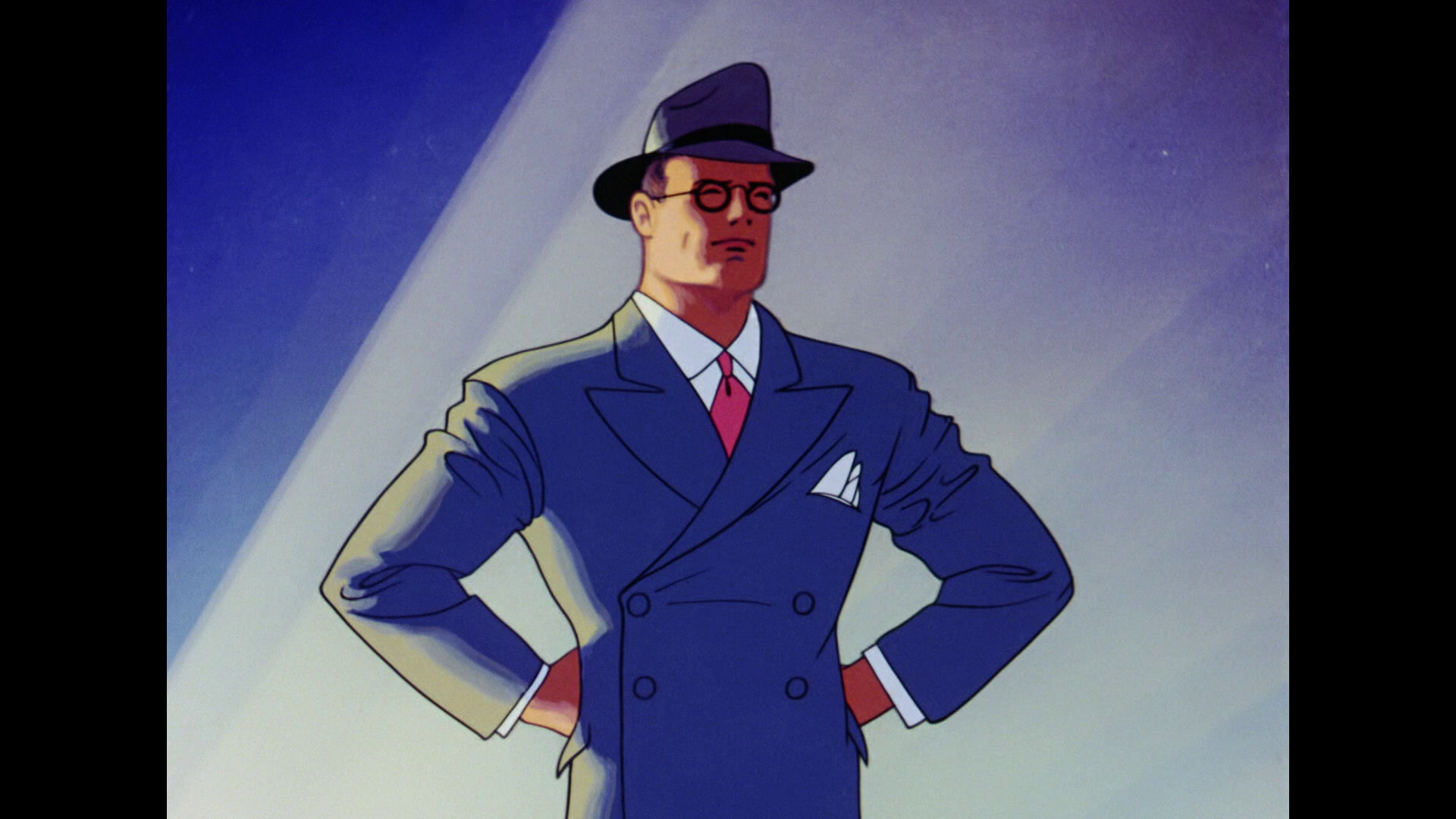
The Fleischers’ Superman embodies straightforward moral clarity. He fights for “truth and justice” without moral ambiguity. He is an unstoppable force of good who protects the innocent, rescues Lois, and defeats villains through strength, ingenuity, and determination. Clark Kent’s dual identity adds humor and tension, with Lois often dismissive of Clark while completely unaware he’s Superman.
Intrepid reporter Lois Lane is no damsel in distress. She is proactive in the shorts, piloting planes, stowing away, and chasing exclusives, often putting herself in peril that Superman must resolve. This dynamic reinforced Lois as a capable, career-driven woman, a staple of the character for decades. She also loves undermining Clark Kent at the Daily Planet, always angling for scoops over her coworker.
After the studio transition and U.S. entry into WWII, the tone shifts. Shorts like Japoteurs, Eleventh Hour, Destruction Inc., and Jungle Drums feature Nazi and Japanese saboteurs meddling in the American war effort. Hitler even makes a cameo appearance. Superman directly aids America, sabotaging enemy operations and foiling plots. These entries are amusing in some regards given how dated they feel to modern audiences, but they underscore Superman as a defender of democracy and American values during global conflict.
These cartoons profoundly shaped Superman as a character. They popularized flight, the phone-booth change, X-ray vision, and the classic opening narration, which crossed into radio and live-action. They visualized the character with a sleek, powerful design that influenced later depictions, including Alex Ross’s art and the Animated DC Universe decades later.
Visually and thematically, Max Fleischer’s Superman set powerful precedents for superhero animation. The Art Deco Metropolis, dramatic lighting, shadows, and sense of scale influenced Batman: The Animated Series (with its darker tones and design) and Superman: The Animated Series. Filmmakers like Hayao Miyazaki drew from the mechanical designs (such as robots in The Mechanical Monsters influencing Castle in the Sky), and live-action homages have appeared in Sky Captain and the World of Tomorrow.
They proved animation could deliver serious action and drama, not just comedy, paving the way for modern superhero cartoons and films. By bringing Superman to theaters in vivid Technicolor, they helped cement him as a cultural icon during his peak popularity. DC Comics honored Fleischer Studios in its 50th-anniversary tributes. The shorts capture Golden Age Superman at his most pure as an optimistic champion who flies into action against impossible odds.
The Fleischer Superman shorts were a technical and creative triumph born of reluctant ambition and wartime context. They transformed a comic book hero into a cinematic force, refining his powers and persona while showcasing animation’s potential for spectacle and storytelling. Their themes of heroism against technological hubris, crime, and tyranny resonated in the 1940s and continue to echo in Superman media today. More than relics, they are foundational texts for the character. Proof that the Man of Steel’s greatest strength has always been his ability to inspire across mediums, soaring higher than a plane and faster than a speeding bullet.
These shorts remain essential viewing for understanding why Superman endures as a symbol of hope, justice, and his endless battle for a safer world.
All seventeen theatrical shorts produced by Fleischer Studios and Famous Studios are included:
– “Superman” (10:28) a.k.a. “The Mad Scientist”
– “The Mechanical Monsters” (10:15)
– “Billion Dollar Limited” (08:36)
– “The Arctic Giant” (08:36)
– “The Bulleteers” (08:04)
– “The Magnetic Telescope” (07:47)
– “Electric Earthquake” (08:44)
– “Volcano” (07:57)
– “Terror on the Midway” (08:29)
– “The Japoteurs” (09:14)
– “Showdown” (08:21)
– “Eleventh Hour” (09:06)
– “Destruction, Inc.” (08:34)
– “The Mummy Strikes” (07:48)
– “Jungle Drums” (09:07)
– “The Underground World” (08:13)
– “Secret Agent” (07:40)
VideoVideo 2/5
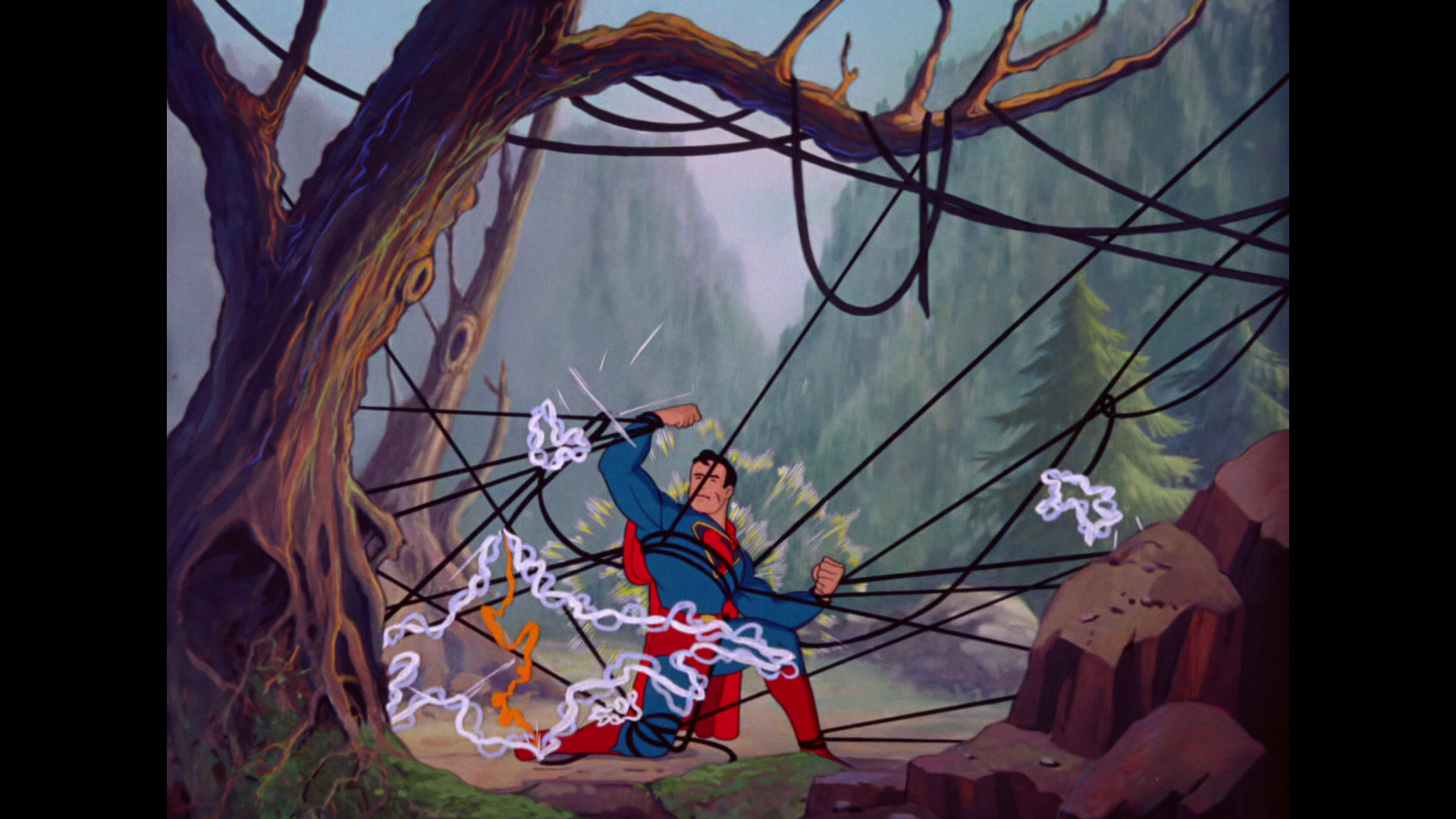
WB issues all seventeen Technicolor theatrical shorts uncensored on a BD-50, encoded in adequate AVC. This is the first time they have been transferred from the original 35mm negatives for Blu-ray. Casual Superman fans will be far more satisfied by the “restored” picture quality than demanding fans expecting a completely authentic and unprocessed HD restoration. The new transfer filters out the grain and tweaks the color correction for more contrast.
One of the major issues hampering these theatrical cartoon shorts from getting a comprehensive, major restoration is they accidentally entered the public domain years ago. That allows any low-budget label to issue them if they can acquire copies of several circulating prints. Multiple versions have been issued on DVD and Blu-ray by sketchy labels looking for a quick buck hoping to cash-in on Superman’s fame and brand. Most of them have been mediocre.
While Paramount released the shorts in 1941 through 1943, the surviving 35mm Technicolor negatives are controlled entirely by Warner Bros. WB of course also owns all Superman trademarks and copyrights, which should give them a huge advantage over other editions. They issued the first legal and authorized versions of the Fleischer Superman shorts on DVD back in 2009.
The theatrical shorts were also included on the 2011 Superman movie anthology Blu-ray set as an unremastered bonus. Unfortunately their set of elements have slight issues with certain opening and closing credits, as many have speculated the masters were cut up years ago for television syndication and never restored intact. Ironically some of the public domain releases have more faithful credit sequences.
As a side bonus to releasing all the Christopher Reeve Superman movies on 4K UHD, Warner decided to tackle a new restoration for all the Fleischer shorts in the 2020s. Released on its own BD in 2023, here is their press copy regarding their process:
“Warner Bros. Discovery’s advanced remastering process began with a 4K, 16-bit scan of Fleischer’s original 35mm successive exposure negative. Staying true to the original theatrical aspect ratio of 1.37-to-1, the highest quality raw image was then scanned and then entered into the recombine process – utilizing special proprietary software to merge the successive exposure Technicolor negatives into a single RGB color image. The end result are pristine animated shorts that have been restored to the animators’ originally intended production quality.”
What sounds wonderful in theory has been met with a decidedly mixed response by videophiles and animation purists, who are more familiar with how hand-drawn cel animation from the 1940s should look. Reaction to the resulting 1080p video quality has been quite divisive and justified on some level.
Minor sins include a haphazard AVC encode, which leads to slight banding and posterization flaws. Bigger issues include an updated, more modern color grading, which has been tweaked all over the place. The beautiful Technicolor palette has been left behind for colors that were not originally there in 1941. This is a revisionist HD transfer unfaithful to the Technicolor theatrical elements, the kind Disney was putting out with regularity in the 2010s.
More casual animation watchers should find plenty of eye candy in the shorts – the animation was truly ahead of its time and often striking in design. Black levels are deep with crisp shadow delineation. Saturation levels bolster primary colors in a healthy approach. The new transfer does lack the texture and fine detail seen in unfiltered theatrical animation from the 1940s.
I won’t call this effort by WB a disaster but it is disappointing. It’s a credible but misguided attempt to spruce up the classic cel animation for modern audiences with mixed results. Superficially, the 1.37:1 1080P video looks fine on Blu-ray. Unfortunately Warner’s attempt to transform hand-drawn and colored animation from the 1940s into something resembling modern digital animation has unintended side effects like the loss of film grain.
AudioAudio 3/5
The 2.0 DTS-HD MA monaural audio is perfectly adequate with decent fidelity for theatrical shorts recorded in the early 1940s. Unfortunately, Warner repeats the audio errors found on their 2009 DVD while introducing one or two new issues, however small in scope. Sammy Timberg’s iconic musical score has its moments, you can clearly see its influence on how John Williams scored Superman: The Movie decades later.
You will have to go all the way back to the “unauthorized” Bosko DVD from the late 1990s for the most complete audio, especially for the opening credits. Some have speculated Warner and/or Paramount likely lost the original opening credits for several shorts when they were chopped up for television syndication back in the 1950s and 1960s. Public domain sets, having to use tattered but intact theatrical prints as source materials, sometimes have more complete opening credits.
Optional English SDH, French, and Spanish subtitles play in a white font.
ExtrasExtras 2/5
WB ports the two archival featurettes from their 2009 DVD set and adds one new featurette for good measure. While names like Bruce Timm and cartoon historian Jerry Beck appear, these brief looks at the theatrical shorts are quite shallow and superficial. While it’s nice WB gave the Fleischer shorts their own Blu-ray release, this is a somewhat disappointing set from an A/V perspective while also rehashing most of the bonus material collectors already own. Unrestored versions appeared in the 2011 Superman movie anthology Blu-ray set, so many already own them.
This Blu-ray has been quite controversial in the hardcore animation community for its tweaks in the color correction and possible processing. With the theatrical shorts slipping into the public domain and other labels attempting their own competing Blu-ray editions, it appears Warner made a business decision to gear this set towards casual consumers.
Max Fleischer’s Superman: Speeding Toward Tomorrow featurette (13:20 in HD) – A new featurette with people such as Matt Peters and Jim Krieg, who work on current animated DC films.
First Flight: The Fleischer Superman Series featurette (12:55 in SD) – A decent look back with names like Bruce Timm and Richard Fleischer, a relative.
The Man, the Myth, Superman featurette (13:37 in SD)
Full disclosure: This Blu-ray was provided to us for review. This has not affected the editorial process. For information on how we handle review material, please visit our about us page to learn more.
Movie
Classic animated theatrical shorts from the 1940s that remain essential viewing for understanding why Superman endures as a symbol of truth, justice, and the American Way.


Leave a Reply
You must be logged in to post a comment.