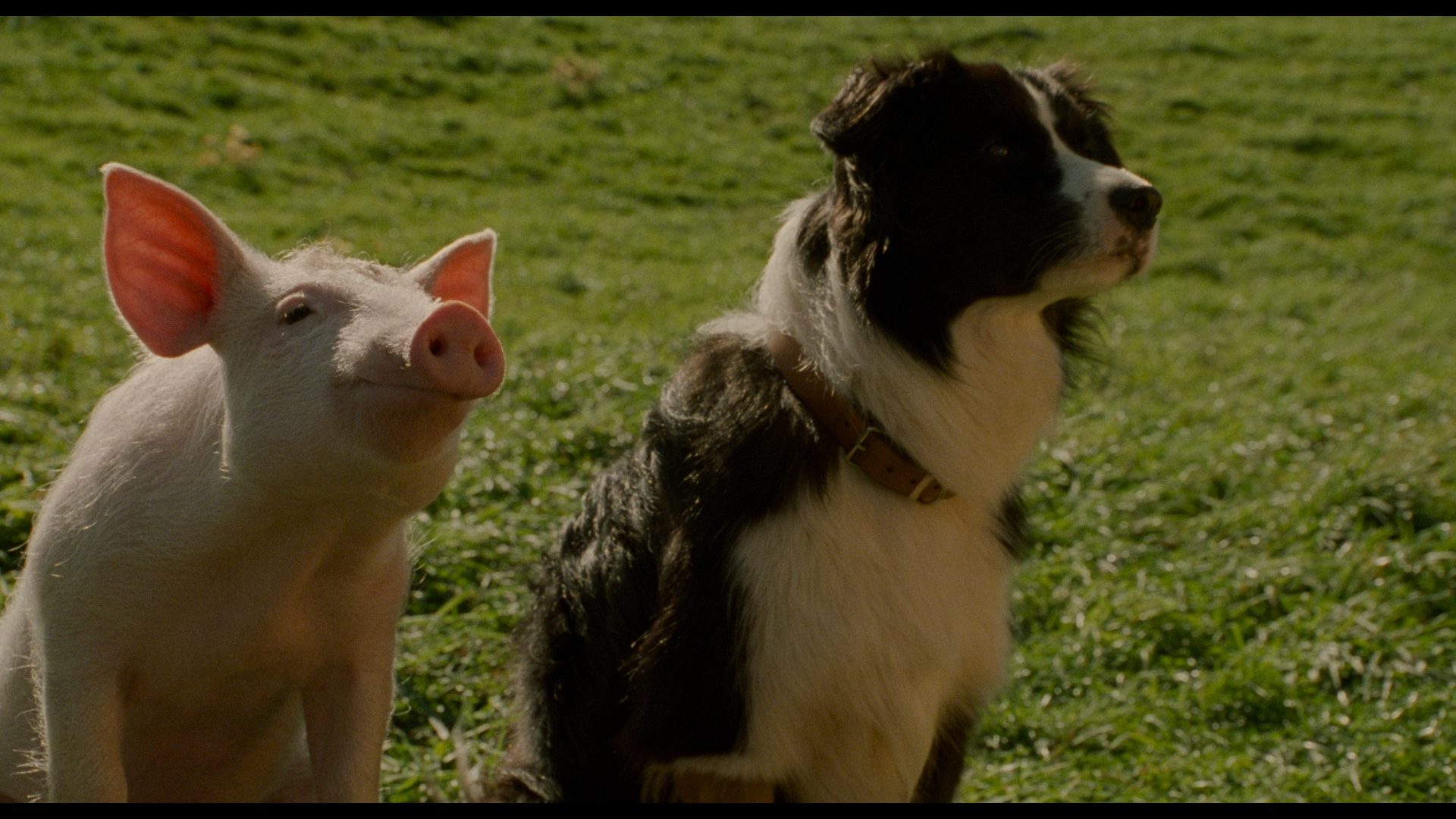
Babe 4K UHD Review


Baa, Ram, EweMovie 4/5
A G-rated movie for kids about a talking pig, somehow Babe capably speaks out about individualism, racism’s ignorance, the grim march of capitalism, and never once does it tone down any of the messaging. It’s a small miracle.
At some point in modern studio filmmaking, challenging audiences – especially kids – became a sore spot. Babe may have a pleasing and happy ending, but it’s difficult material. Animals die during this down-on-the-farm fable, graphically as they can to maintain the rating too. Nothing is easy, from Babe the pig’s existence as an outcast to thievery and dinner bells (that signal nothing positive to the edible creatures).
Babe may have a pleasing and happy ending, but it’s difficult material
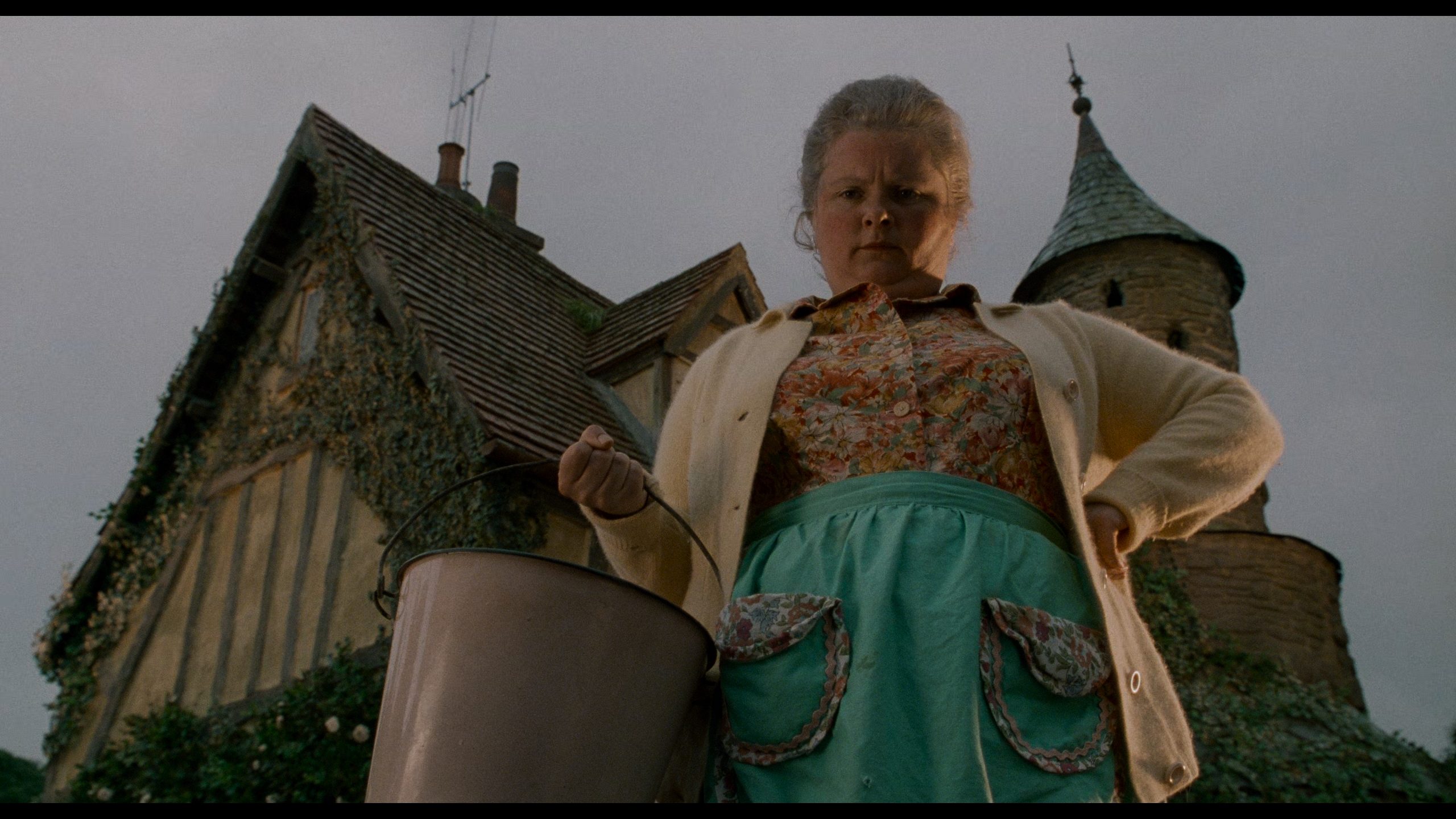
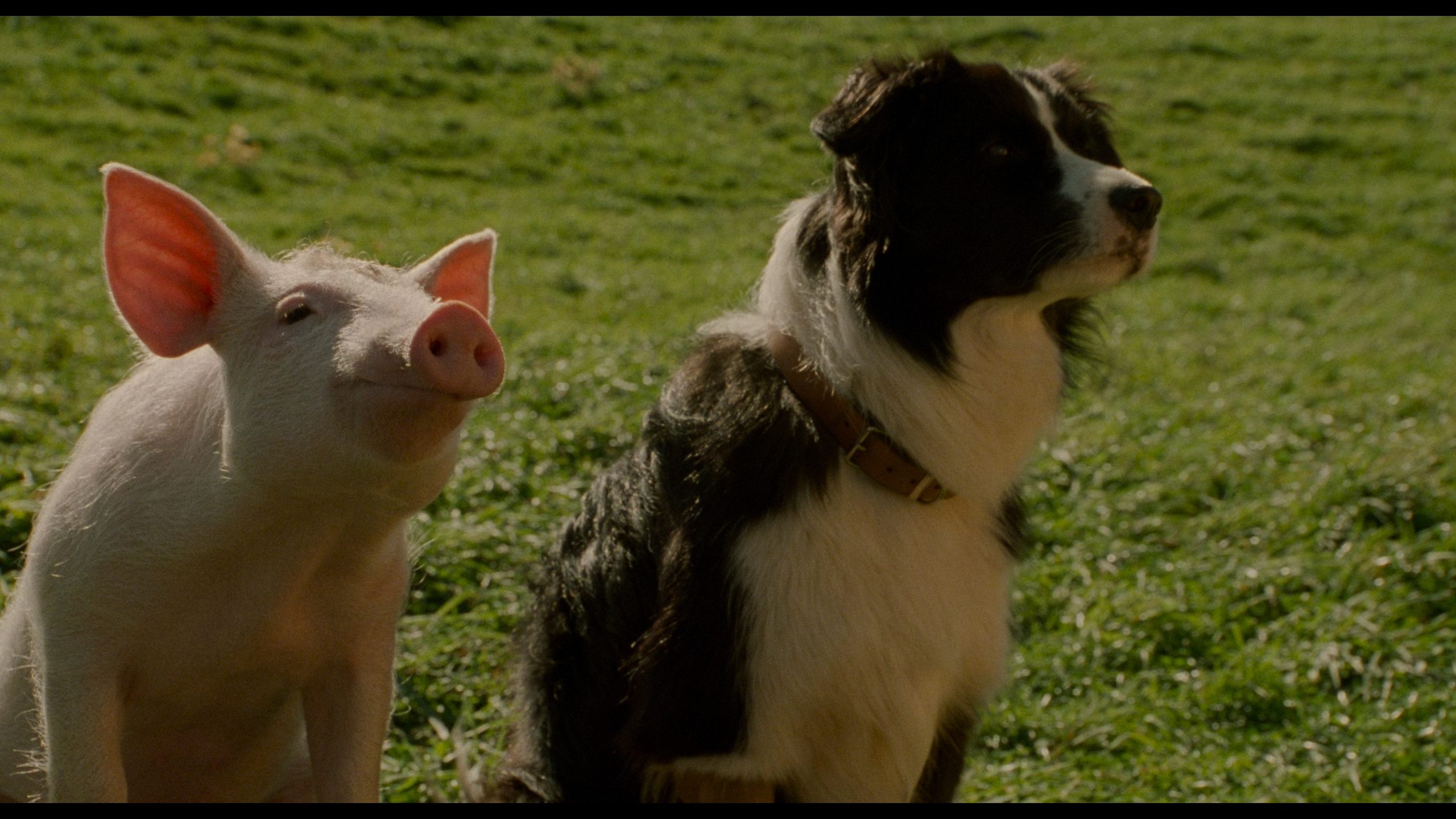
Regardless of its other themes and allegories, Babe himself represents an easy-to-grasp universal truth: just don’t be mean. The context is irrelevant. Babe may have a, “big heart,” or is it he’s simply rational in an irrational world? Farmer Hoggett’s (James Cromwell) quaint farm, that has an aesthetic out of time, becomes a societal stand-in, with different animals looking down on one another to display their own sense of self-superiority. That’s not the case with Babe, whose infinitely positive outlook on, well, everything, brings a sense of friendly righteousness to a place otherwise divided.
Babe also concerns being yourself, whether that’s a duck pretending to be a crowing rooster or the title star who slips into the role of sheepdog. Two years after Babe came Air Bud, and it would be a shock to learn the idea for a dog playing basketball didn’t stem from Babe’s deliberative scene where judges find no rules that say a pig can’t herd.
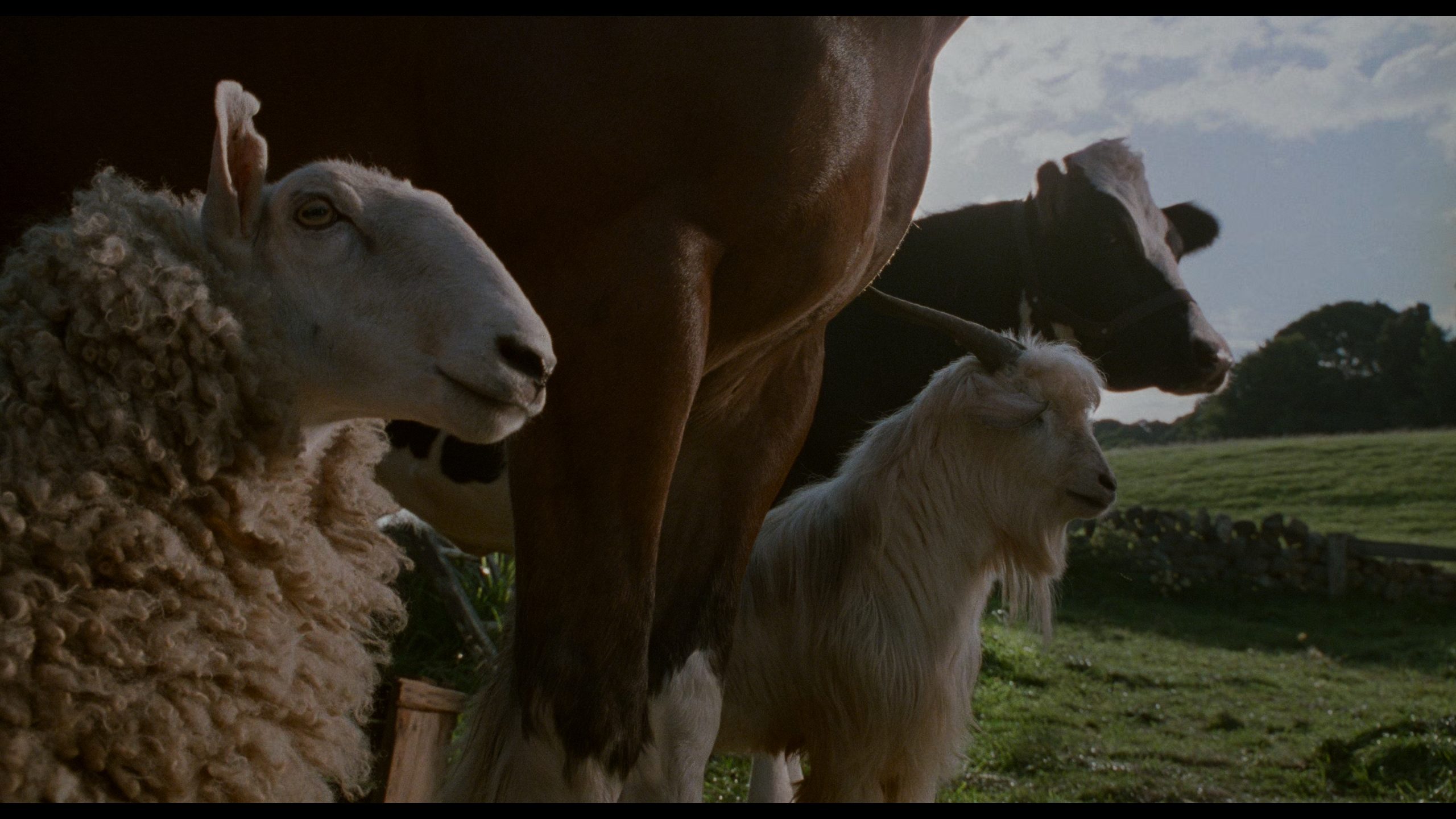
Nominated for an astonishing seven Oscars, Babe only took home one, that for special effects. While the digital effects show signs of their age, the Jim Henson Company’s jaw-droppingly real and nigh indistinguishable animatronics are among the most invisible ever put on screen. They blend seamlessly, intercut with real animals as if one and the same. It’s not that Babe needs authenticity in a story where animals speak so much as how they draw no undue attention to themselves; they’re not the movie, just an assistant which is a lesson lost in this modern era of digital everything. Those puppets serve the story, a marvelous one at that, as to never take away from the racial and identity components. The focus remains there, buried only by infinite charm.
VideoVideo 4/5
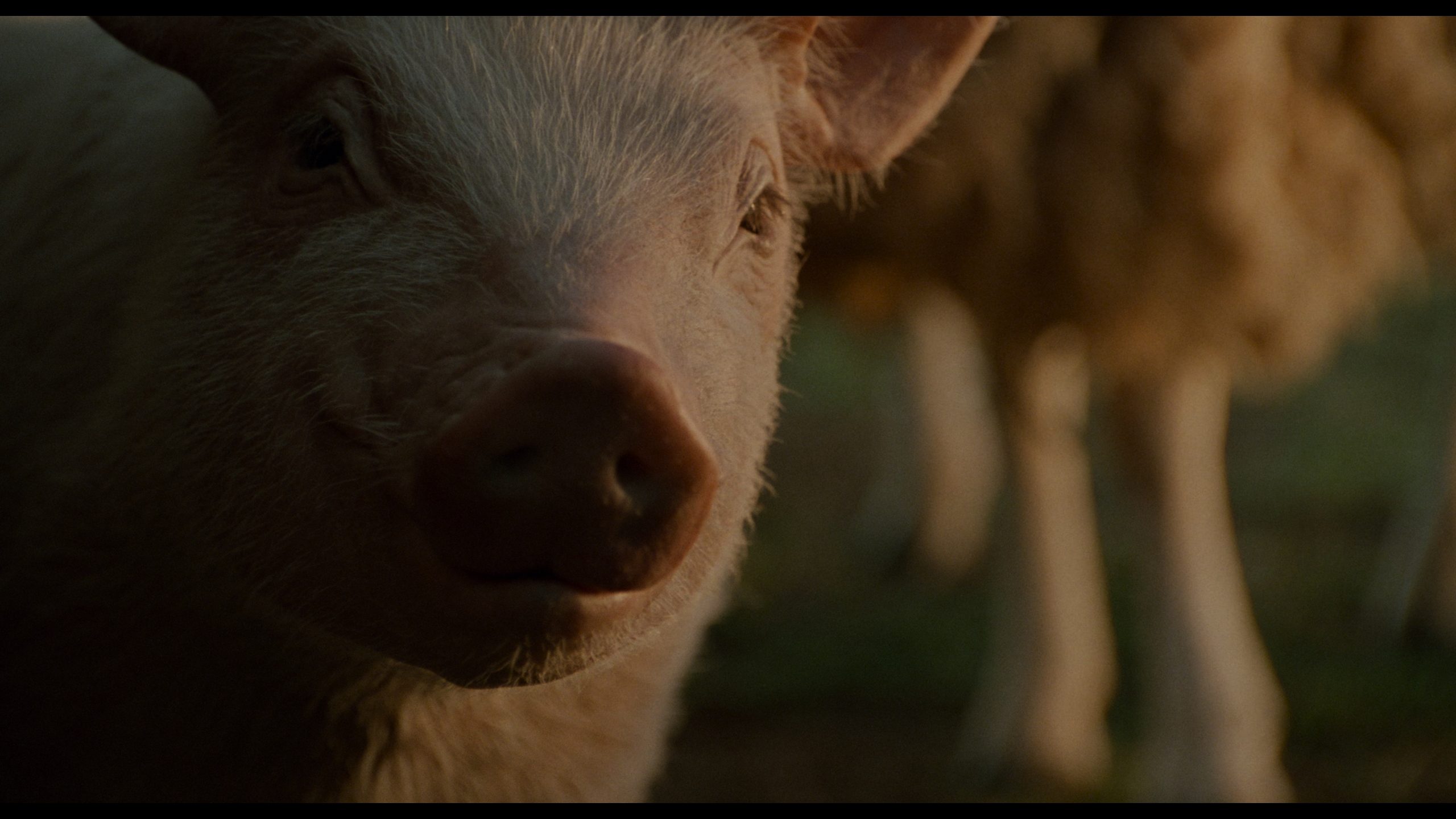
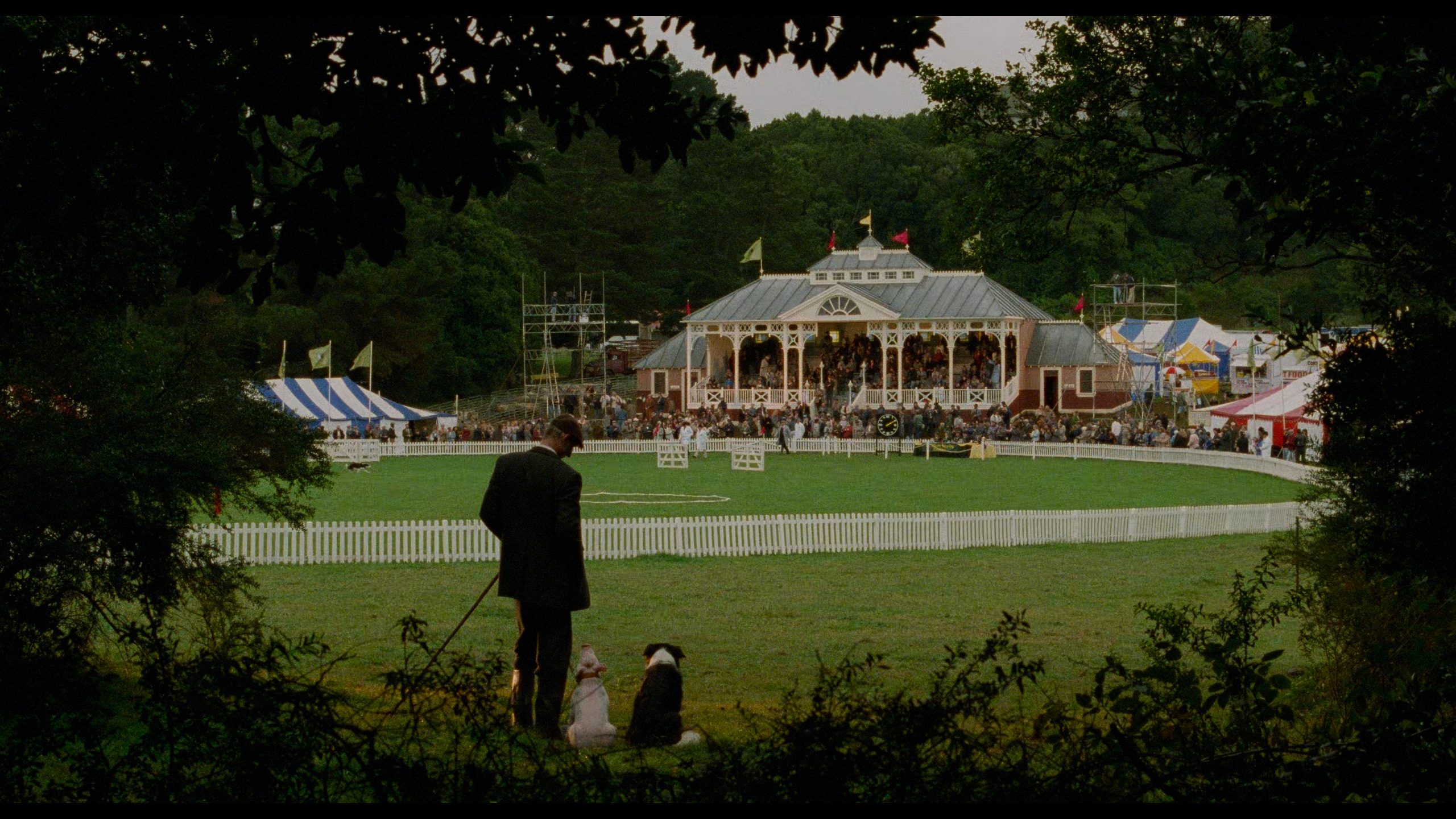
The marvelous resolution when Babe is at its best makes the imagery look new – and in some cases, better than new given the luxurious film stock. Grain isn’t an issue. Detail flourishes. Facial definition is incredible in close. Wide shots of the landscapes have no issue resolving grass, trees, or the farm’s home. It’s gorgeous.
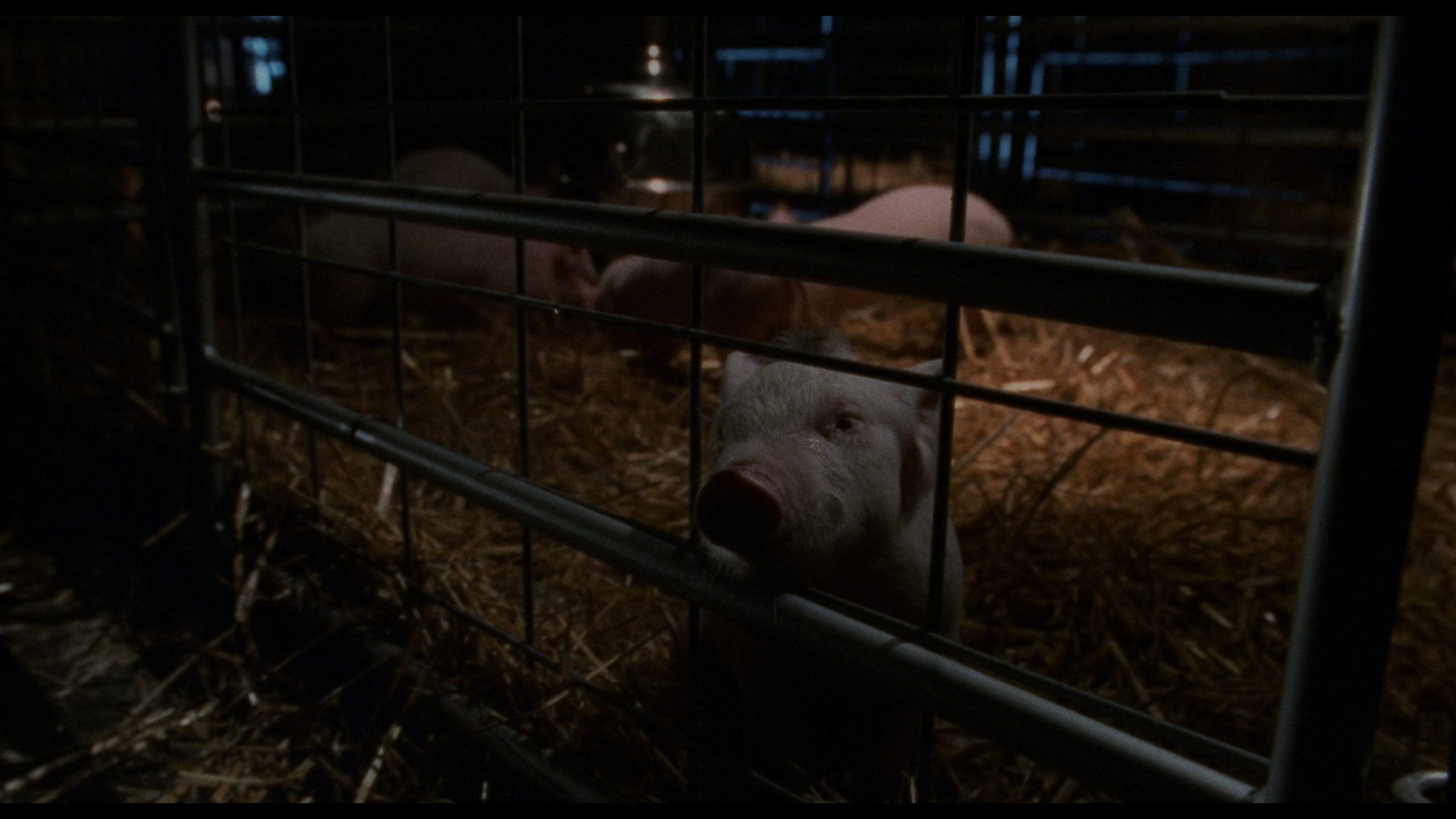
A small drop off in image firmness, unavoidably so, is visible due to the early digital effects. It’s not every instance, but occasional. There’s also the patchy parts of the print that show damage, mostly small specks and scratches, but on occasion, it’s briefly intense. The vast majority of the print appears spotless though.
Generous support from the color palette gives Babe a lushness, from the greenery on the ground to the beautiful, fantasy-like blues in the skies. Babe’s pink bring a vibrancy that stands out from the rest. The overall satisfying, comfortable warmth to the palette brings an added appeal.
Kino’s touch of Dolby Vision adds some zest to things like car headlights, and sunlight pleasingly bounces off Babe’s hair. Black levels produce marvelous shadows and that’s a win overall, even if the peak brightness isn’t notable.
AudioAudio 4/5
A stereo and a 5.1 mix are on the disc, both in DTS-HD. Babe isn’t an audio powerhouse, but it’s an active track that does wonders to expand ambiance around the farm. Bird calls have a consistent presence. Crowds during the final competition bring an excellent swell to the soundstage. The bold score fills the surrounds, extensive and bold. That’s where most of the low-end support comes from in this balanced track. Car engines and such create a slight rumble too, accentuating without being overly aggressive.
ExtrasExtras 3/5
Kino brings two commentaries to the 4K disc. The first features writer George Miller, with the second bringing historian Julie Kirgo joined by filmmaker Peter Hankoff. On the Blu-ray, Miller returns for a separate interview, and star James Cromwell does too. Kino then adds two older featurettes and a trailer.
Movie
Challenging for kids and flush with messages of kindness, Babe is a classic for its method, special effects, and comforting small farm life.



Leave a Reply
You must be logged in to post a comment.