Lost in Space (1998) 4K UHD Review


Danger Audience Members, Danger!Movie 2/5
For those who didn’t live through it, the 1990s saw Hollywood studios discovering a new medium to mine for properties: classic TV. That led to two Addams Family movies, two Flintstones, Beverly Hillbillies, Dennis the Menace, and more. Then came notable, even massive box office successes – The Fugitive and Mission Impossible among them, until a two-punch KO pushed the TV remake out of the public consciousness: Wild Wild West and of course, Lost in Space.
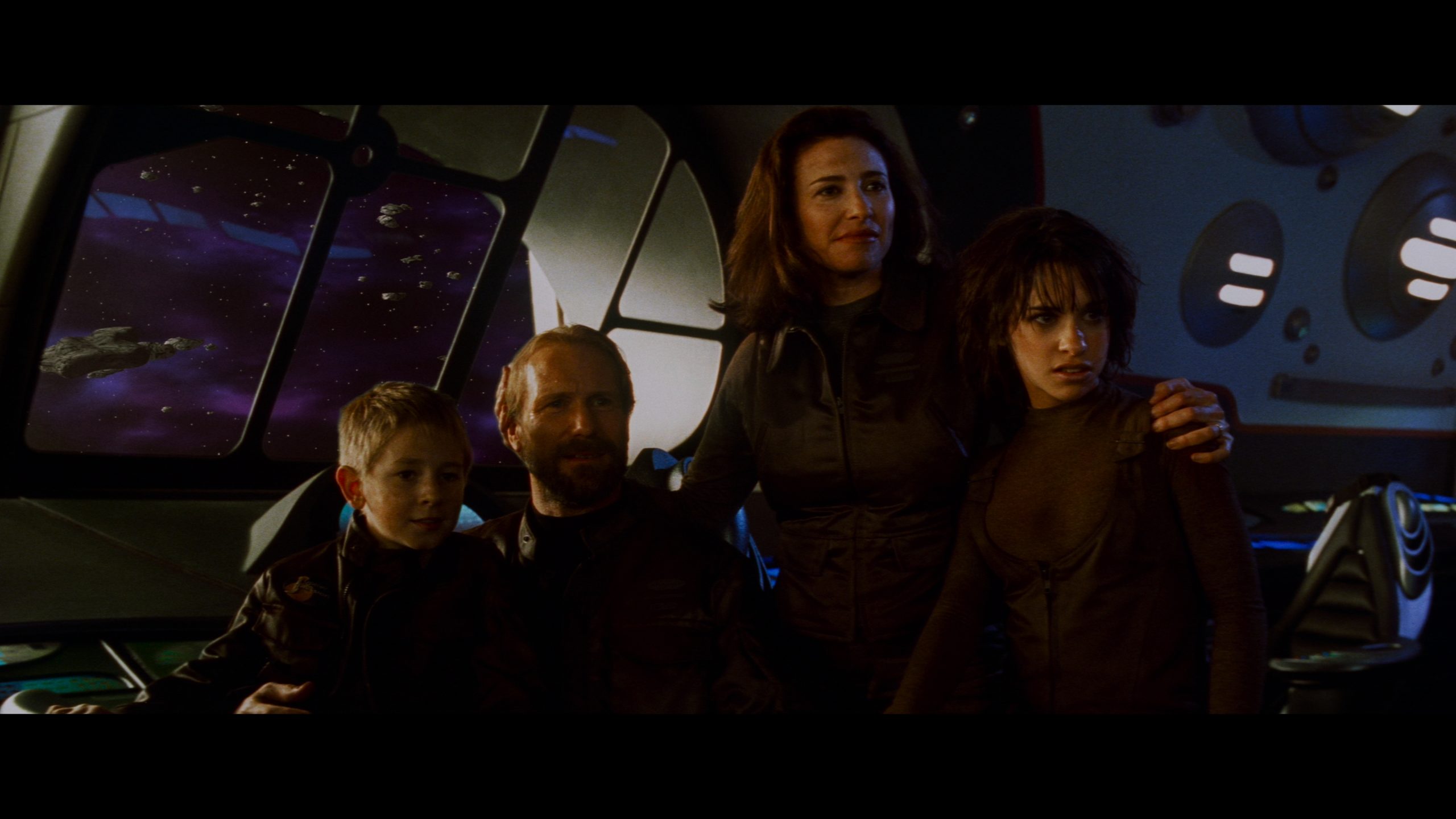
Some of those TV remakes embraced the quirkiness or campiness of the original shows. Others, like Lost in Space, never decided which way to go. The result became William Hurt, playing the patriarch of the Robinson family, dealing with the emotions that come from not spending enough time with his son, but also looking dead into the camera while speaking lines like, “There’s a lot of space to get lost in,” without any self awareness or irony.
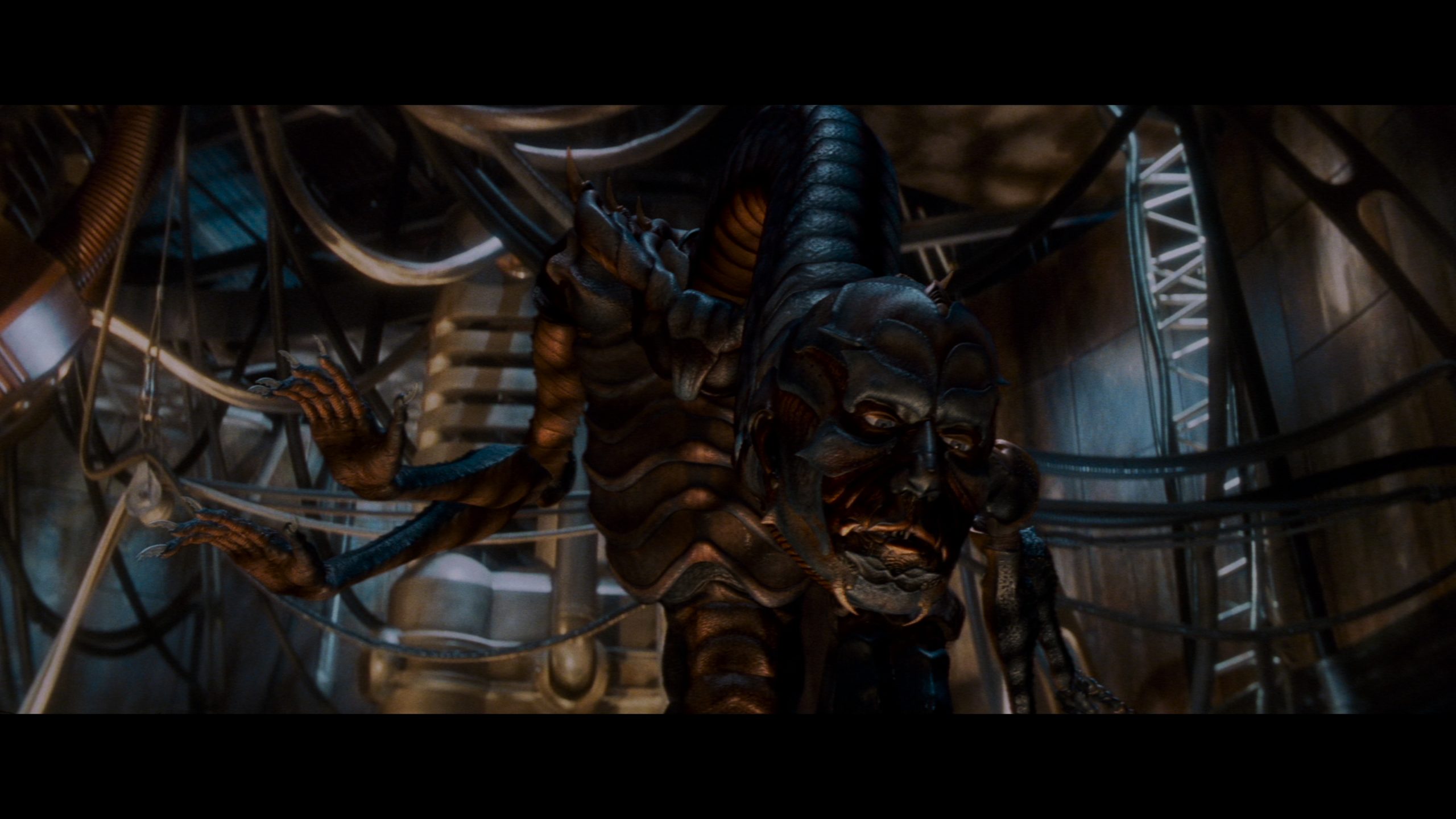
Lost in Space represents a lot of what went wrong with these TV do-overs, namely a belief that (then) new digital effects would give these under-budget network shows greater reality. In truth, it was the opposite. Hardly any of Lost in Space’s digital effects look convincing. Terrible as the final monster/creature/villain reveal is, it’s shocking the internet audience doesn’t couple Lost in Space with the infamous Dwayne Johnson in Mummy Returns as some of the most unconvincing effects of the era.
What’s missed in the logic of just merely updating things and paying homage is the cultural connection. Upon Lost in Space’s TV debut in the mid-’60s, the space race was magic. Captivating, inspiring. Seeing a space-based future dance across airwaves amid this excitement, on a (maybe) 20-inch screen, was revelatory.
The intervening years brought space travel and space stations to reality, while Star Wars altered the perception of satisfying big screen exploration. Lost in Space feels trapped, desperately clinging to contemporary genre conventions and expectations, while fleeing from a past that cannot possibly excite people the way it used to. While the Addams Family celebrated being different or yourself and the Flintstones captured timeless middle class drudgery, Lost in Space was chasing the irrelevant past. In 1998, it could never work like it once did.
VideoVideo 4/5
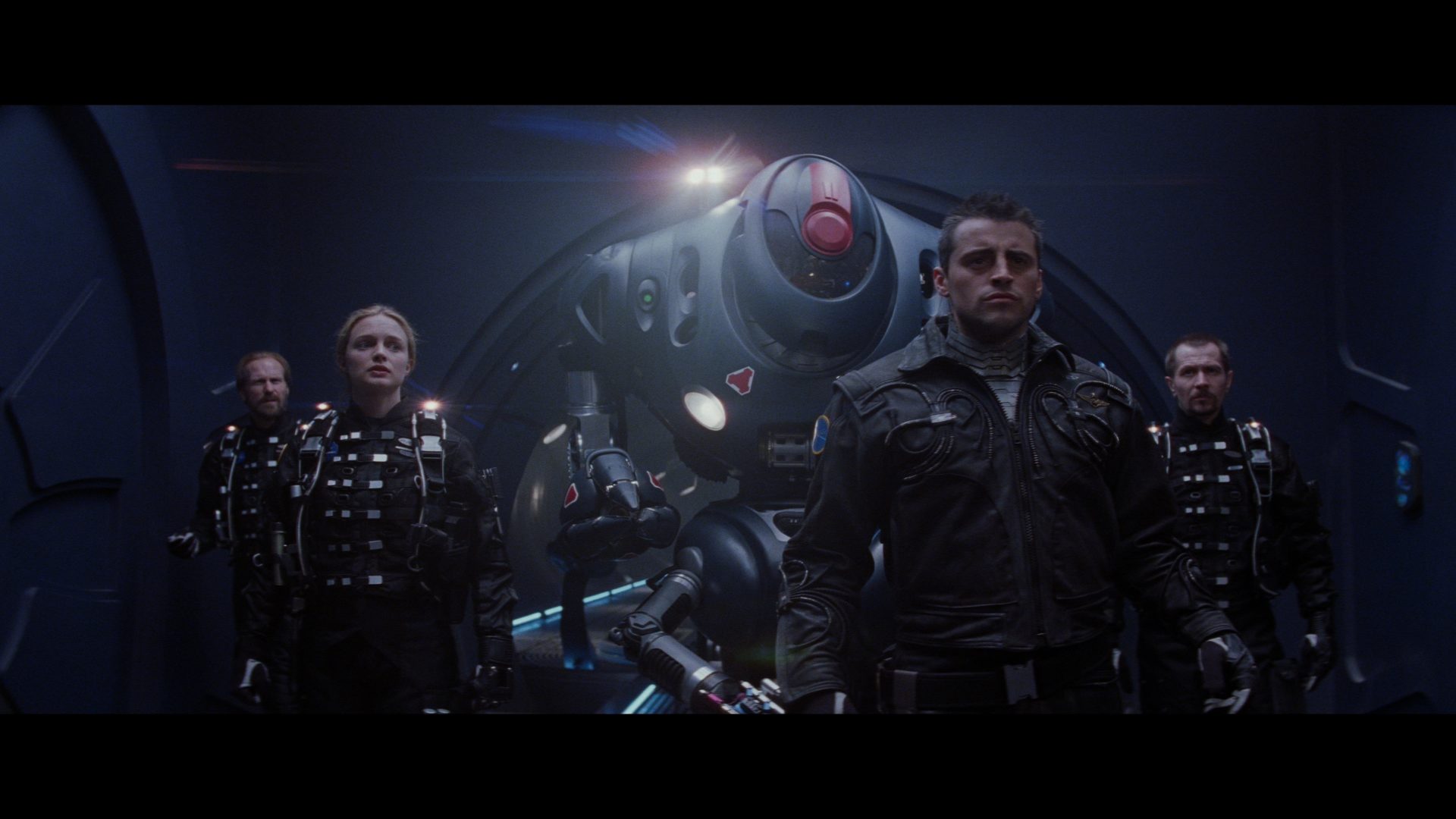
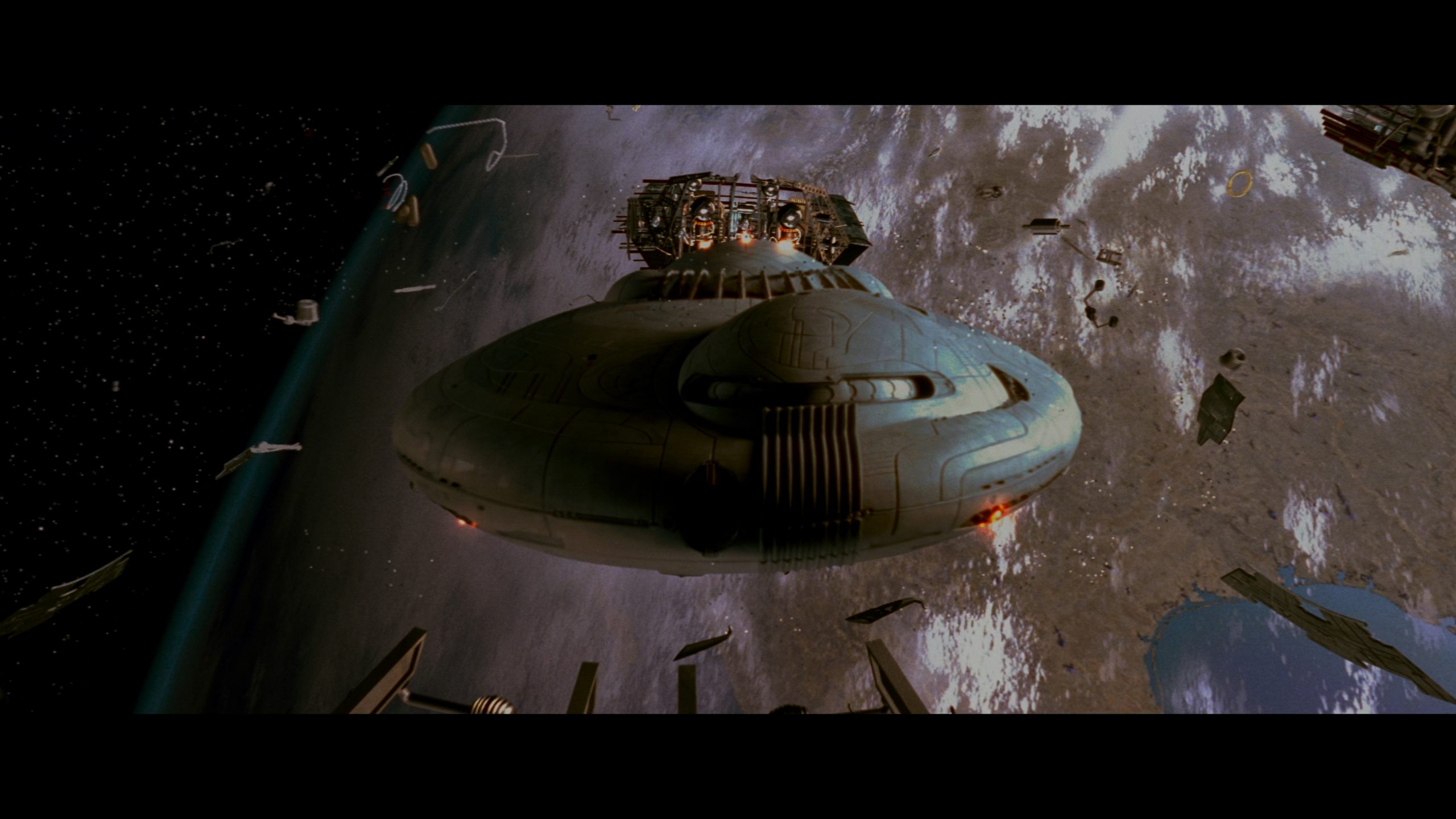
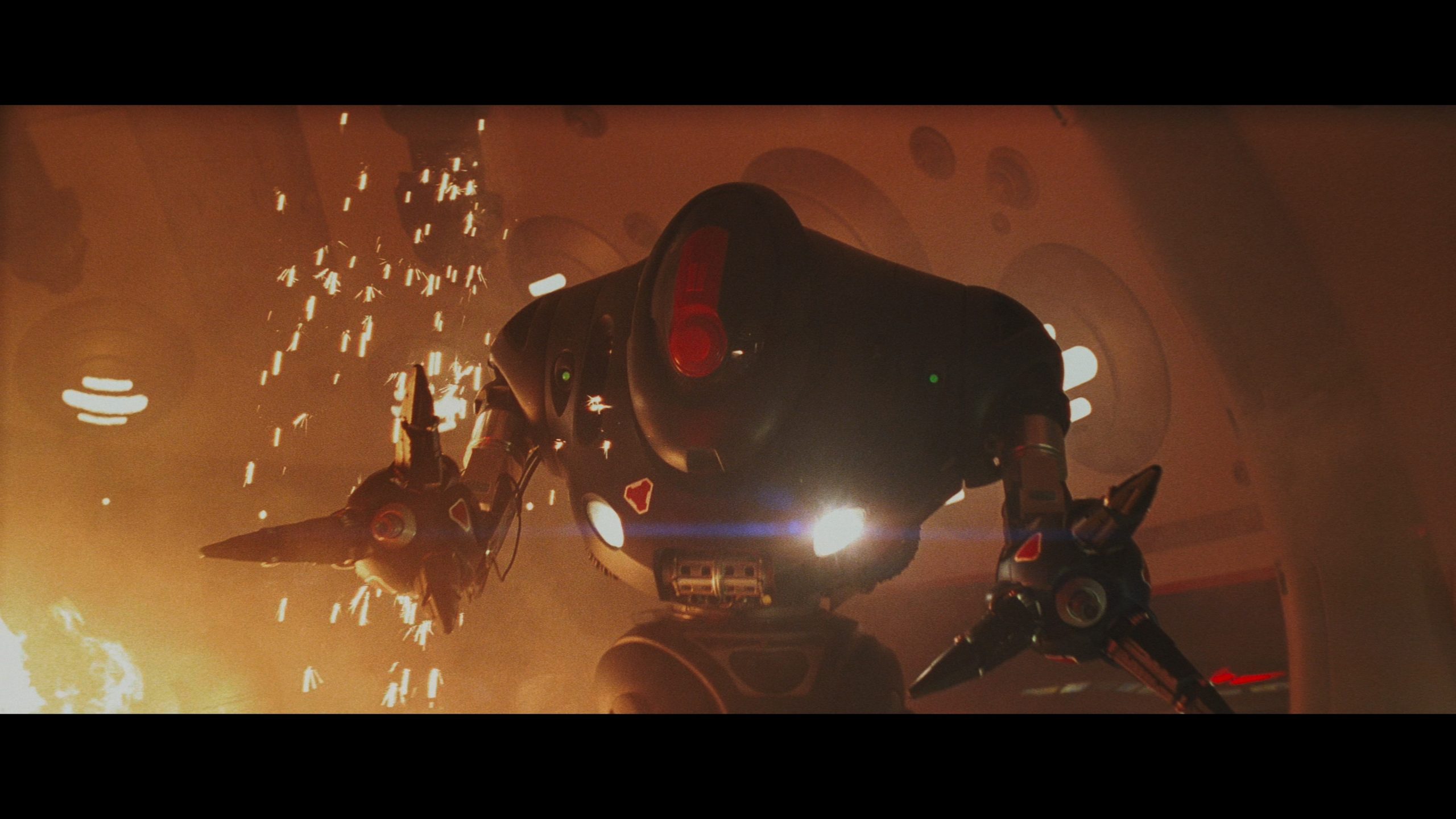
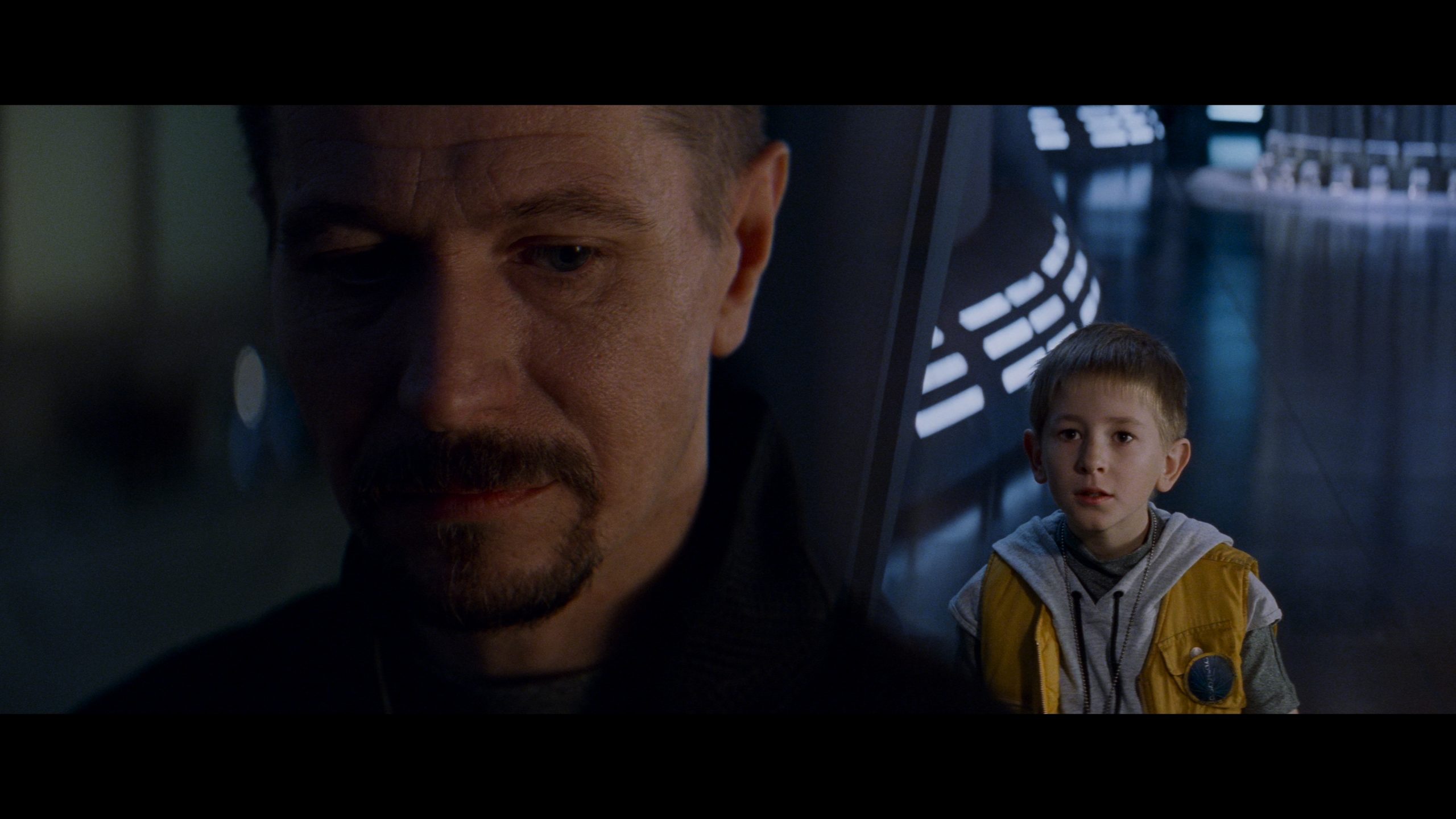
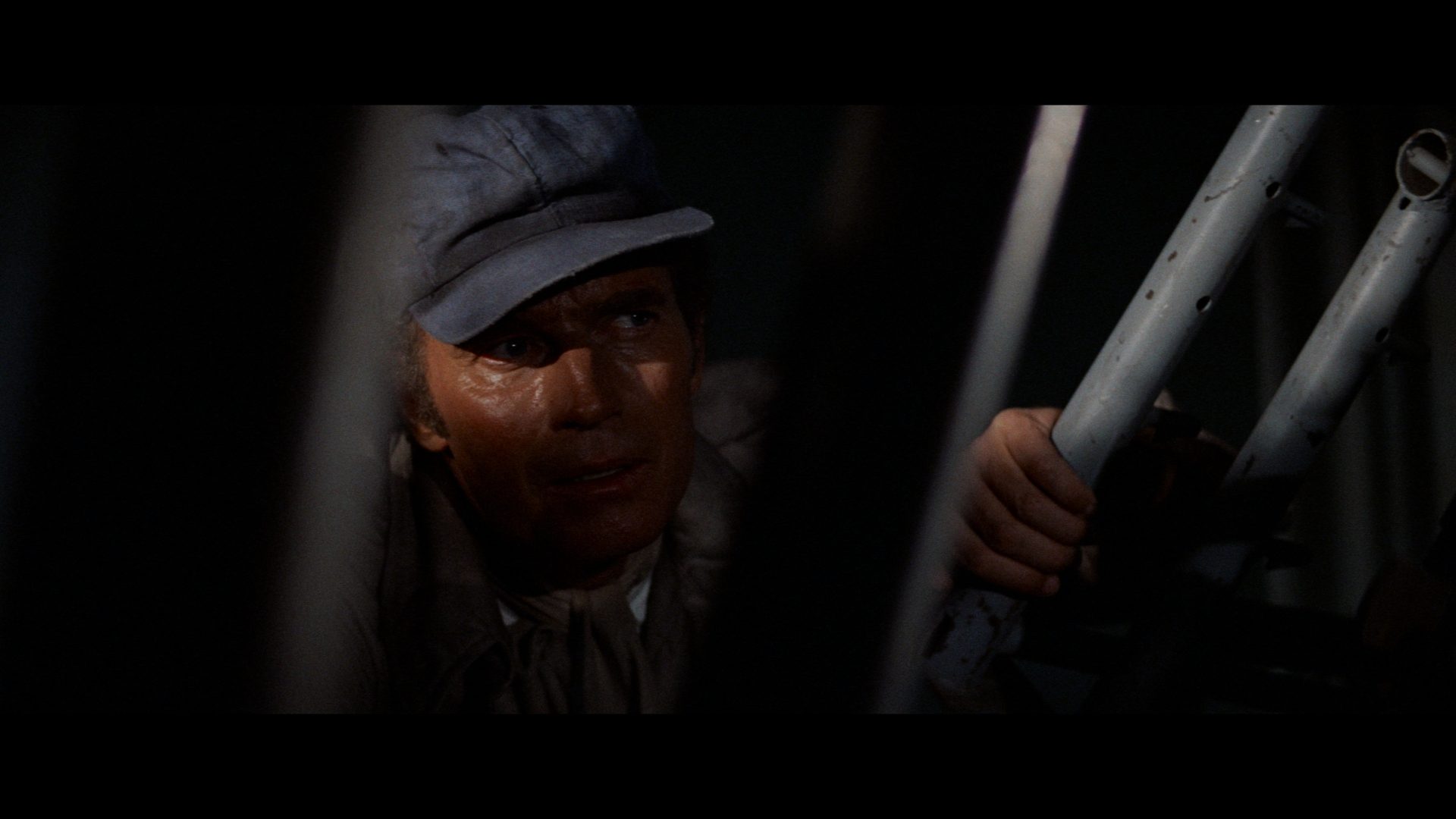
Arrow issues a rich Dolby Vision remaster for Lost in Space’s 4K debut. It’s sharp, with light grain and excellent overall definition. Close-ups draw out texture, skin defined flawlessly. It’s consistent too. The late ’90s CG appears at a lower resolution, introducing aliasing in places, but only at the source. This new scan has the resolution to handle everything else.
There’s a richness to the color Lost in Space never had before. Flesh tones glow, set design is boldly saturated, and an additional kick from the Dolby Vision makes things better still. Black levels crush often, enough to consider it’s the cinematography and a means to hide some digital touches. Few shadows let detail escape. Contrast remains generally neutral, a handful of vibrant lights and explosions aside (sunlight when the ship’s docking port first opens looks incredible).
AudioAudio 5/5
There’s tremendous power in this DTS-HD track. Ship engines, missiles, explosions, and more erupt in the low-end; results are spectacular. Bass remains tight and rumbling as this remaster shows off its range.
A 5.1 mix, Lost in Space feels wider, with flawless positioning and near constant ambiance. Action scenes spread sparks, lasers, and even voices bouncing between channels. Between the ship’s interior making various sounds (creaking, steam, beeping displays, etc.) and the score, this DTS-HD track keeps giving for the full runtime.
ExtrasExtras 4/5
Two older commentaries lead the way. It’s director Stephen Hopkins joins producer/screenwriter Akiva Goldsman on the first. The second is loaded with visual effects supervisors Angus Bickerton and Lauren Ritchie, director of photography Peter Levy, editor Ray Lovejoy, and producer Carla Fry. New interview segments include Stephen Hopkins, Peter Levy, Akiva Goldsman, supervising art director Keith Pain, mould shop supervisor Kenny Wilson, with sound mixer Simon Kaye joined by re-recording mixer Robin O’Donohue.
Critic Matt Donato pens a video essay on Lost in Space, the final new bonus. The rest is archival, including featurettes on the effects, the TV series, deleted scenes, and outtakes.
Full disclosure: This Blu-ray was provided to us for review. This has not affected the editorial process. For information on how we handle review material, please visit our about us page to learn more.
Movie
Hollywood’s TV remake era began its rapid descent thanks to the likes of Lost in Space. Time hasn’t changed anything.
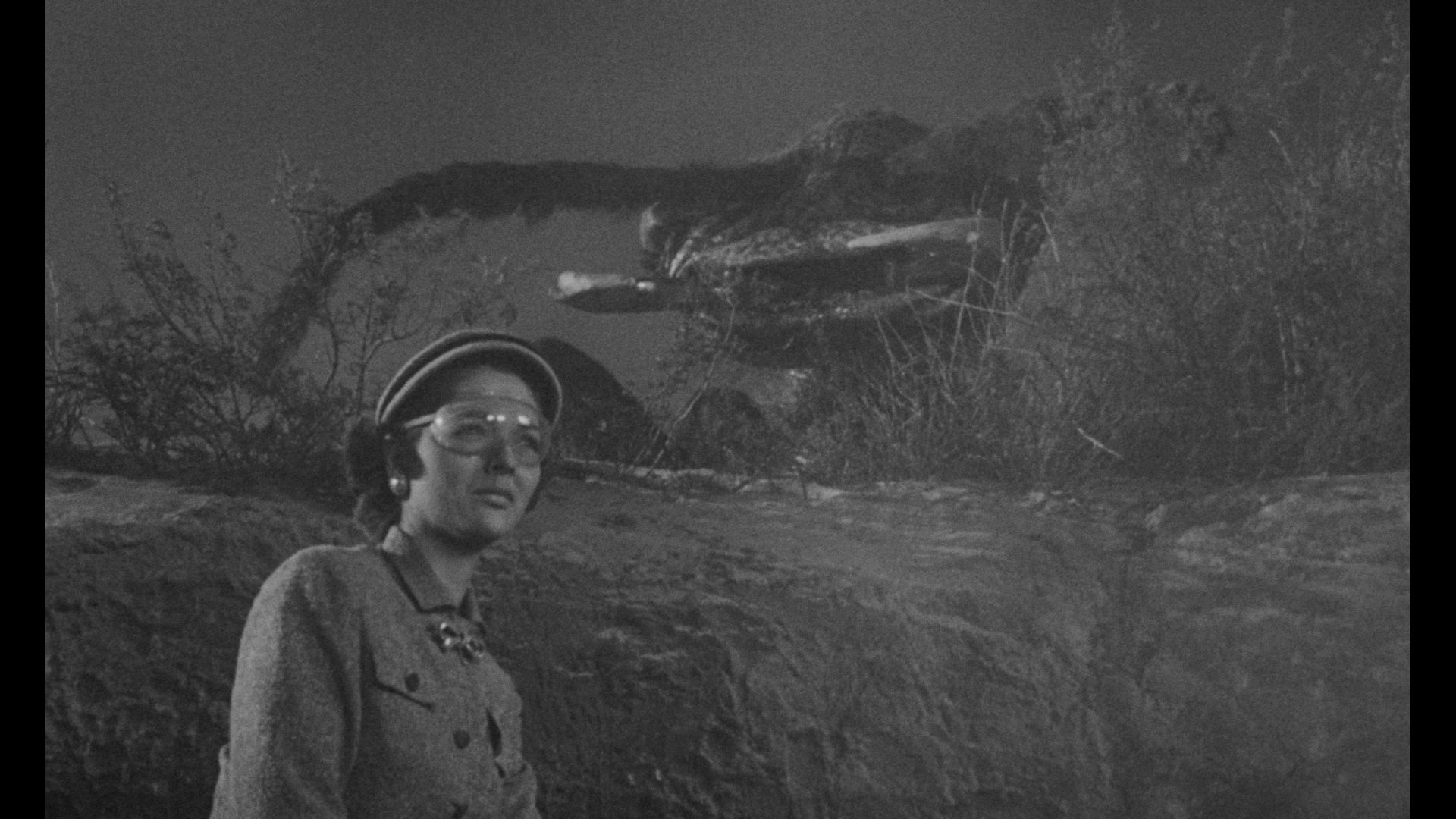
The following six screen shots serve as samples for our subscription-exclusive set of 51 full resolution uncompressed 4K screen shots grabbed directly from the UHD:





Leave a Reply
You must be logged in to post a comment.