Stray Dog (1949) 4K UHD Review


Boiling HeatMovie 4/5
Rain signals relief in Stray Dogs, a momentary escape from an oppressive summer heat that bakes the characters throughout this story of a rookie cop chasing down his stolen gun. What rain cannot wash away is the moral plight of a police officer in a rebuilding-yet-still-emaciated post-war Japan.
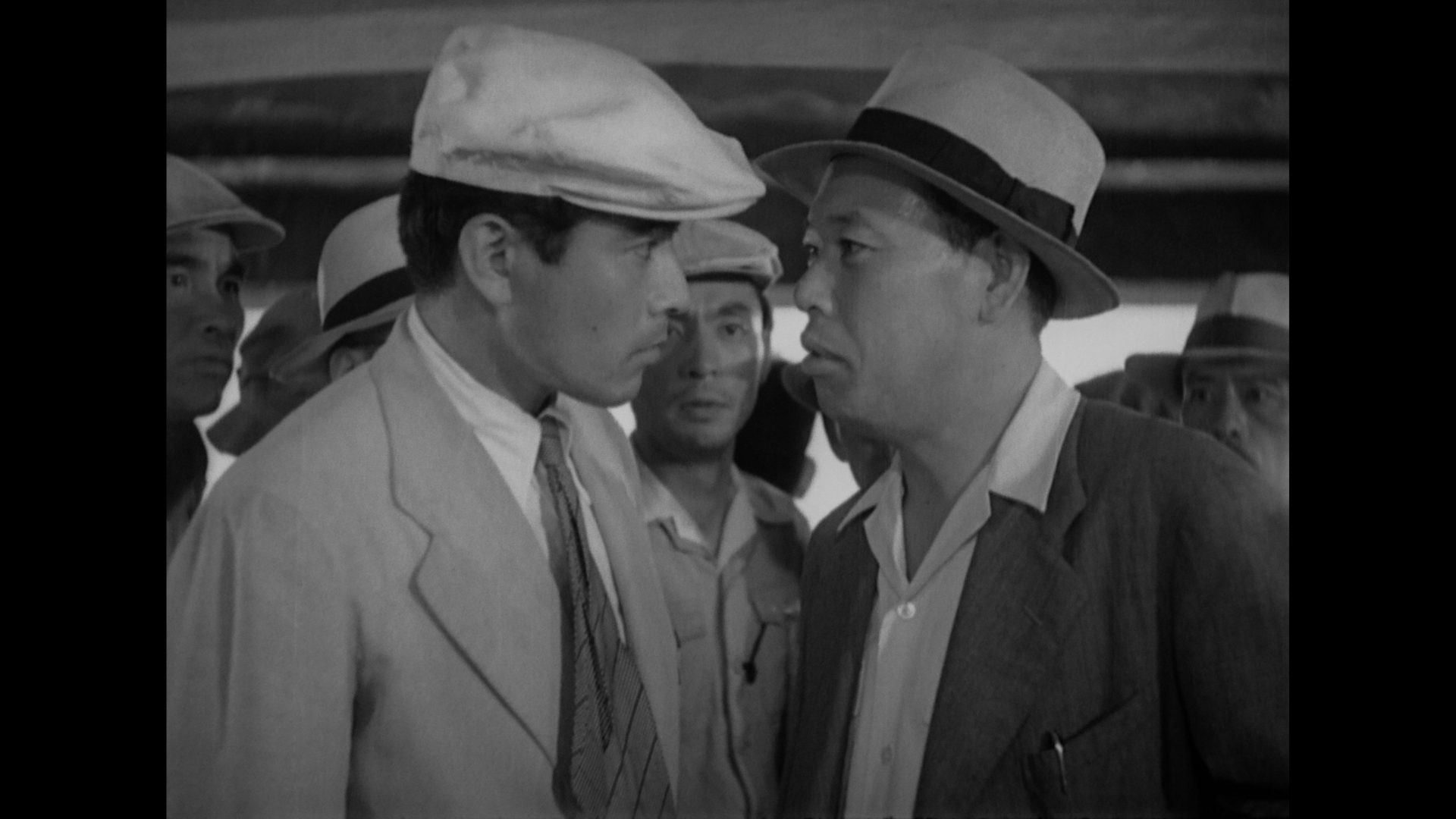
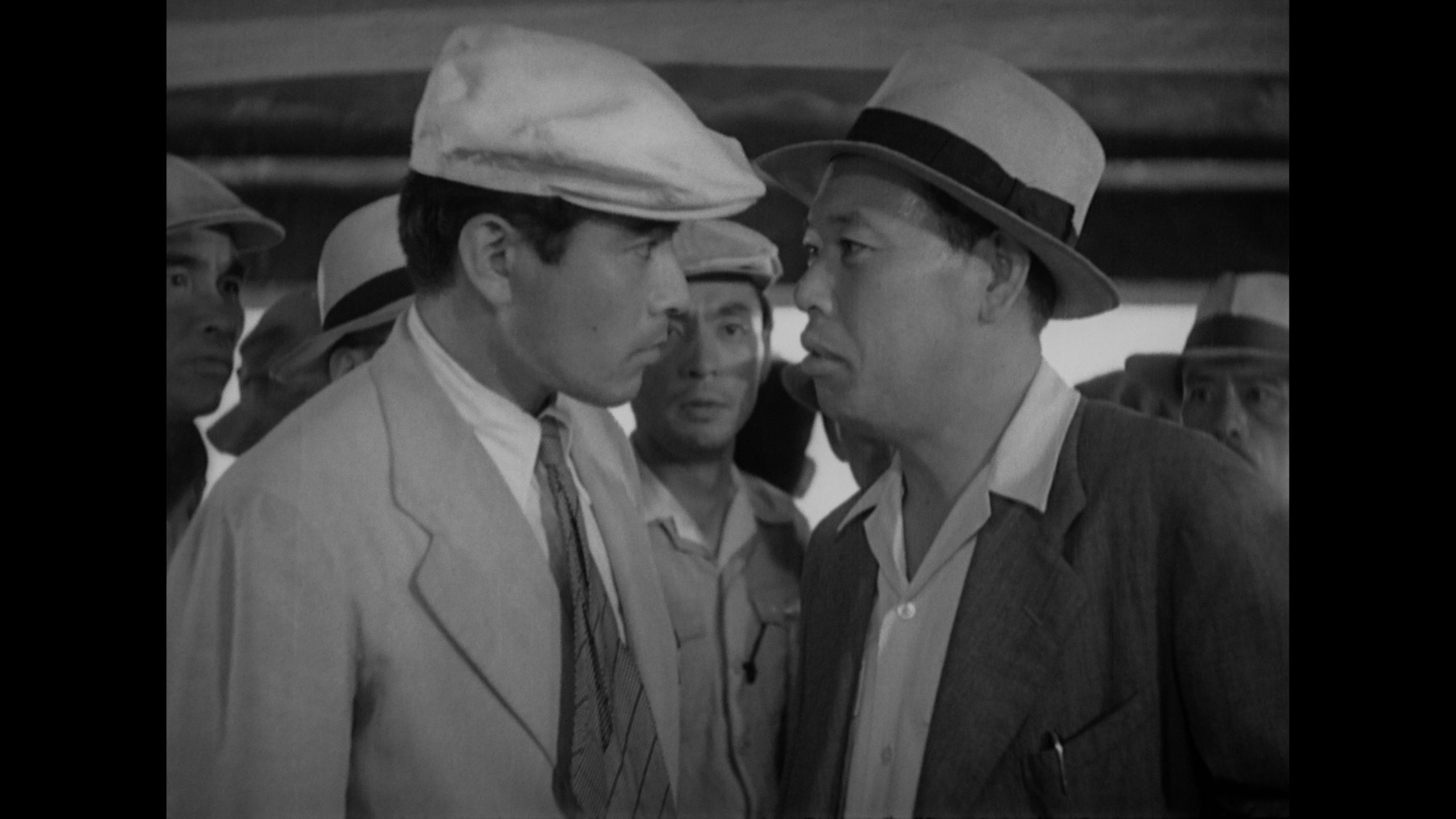
Considered the first buddy cop movie, that seems a stretch, although not without accuracy. Casting those roles with Tohiro Mifune and Takashi Shimura, among the nation’s most qualified stars, elevates this piece. The two clash, but only professionally.
Their differences are generational, Murakami (Mifune) younger and not necessarily naive so much as empathetic considering his own military service. For some eight minutes, Murakami wanders the streets looking for a culprit. The camera intercuts footage of dilapidated roads, poverty, and desperation. Partly, it’s meant to show Murakami’s efforts, their length, and their difficulty. In reality, it’s exposure to Japan’s post-war reality that shapes Murakami’s morals against the hardened experience of Sato (Shimura).
Stray Dogs may lumber through its conversations and interrogations, but it’s never dull
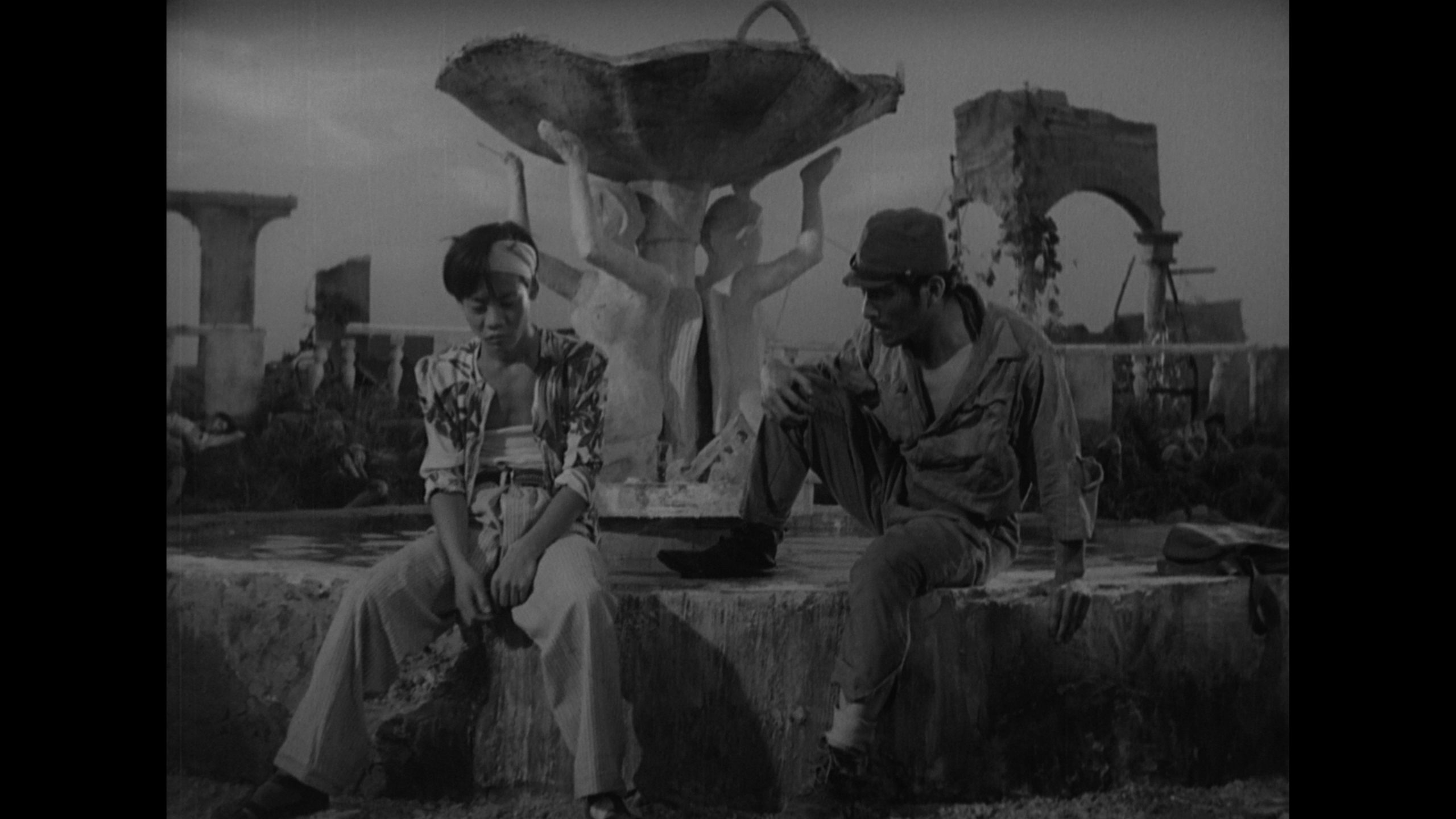
The stolen gun, used in crimes throughout the area of investigation, becomes an emblem of power for someone who has none. Murakami chases an undeniable criminal, but after an arrest, the two lay out of breath post-chase in a field of flowers as school children casually pass in the distance. The thief screams. There’s a sense Murakami understands, even after his partner became a victim, because he’s seen what people have endured. The kids in the background represent an innocence the country lost during the war, an era of freedom lost. The anguish is the realization of what once belonged to both men – innocence. Neither lost theirs by choice.
Murakami carries with him a sense of guilt that he’s a detective. He’s fortunate. While he doesn’t live lavishly and everyone suffers under the same engulfing heat as equals, Murakami’s aware of the comfort and privileges his employment offered him compared to those bunched together in the streets, clamoring for a meal. The gun gives Stray Dogs onus to push its stars through the story, but that story is more about inequality and desperation, with the law entangled between enforcement and empathy.
Dazzlingly photographed, Stray Dogs may lumber through its conversations and interrogations, but it’s never dull. Everyone wants to escape the heat, and the constant weight of the temperature means no one is comfortable. From its opening chase, Stray Dog feels panicked, Murakami rushing for a solution before others are hurt by what society (and himself) see as a personal failure. The grizzled Sato by comparison is tame and patient, oblivious to the suffering, or possibly numb to it, the pairing’s source of disagreement. If only future buddy cop movies were so careful in constructing their characters.
VideoVideo 3/5
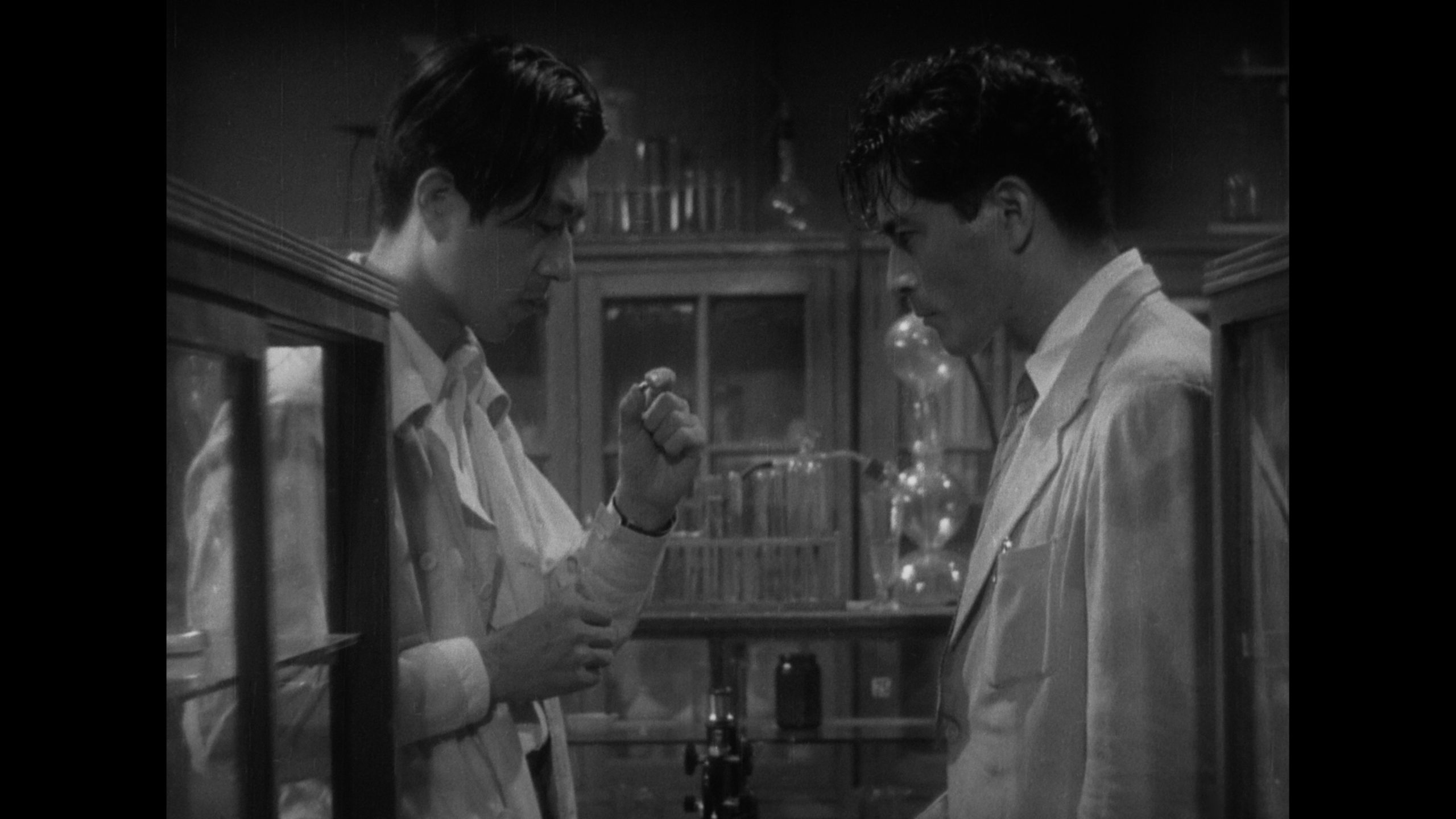
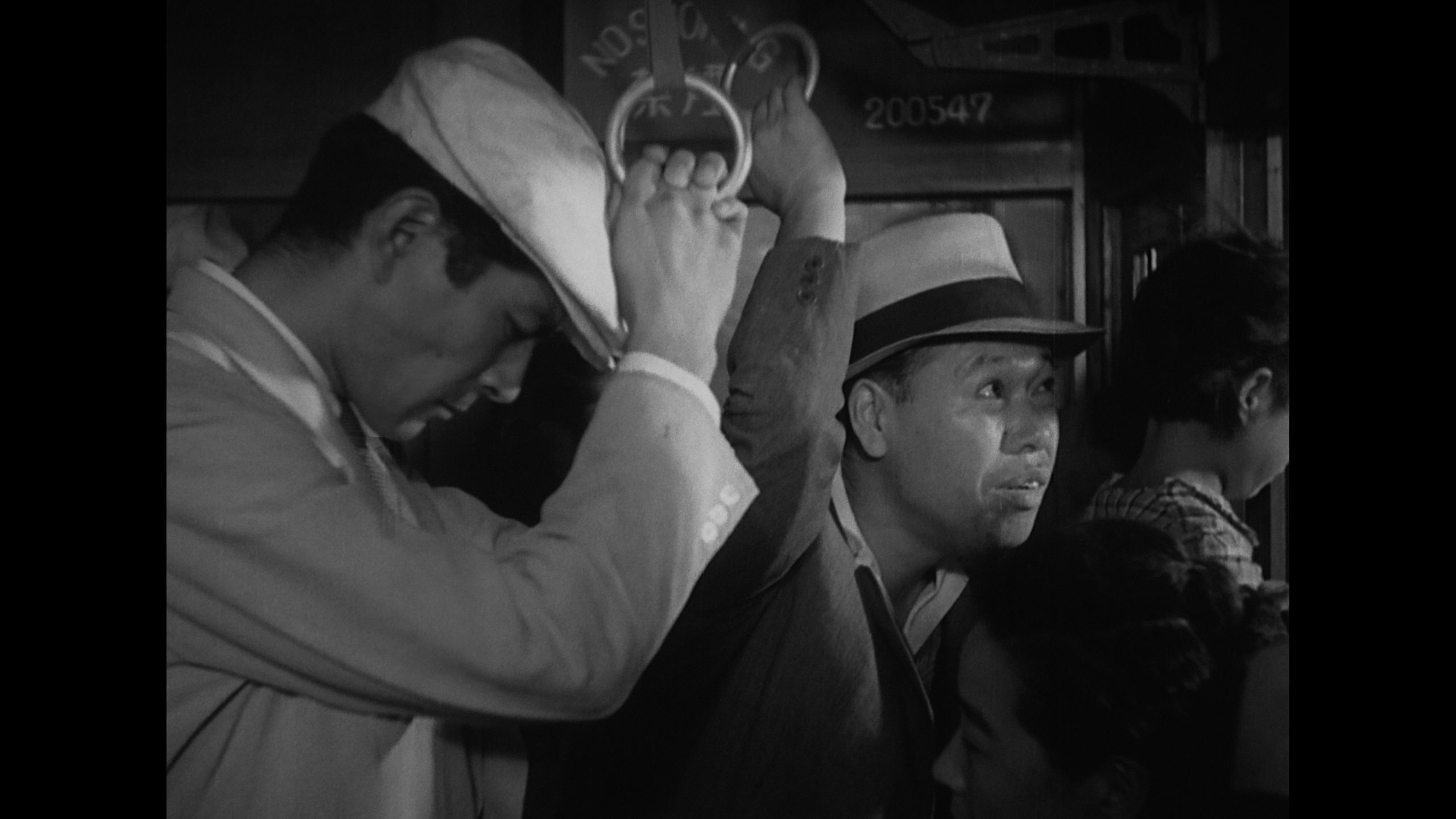
A battered, multi-generational print is Criterion’s source, as well as anyone else’s as the negative is gone. Criterion does well though, mitigating the damage as best possible. Vertical scratches are frequent, but never oppressive. Grain is managed, resolved well, and consistent.
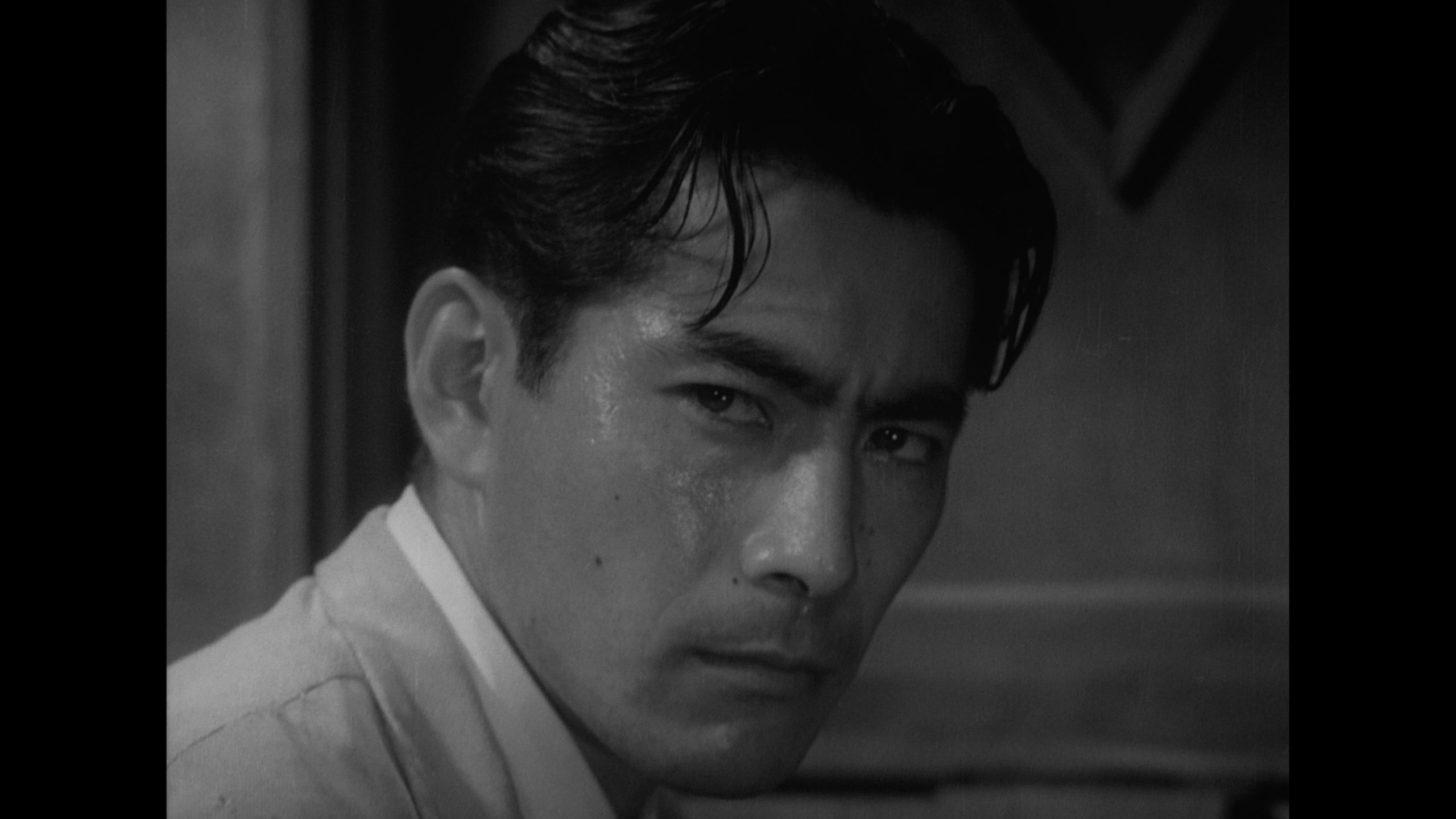
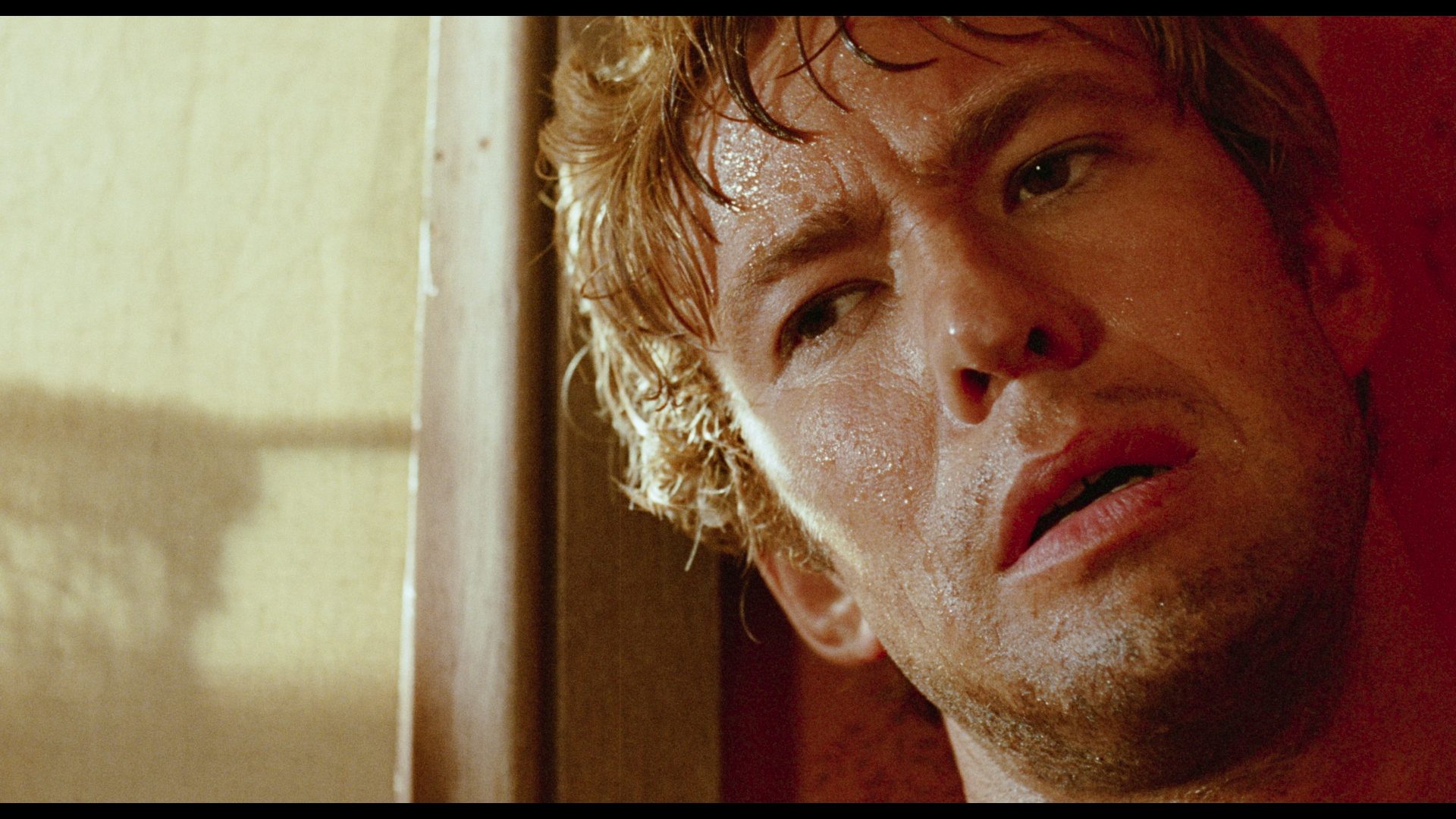
Stray Dog is not an example of precision sharpness, and arguably, it’s making few gains in the jump to 4K due to the source. There’s detail given the sweltering heat and sweaty faces, albeit limited. It’s mundane, lacking firmness through the generations of film that led to this master. There’s little question this is a best case scenario, yet there’s little sign this is worth the jump if anyone owns a previous Blu-ray.
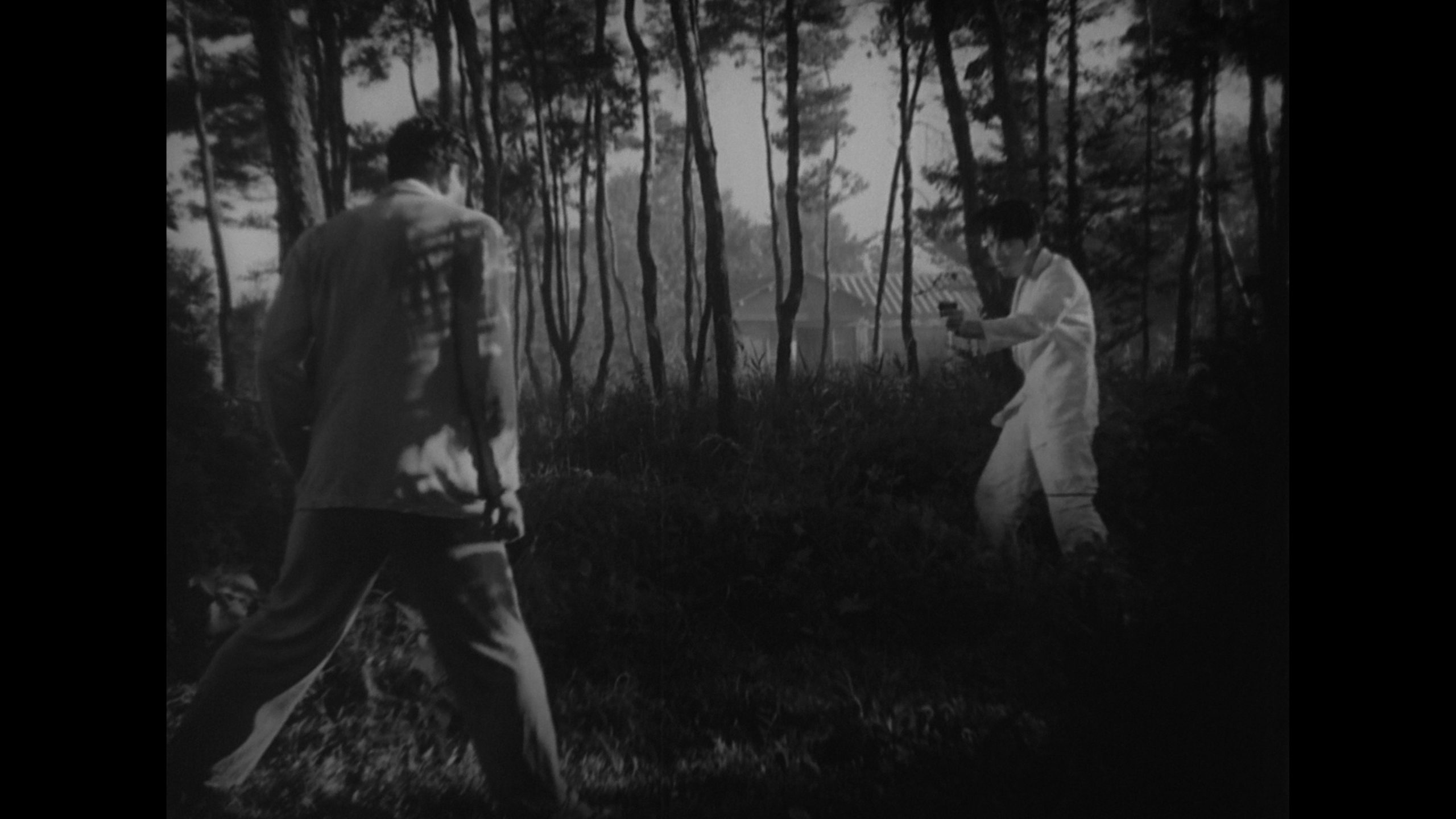
There is no HDR applied. Contrast is muted, never achieving full white, dulled to a bright gray. Mid-tones appear fine, and shadows are decent in their density, if unremarkable.
AudioAudio 3/5
Mono PCM produces a worn source, scratchy and thin as expected for a 1949 film, with occasional dropouts. The score nears collapse as it hits its peaks, but remains audible. A short conversation around 39:30 sounds as if played from a worn wax cylinder, then seconds later, the audio sounds as if new. So it goes. Stray Dog’s audio doesn’t present with any hiss or popping as it’s otherwise well restored.
ExtrasExtras 3/5
Author Stephen Prince handles the commentary for Criterion, and a snippet from the series Akira Kurosawa: It Is Wonderful to Create about Stray Dogs is included too.
Movie
An early Kurosawa police story set during reconstruction, Stray Dog is a captivating tale of morals in a society struggling to regain its footing.



Leave a Reply
You must be logged in to post a comment.