The Angry River Blu-ray Review

Golden Harvest Announces Their ArrivalMovie 3/5
In the massive wake of Bruce Lee, the Hong Kong martial arts film underwent a violent, visceral transformation in the early 1970s. The balletic, rhythmically stilted swordplay of the 1960s was abruptly replaced by the staccato brutality of the fist and the nunchaku. The Angry River (1971) sits uneasily in this seismic shift, a cinematic fossil caught between two eras.
Released just months before The Big Boss would shatter box office records and re-calibrate the definition of screen combat, this early Golden Harvest production is a fascinating, if formally antiquated, showcase for a staggeringly young Sammo Hung as choreographer. Tasked with action direction before he had fully forged his own identity, Hung delivers work that is competent and at times compelling, but by standards that would be set merely a year later, almost a quaint relic. 88 Films rescues this important historical mark in Hong Kong cinema with a stunning A/V presentation that flatters the film’s lush, studio-bound aesthetic, even if the on-screen fisticuffs remain rooted in a bygone operatic tradition.
The Angry River is a time capsule of just how quickly the genre was about to evolve
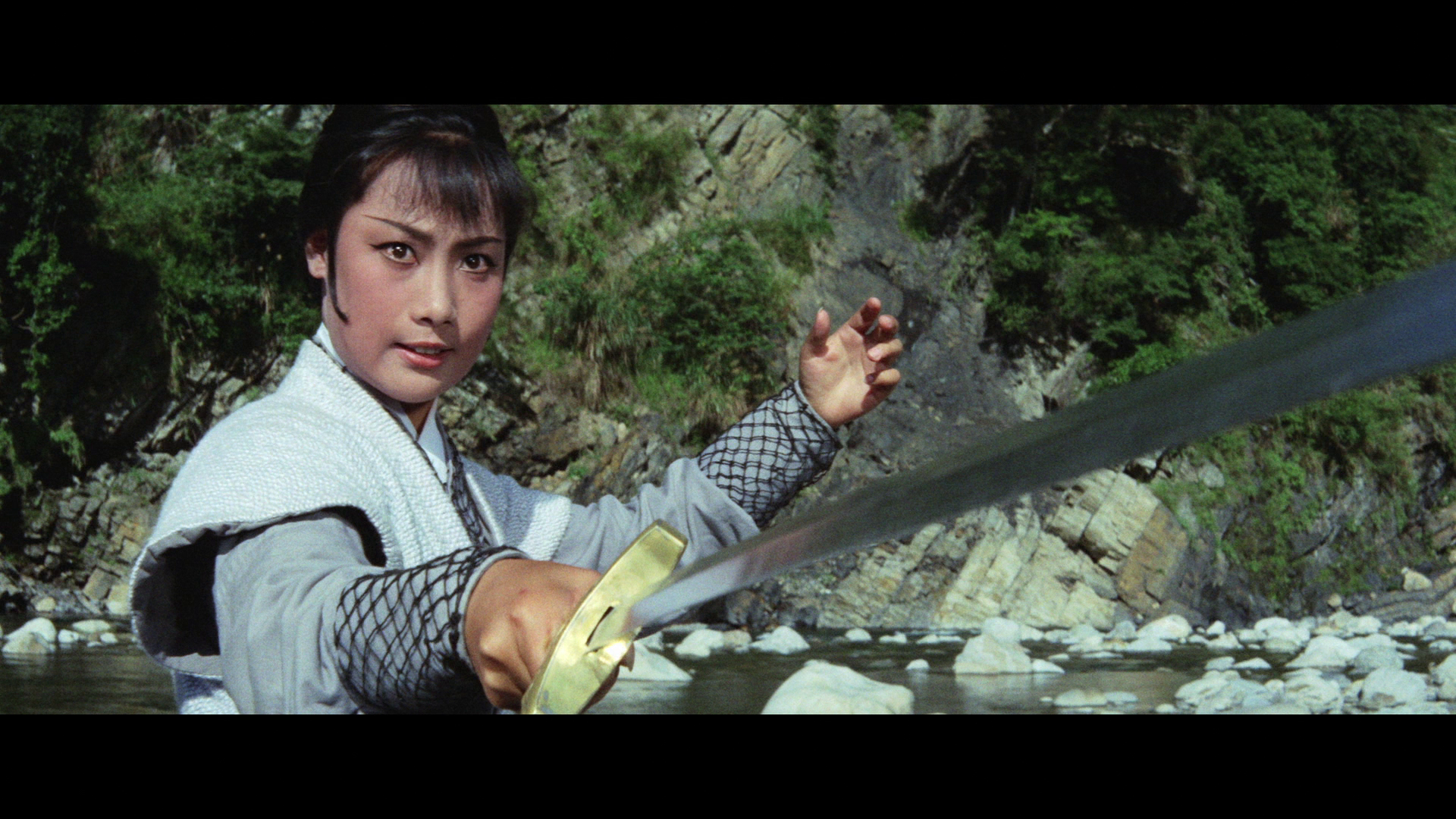
The narrative is a standard wuxia revenge potboiler, adapted from a novel by Xu Xu. A young maiden, Feng (Angela Mao), seeks to avenge her father’s death at the hands of the villainous Lord Xia (Chang Yi). Her quest leads her to a mysterious clan residing by the titular furious waterway, where deception, poison, and double-crosses are the primary currency.
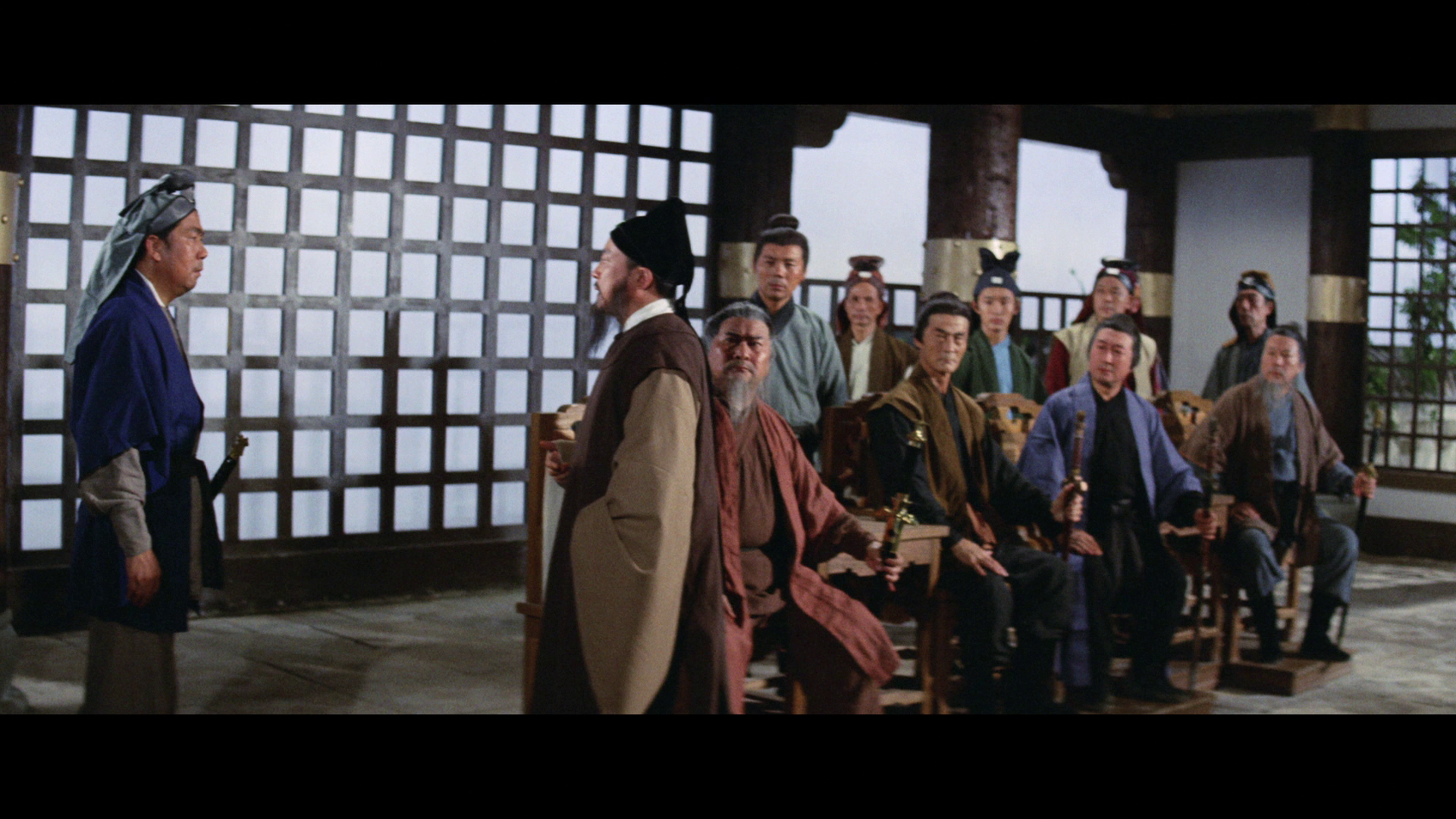
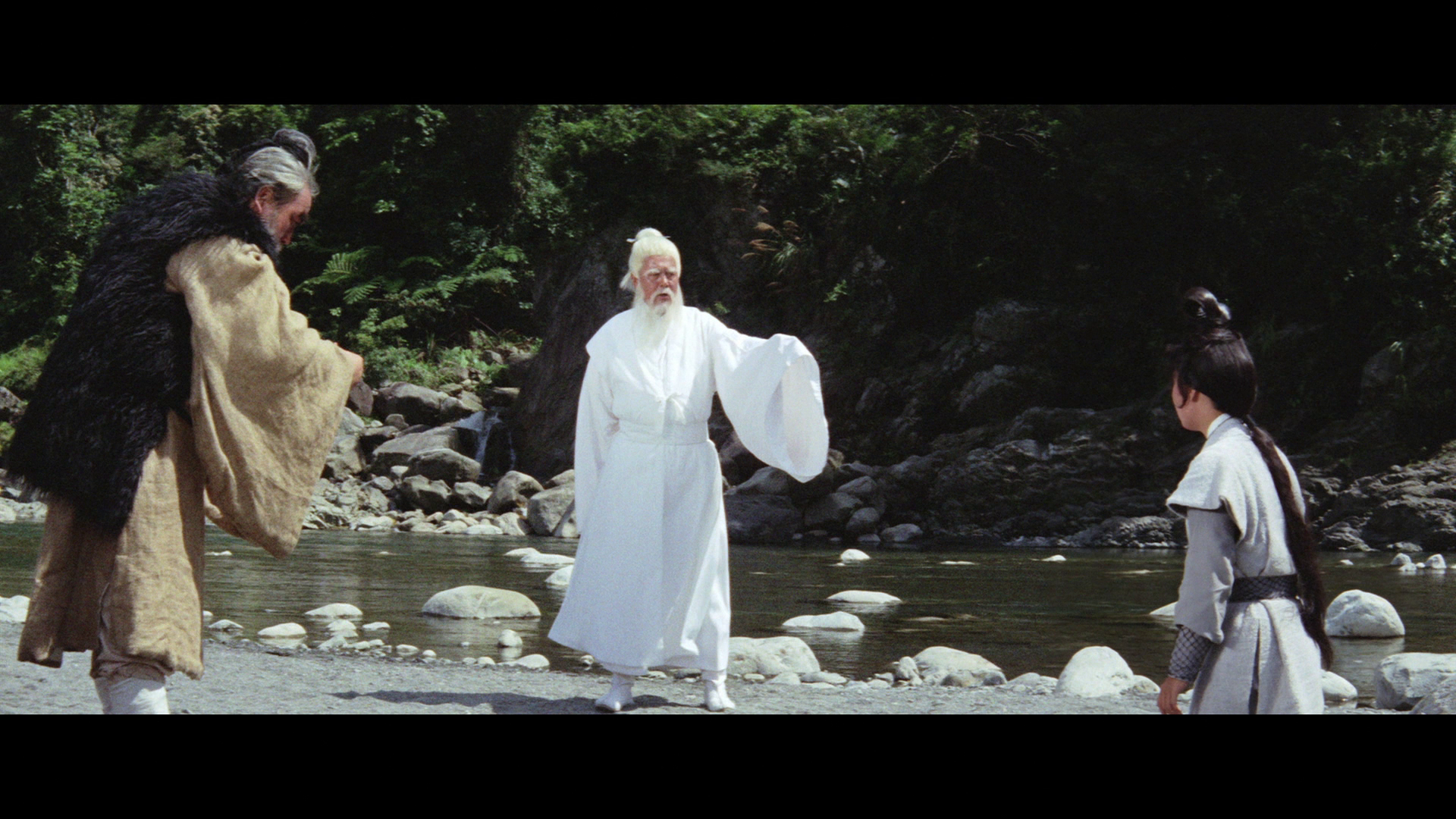
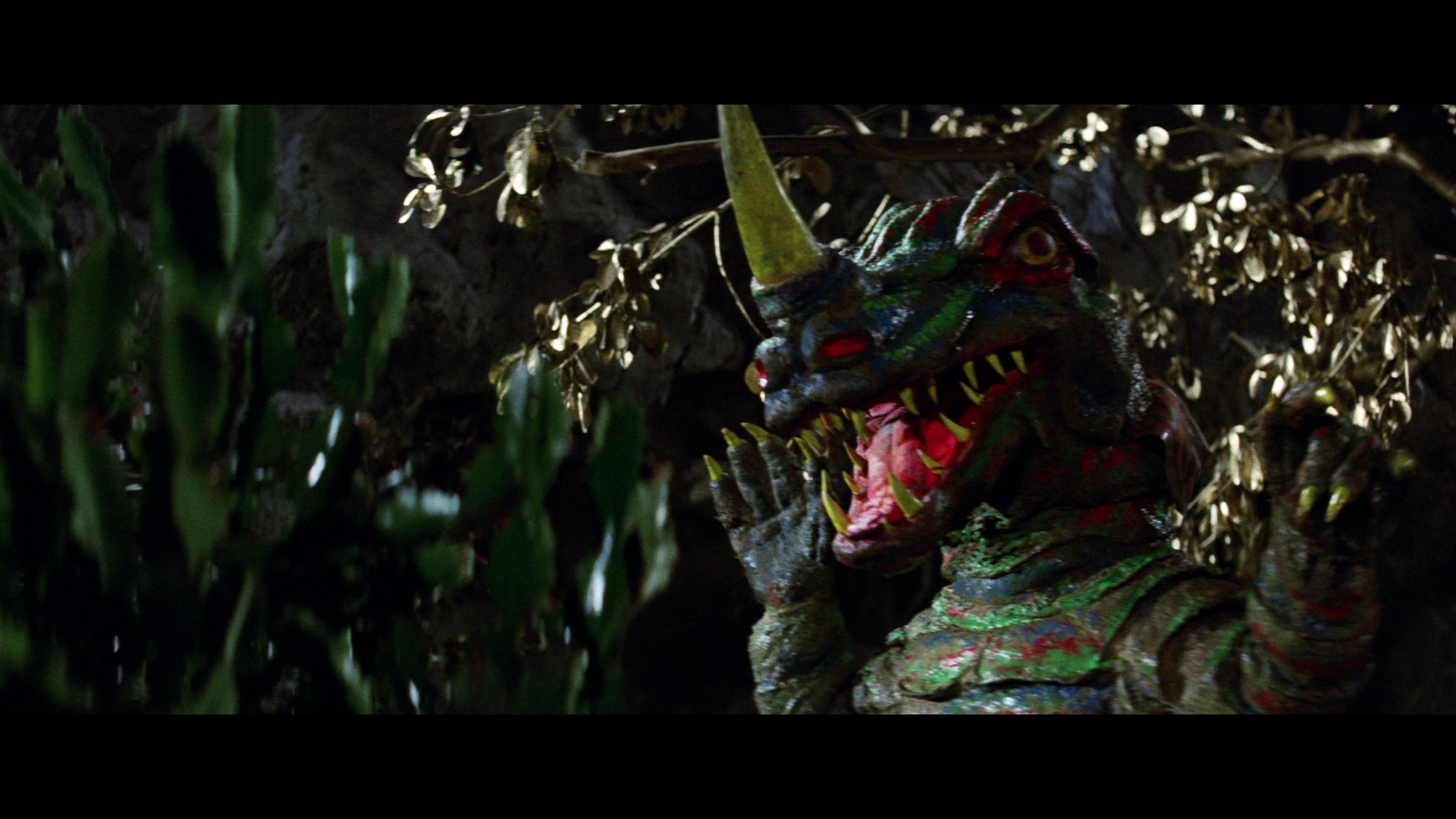
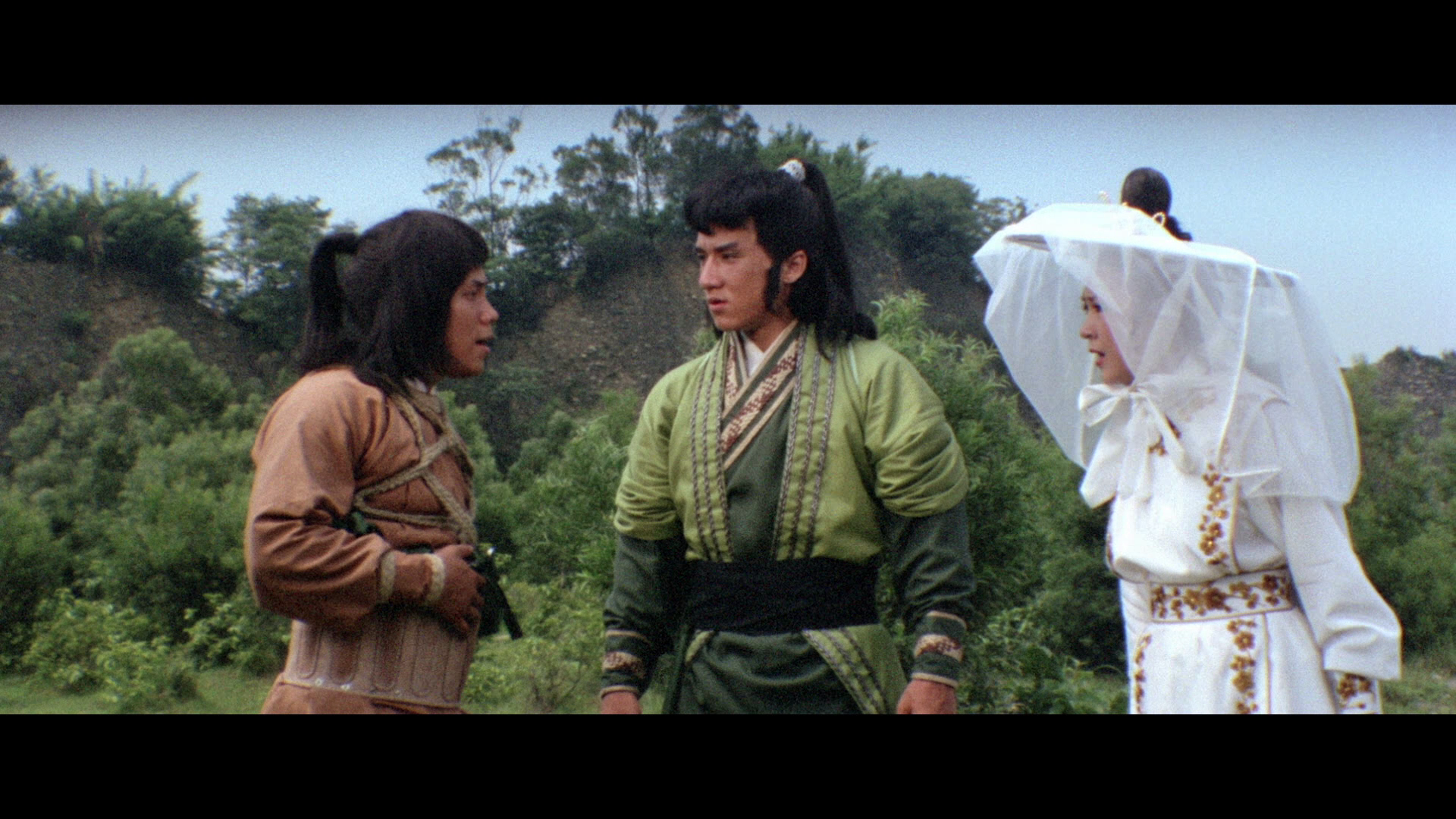
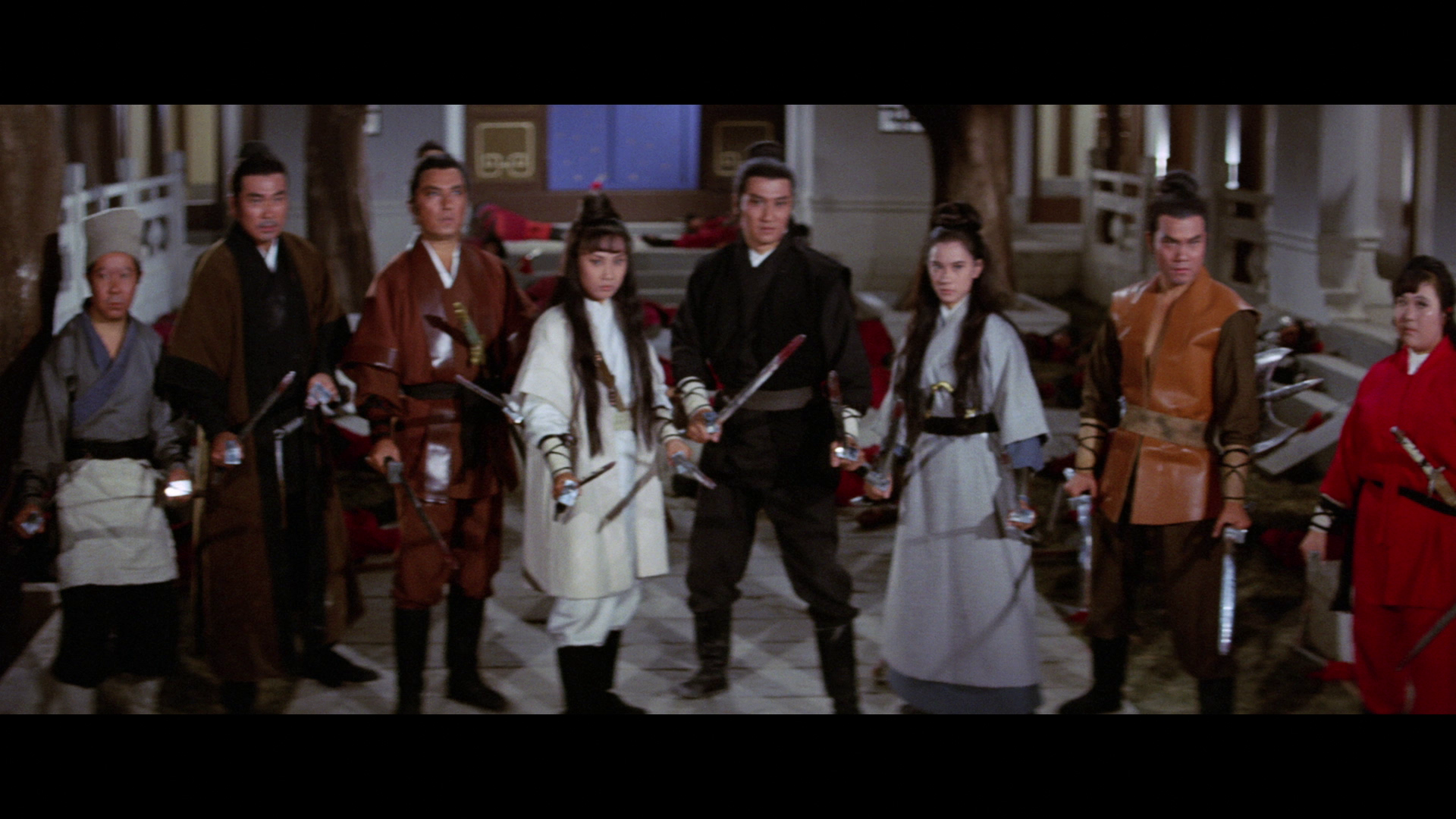
The plot is a dense thicket of disguised identities and melodramatic reveals, propelled less by character psychology than by the sheer inevitability of its tragic confrontations. Director Huang Feng (The Himalayan), a steady if unspectacular hand, keeps the pace brisk, understanding that the convoluted story is merely a delivery system for the next clash of steel. It’s a film of smoke machines and artificial studio fog, all swirling around garish, beautifully painted sets that evoke a fantastical Jianghu world. He even includes a few rubber-suited monsters for full effect. There’s a comforting, analog charm to its artifice, a quality that this Blu-ray renders with absolute precision.
Where the film inevitably invites scrutiny is in its set pieces, and here we must engage in a bit of historical relativism. A 19-year-old Sammo Hung handles the action, often doubling for the male lead and coordinating the stunt team. The influence of the Chinese opera school from which Hung, Jackie Chan, and Yuen Biao all emerged is stamped on every frame.
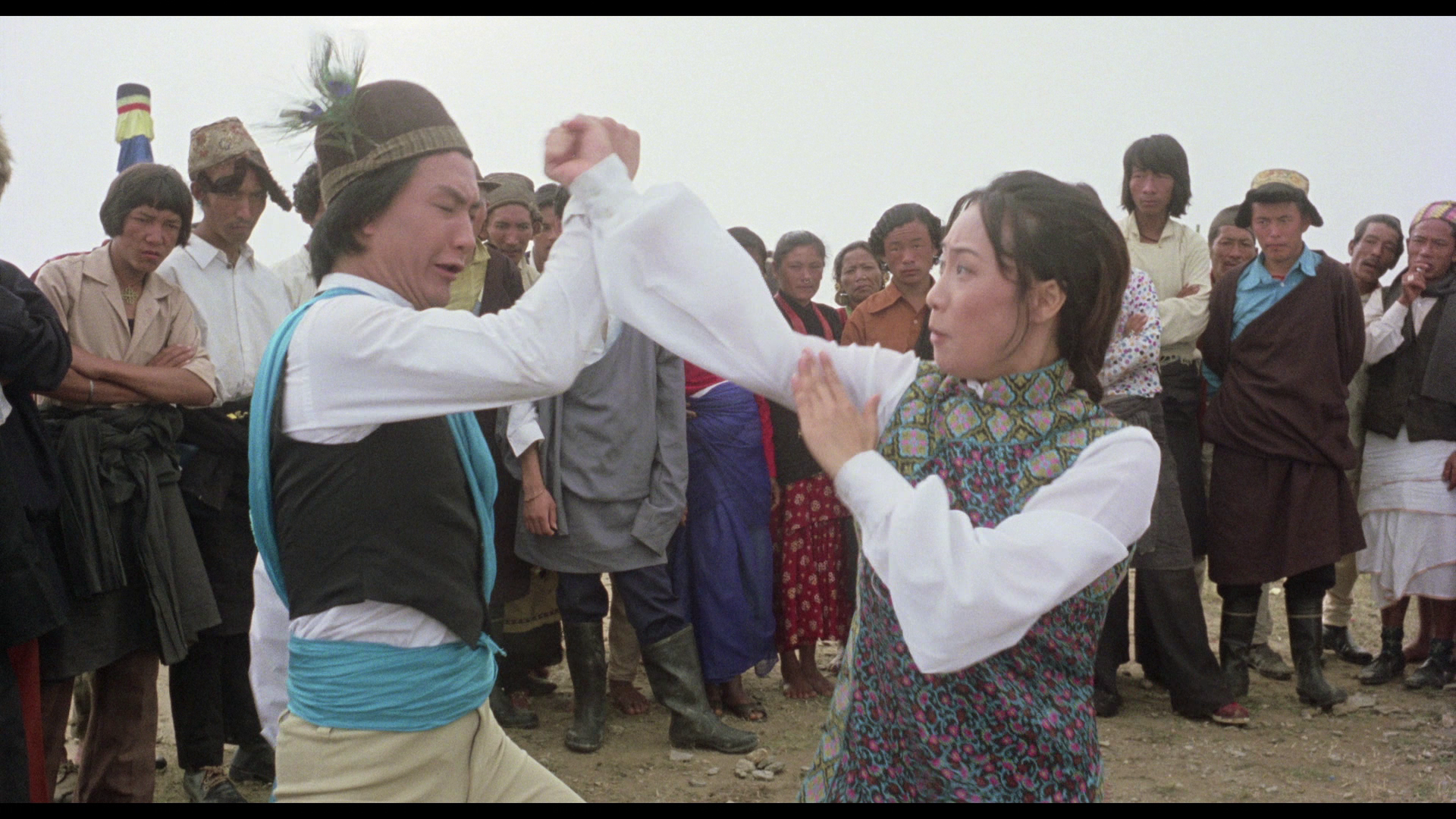
The combat is performance first, a simulation of danger second. Movements are broad and declarative, with actors snapping into rigid poses after each exchange, telegraphing strikes with a theatricality that allows the camera to catch up. The trampoline-assisted acrobatics are impressive as feats of agility, but they lack the bone-crunching physicality that Hung himself would pioneer just a few years later.
When characters leap, they float with a weightlessness that defies gravity but also dispels tension. The editing as well is a product of its pre-Lee era. It often cuts on impact to sell a blow, a technique that Bruce Lee’s raw speed would soon render obsolete in favor of longer, unbroken takes that showcased authentic power. The Angry River is a time capsule of just how quickly the genre was about to evolve. Within 12 months, audiences would see Lee decimate a dojo with palpable fury, and these elegant, patterned dances, however athletic, would suddenly feel as antiquated as a silent film gag.
There is an undeniable joy in watching Angela Mao, a supremely gifted martial artist, anchor the film with her magnetic intensity. Her sequences, particularly a duel amidst a cascade of flower petals, possess a rhythmic grace that transcends the film’s limitations. She doesn’t fight like a man as Hung’s choreography enhances her athletic style. Her fury is coiled and serpentine in battle. It’s a performance that bridges the gap between the old guard’s pantomime and the coming storm of authentic combat. One can sense Hung learning in real-time, experimenting with camera angles and prop work, even if the overall tempo still adheres to the percussive beats of a Peking opera drum.
The Angry River is essential viewing for scholars of Hong Kong action cinema, not for its mastery, but for its moment. It shows us the chrysalis from which the modern martial arts film violently emerged. Watching it now is like surveying an ornate but static diorama as the genre was about to be turned on its head. 88 Films has given this transitional work the five-star treatment, a dazzling restoration that ensures its historical textures will not be lost to time, even if its action mechanics have been thoroughly eclipsed by the revolution that followed.
VideoVideo 5/5
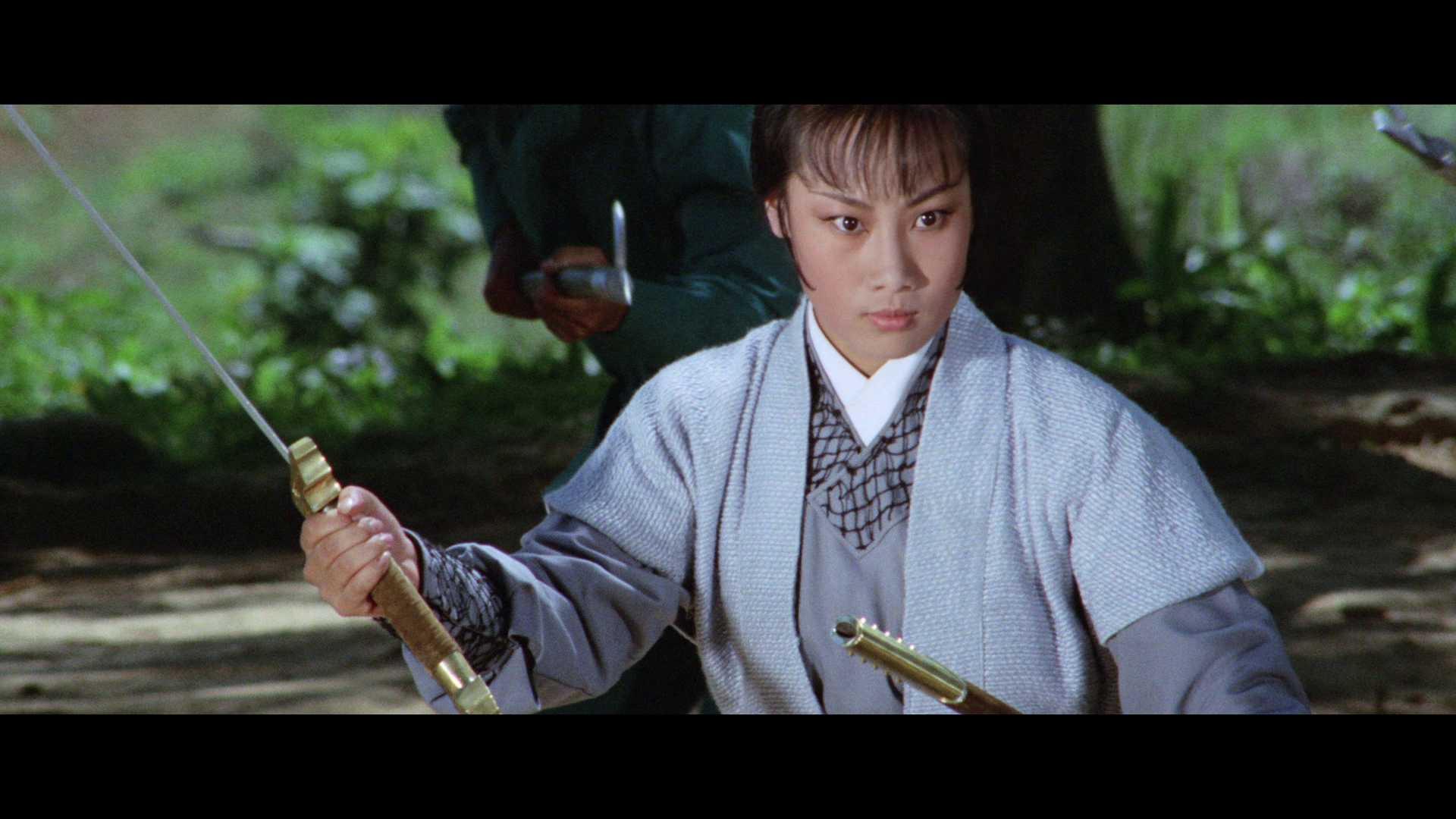
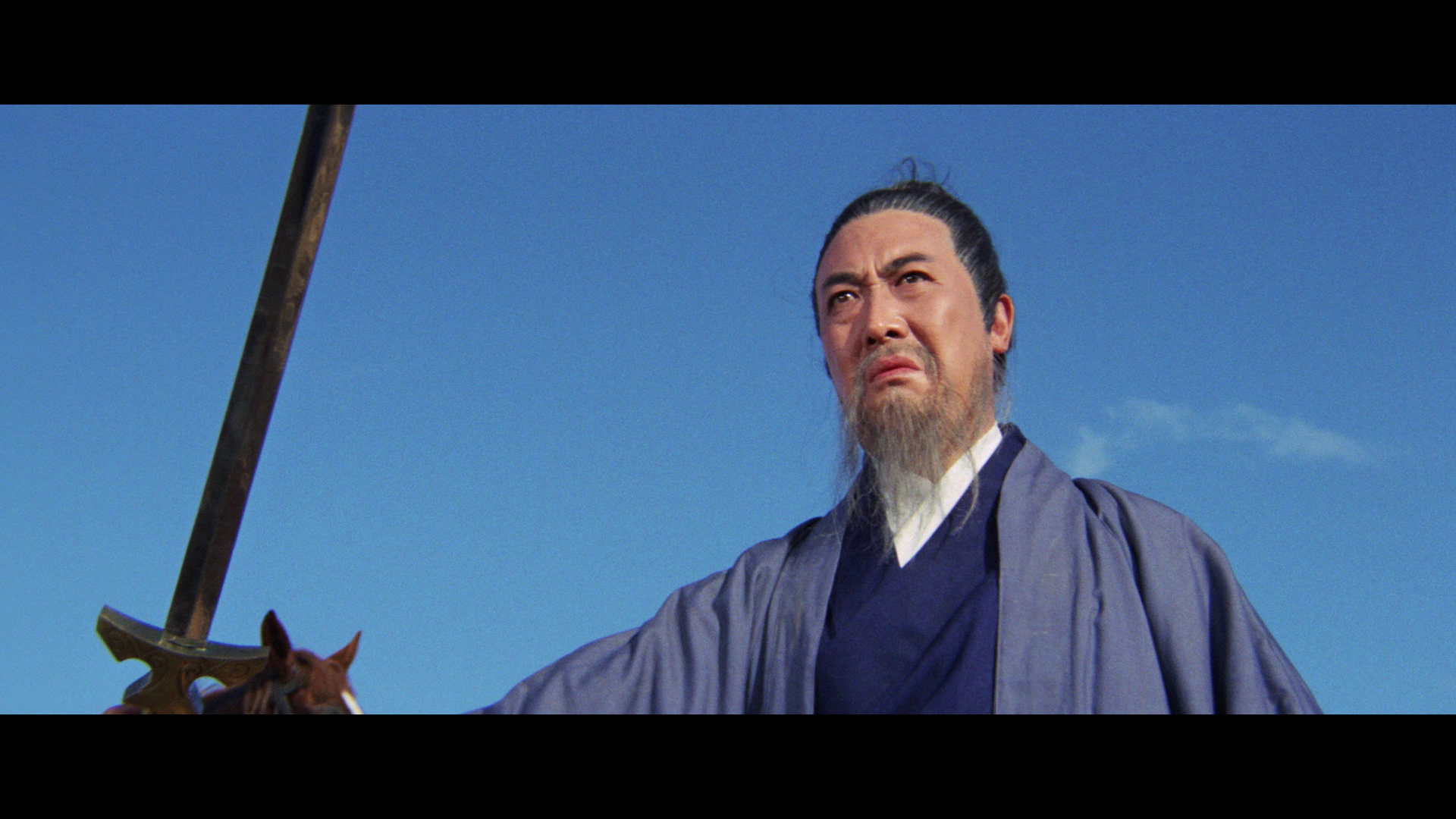
88 Films has outfitted The Angry River with a beautiful new 2K restoration from the original 35mm Eastmancolor negative, and the result is a staggering revelation for a film of this vintage. The 1971 production’s 2.39:1 presentation has impressive definition and constantly pleasing clarity. The AVC video encode is a complete knockout. The film’s aggressive color palette, full of piercing reds and emerald greens, is rendered with a saturation level that pops without bleeding. Deep, inky black levels help the picture quality exude real depth and dimension.
Fine film grain is resolved organically, untouched by destructive noise reduction, preserving the textural detail of the elaborate silk costumes and the intricate woodwork of the set design. Contrast is brilliantly balanced as the copious fog sequences never dissolve into a digital mess, but retain discrete layers of light and depth.
The level of high-frequency detail is frequently remarkable, revealing the fine stitching in a headdress or the subtle perspiration on an actor’s brow during a prolonged fight. It’s a near-reference quality transfer that frankly eclipses the film’s artistic standing, and I mean that as the highest compliment to the restoration team.
AudioAudio 5/5
Audio is served up in the original Mandarin mono, courtesy of a robust 2.0 PCM track. Fidelity is excellent, with the clang of broadswords and the exaggerated thwacks of palm strikes coming through with crisp, undistorted clarity. The Shaw Brothers-style score, a bombastic blend of western orchestration and Chinese motifs, is full-bodied and dynamic within the constraints of the single channel.
Interestingly enough, 88 Films has found the original English dub in mono. It’s included in a “hidden” audio option. The 2.0 PCM English audio is a fine way to enjoy The Angry River.
Dialogue is cleanly prioritized and free of age-related hiss or crackle in both soundtracks. Purists will enjoy the original Mandarin mono track for its authentic, front-and-center punch.
Optional English subtitles are newly translated from the original Mandarin audio and always play inside scope presentation.
ExtrasExtras 2/5
88 Films issues The Angry River on Blu-ray, making its North American debut on the format in a sizzling limited edition package. The premium slipcover is fantastic and helps the new original art by Aurelio Lorenzo pop. It’s a perfect cover that will look great on your shelf. A reversible sleeve features original Hong Kong movie poster artwork. Inside the single-disc BD case is a fold-out movie mini-poster.
The primary supplement on disc is a fine new audio commentary by Frank Djeng with Michael Worth, who have developed excellent rapport over many commentaries together.
The BD is coded for Region A.
Audio Commentary with Asian Cinema Experts Frank Djeng & Michael Worth
Image Gallery (02:06 in HD)
Theatrical Trailer (03:52 in HD; Mandarin audio)
Full disclosure: This Blu-ray was provided by the label for review. This has not materially affected DoBlu’s editorial process. For information on how we handle all review material, please visit DoBlu’s about us page.
Movie
The very first film produced by the legendary Golden Harvest studios in Hong Kong, this early Angela Mao action vehicle is decent wuxia.


Leave a Reply
You must be logged in to post a comment.