The Mastermind (2025) Blu-ray Review
Languid Arthouse Heist Movie3/5
Filmmaker Kelly Reichardt’s The Mastermind arrives draped in all the signifiers of a major auteur statement. She’s a celebrated director in certain circles, it has a pervasive retro aesthetic from the ’70s, and features an eclectic cast so finely curated it feels almost decadent. Yet for all its impeccable tailoring, the film stands as a monument to artistic inertia. The Mastermind is a heist movie that refuses to be a heist movie, a character study that forgets to furnish most of its characters, and a 110-minute exercise in laconic restraint that mistakes withholding for depth. It is, quite simply, less than the sum of its exquisite parts despite competing for the top prize at the 2025 Cannes Film Festival.
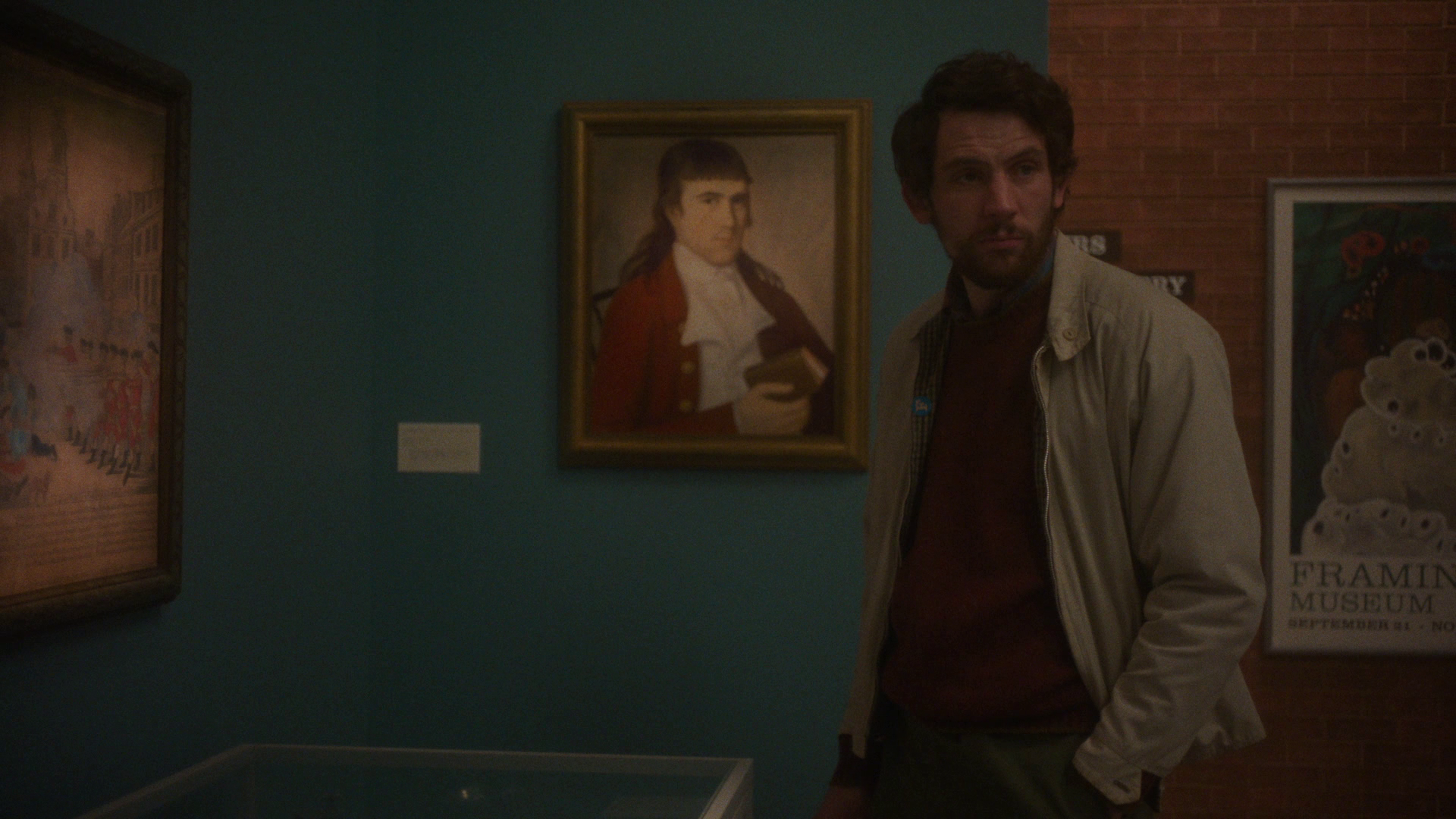
Let’s start with those parts that work because they are undeniably alluring. Josh O’Connor, fresh from his chameleonic turns in Challengers and La chimera, is asked to carry the entire edifice on his lanky frame as James “JB” Mooney, a disaffected family man drifting through a hazy 1970s New England with a wife and two children in tow. In a sleepy Massachusetts suburb, the unemployed man and amateur thief sets out on his first art heist in a local museum. Things predictably go wrong for JB.
O’Connor delivers exactly the kind of recessive, internalized performance the material demands – every glance weighted with unspoken longing, every silence sculpted into something almost tactile. He is magnetic in his opacity, and the film leans on his sad-eyed charisma so heavily that he essentially becomes the movie’s sole load-bearing wall. But even O’Connor’s prodigious talent can’t disguise the fact that he’s playing a void wrapped in a corduroy jacket. James is less a character than a collection of sensitive pauses, a man whose primary trait is a nebulous dissatisfaction that the screenplay mistakes for profundity.
The Mastermind is a heist movie that refuses to be a heist movie, a character study that forgets to furnish most of its characters, and a 110-minute exercise in laconic restraint that mistakes withholding for depth
The Mastermind is a heist movie that refuses to be a heist movie, a character study that forgets to furnish most of its characters, and a 110-minute exercise in laconic restraint that mistakes withholding for depth
Reichardt has always found grace in the rhythms of everyday labor and the quiet desperation of lives lived on the margins. Here her signature minimalist style curdles into self-parody. The film is ostensibly structured around a daring art heist, a premise that suggests tension, clockwork plotting, and the frisson of transgression. But Reichardt seems almost embarrassed by the genre trappings she’s adopted, actively draining every scene of urgency or suspense.
The planning sequences are so muted they barely register as the execution is a masterclass in deflation. This isn’t subversion but lamely disappointing. By the time the “heist” culminates in a sequence shot with such affectless detachment it could be a trip to the grocery store, you realize the film has fundamentally reneged on its contract with the audience. It promised a crackerjack caper and delivers an oddly introspective mood piece on the emptiness of suburban living.
This might be forgivable if the introspection led somewhere, but The Mastermind is ultimately a character piece about an unemployed man that confuses stasis with significance. James drifts from one artfully composed frame to another, smoking cigarettes in golden-hour light, exchanging terse dialogue with a rotating cast of characters who remain stubbornly two-dimensional.
The cast outside star Josh O’Connor is largely wasted. John Magaro, a Reichardt regular capable of immense vulnerability, is given little to do but furrow his brow in supportive concern. Bill Camp shows up to deliver exactly the kind of gruff gravitas you’d expect, then disappears. Alana Haim plays the concerned wife but is given so little dialogue she might as well be a figment of my imagination. Hope Davis plays JB’s concerned mother in a slightly meatier role.
These are actors primed to create a rich ensemble tapestry, but the screenplay by Reichardt and Jonathan Raymond leaves them stranded, their characters undeveloped sketches rather than fully realized counterpoints to James’s central ennui. The frustration mounts as you realize the film isn’t interested in the collaborative dynamism of a heist crew or the interpersonal friction that makes ensemble capers sing. It’s interested in James staring pensively into the middle distance, and only that.
The retro aesthetic, all wood-paneled station wagons and analog artifacts, is rendered with the usual Reichardtian fastidiousness, but it too curdles into mere set dressing. The period detail feels less like a lived-in world than a curated playlist of 1970s signifiers, a backdrop for James’s drift rather than a society with its own pressures and contradictions. The film gestures toward themes of economic precarity and the commodification of art, but these ideas float by as weightlessly as everything else, never cohering into a pointed argument. The Mastermind wants to be a meditation on the relative values of art, of labor, of a life stripped of conventional purpose. However its own values are muddled. It’s a film made more for the gallery wall than the multiplex, a rarefied object designed to be admired from a respectful distance rather than experienced with any visceral engagement.
In the end, The Mastermind exemplifies a particular strain of American independent cinema that has elevated tasteful restraint to a cardinal virtue, mistaking a lack of momentum for seriousness. Reichardt has made sensitive, well-crafted films before by pushing against narrative convention, but here the push becomes a shrug. The film’s conclusion arrives not with a bang or a whimper, but with the dying embers of the ’60s counterculture, a rather muted and curious end for a movie that never truly begins. For all its impeccable craftsmanship and the valiant efforts of its leading man, The Mastermind remains a beautifully wrapped box containing very little. It’s art, certainly. But cinematic entertainment? Maybe that is the real heist.

Video Video3/5
If the 5.1 surround audio is the movie’s secret weapon, the 1080p AVC-encoded transfer is the disc’s quiet admission of defeat. This is a 1.78:1 presentation so committed to the film’s foggy aesthetic that it barely qualifies as high-definition excellence. Squeezed onto a BD-50 with a transparent bitrate and running 110 minutes, the image is technically competent but visually listless, a perfect match for the movie it serves.
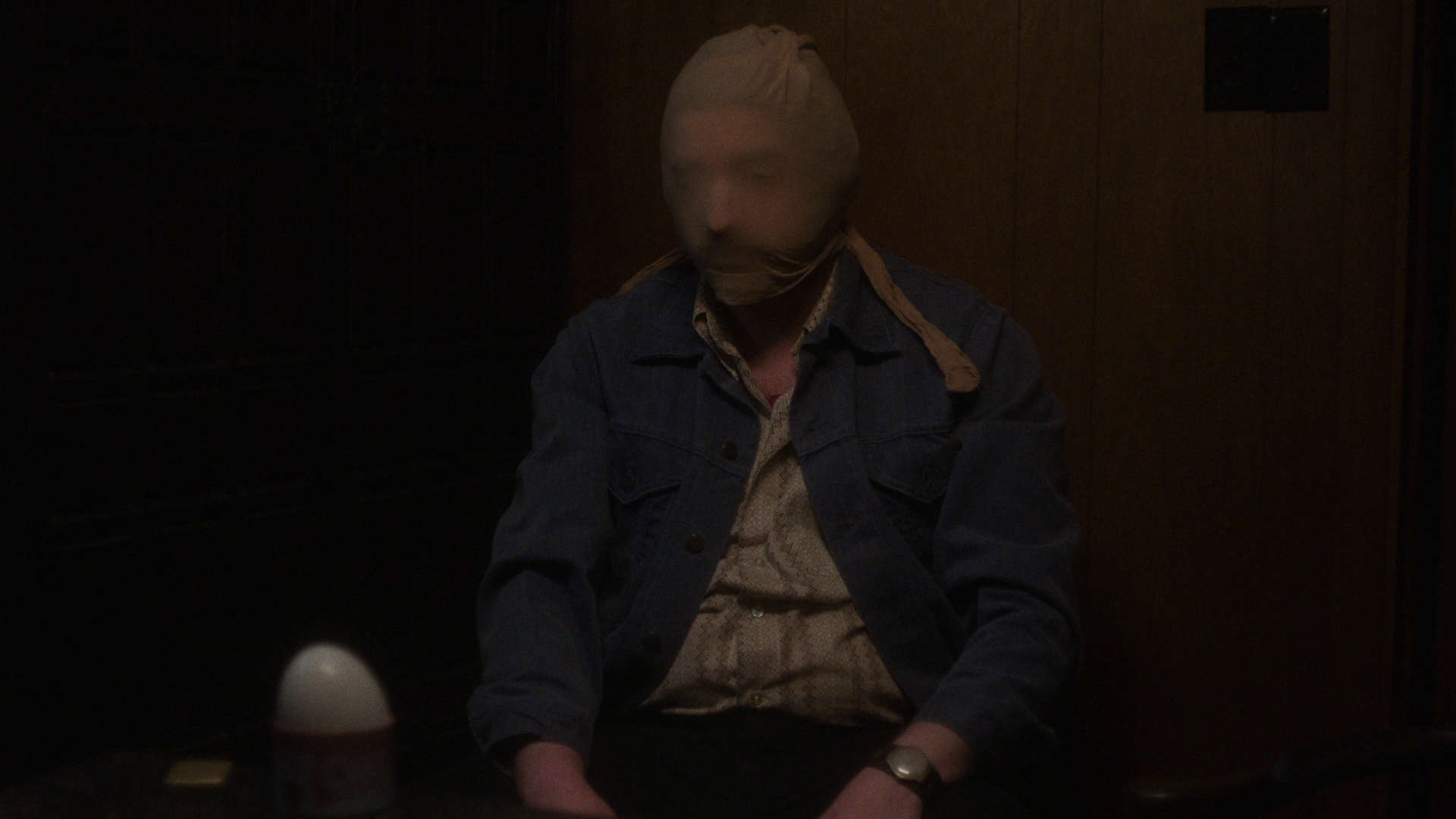
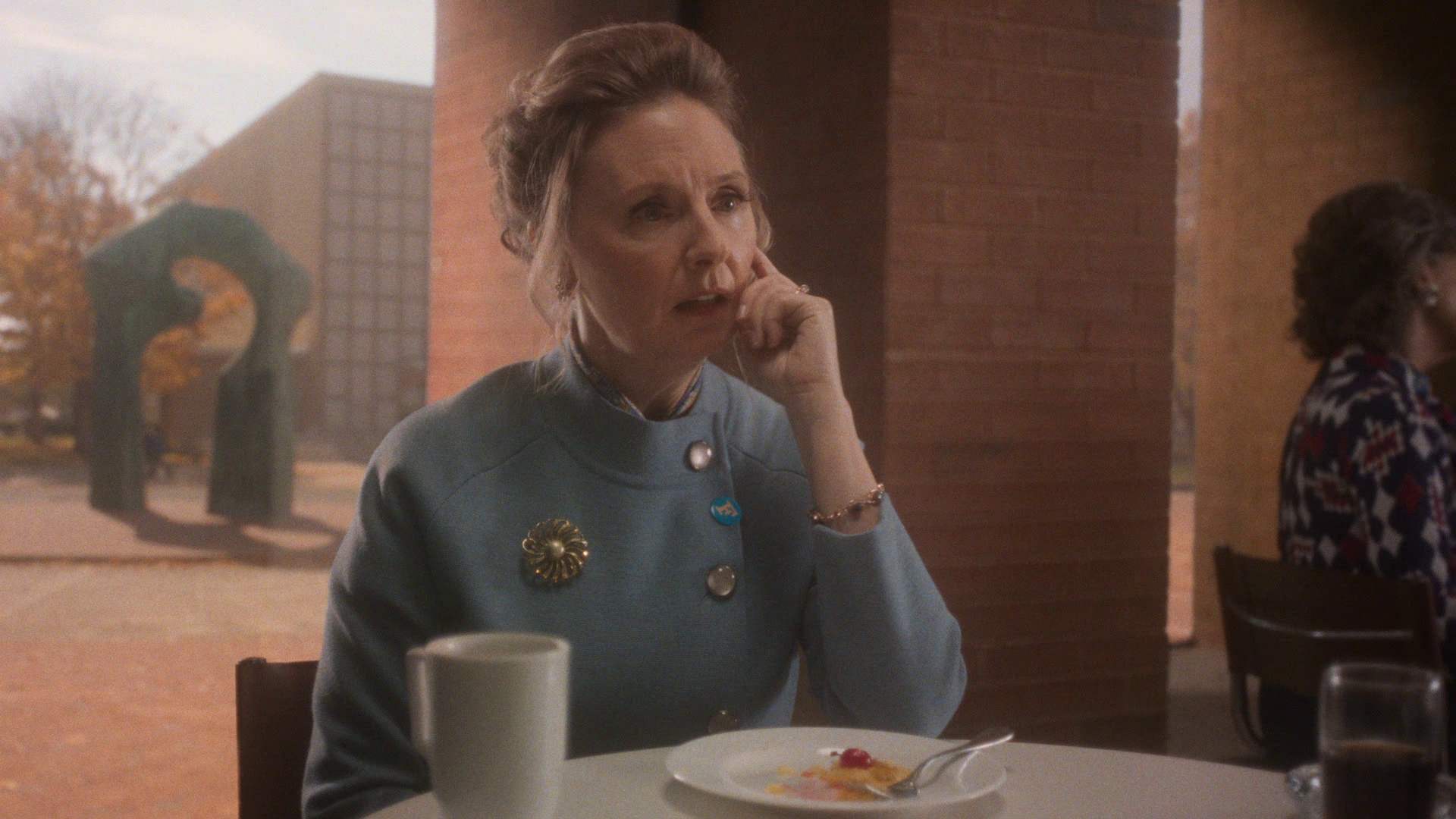
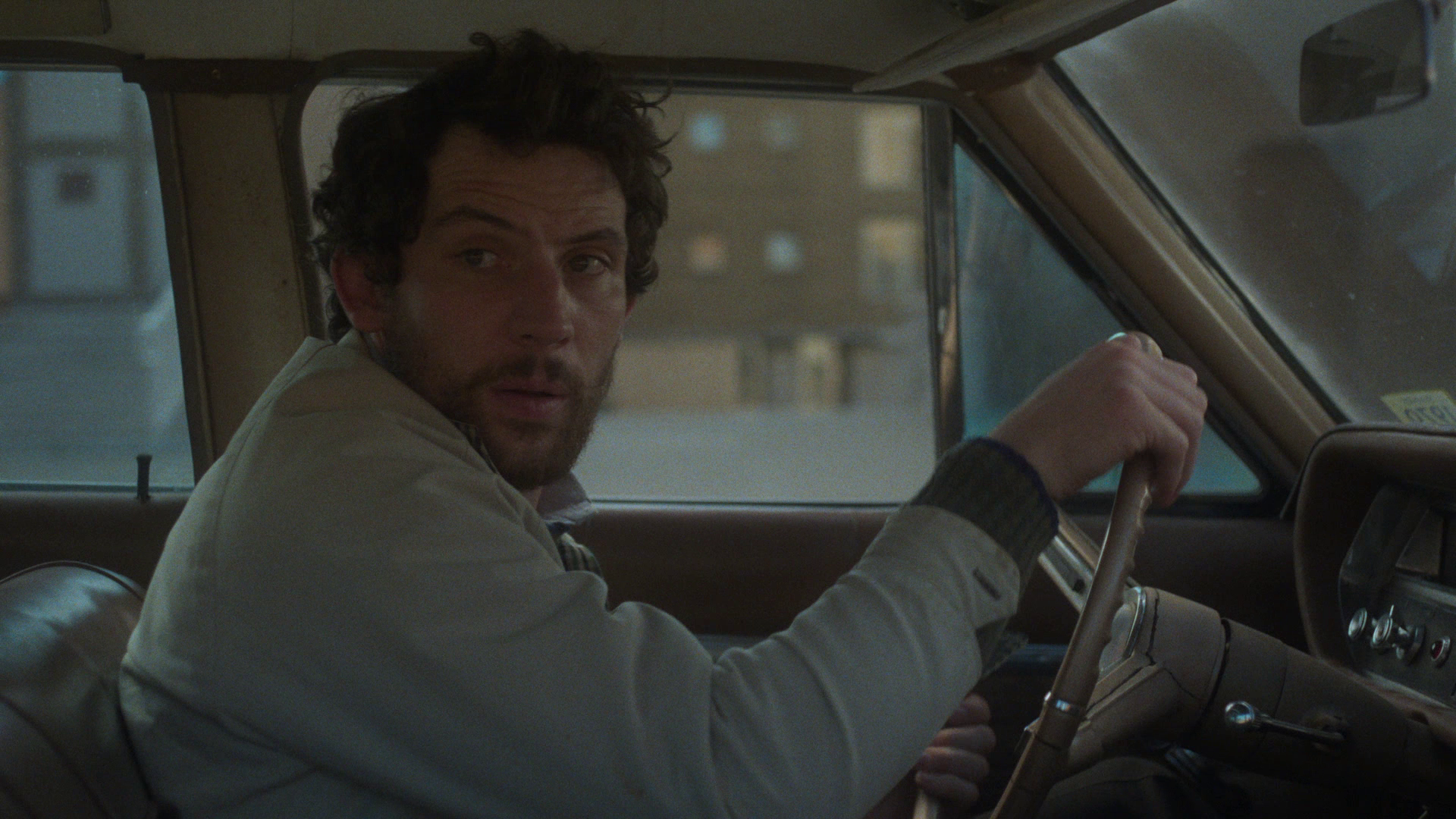
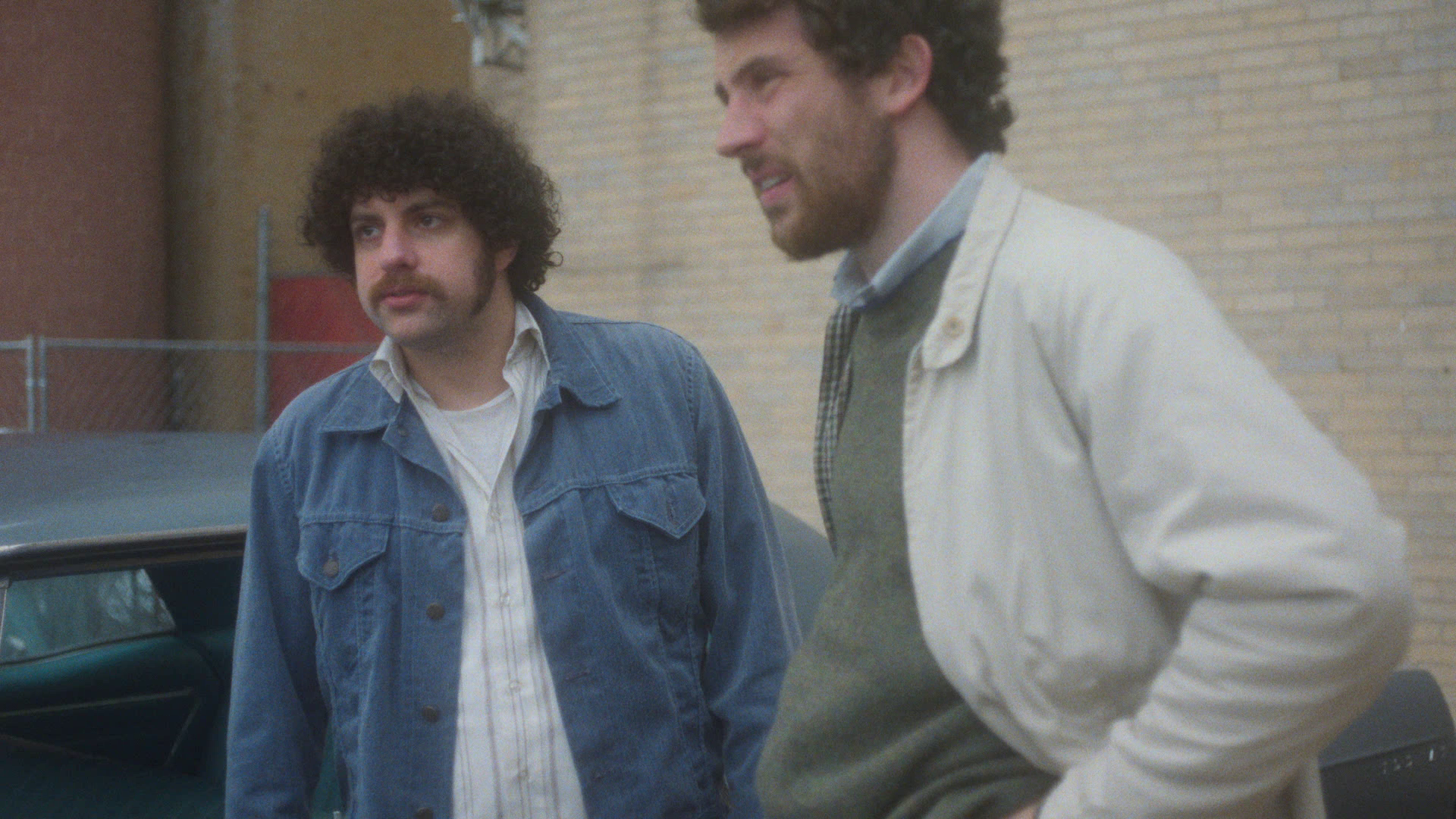
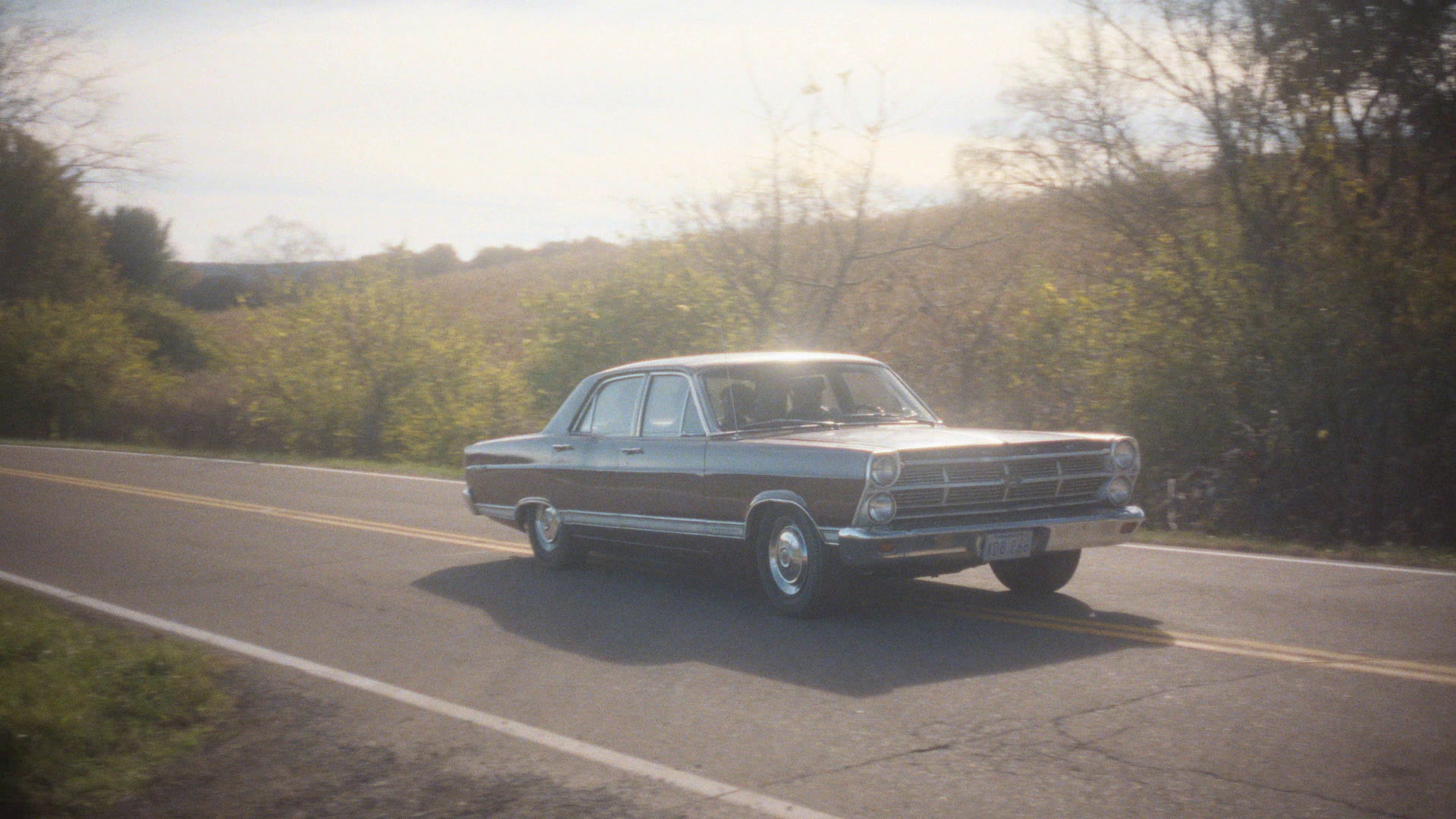
Cinematographer Christopher Blauvelt leans heavily into a vintage aesthetic that often resembles a photograph left to fade in a sunny window. This is one of the most aggressively autumnal palettes ever committed to disc with a relentless bath of ochre, burnt sienna, tobacco, and muddy brown. The entire film looks like it was graded inside a dull pumpkin. Fine detail is present in fleeting bursts but the pervasive softness and deliberately hazy lighting routinely smother any hope of crisp definition. Blacks are solid rather than deep, and shadow detail frequently retreats into an average murk.
The 1.78:1 presentation is adequate but unremarkable, filling a modern display without the deliberate widescreen compositions that might have lent the drifting visuals some formal rigor. Digital noise is absent, and the encode handles the film’s modest dynamic range without breaking a sweat, but there’s simply nothing here to test a display or reward close scrutiny. It’s a faithful reproduction of an intentionally drab source, producing a competent, uninspired transfer of a competent, uninspired look. The disc gives you exactly what Reichardt intended in her mannered retro approach back to the 1970s.
Audio Audio4/5
While the film itself may be a study in dramatic inertia, the 5.1 DTS-HD MA track is an unexpected success despite long stretches of nothing but quiet dialogue. It’s an immersive, meticulously textured mix that almost compensates for the narrative’s refusal to generate its own heat.
The surround field is employed less for bombastic effect than for enveloping atmosphere, transforming Reichardt’s muted world into a surprisingly tactile sonic environment. Ambient details are exquisitely placed, including the distant cry of gulls over a desolate New England harbor, the gentle ticking of a radiator in a cavernous loft, the rustle of wind through bare trees. The rear channels are alive with subtle presence, creating a cocoon of period-specific quiet that pulls you deeper into the film’s haze than the indifferent plotting ever manages.
The score is a sinuous, jazz-inflected affair that leans into smoky saxophone lines, brushed snare drums, and languid bass walks. It evokes a kind of worn-in 1970s cool, less swagger and more late-night, last-call melancholy. The DTS-HD MA track renders the instrumentation with gorgeous fidelity, spreading the brass across the front soundstage with a warmth that feels almost analog. The score becomes the film’s emotional engine by default, supplying the tension and longing the screenplay withholds.
The sound design is appropriately mannered, favoring deliberate, isolated effects over chaotic cacophony. Dialogue, when it dares to emerge from the actors’ mouths, is locked cleanly to the center channel and rendered with crystalline precision. It’s a beautifully restrained, technically flawless audio presentation that serves the film’s hushed aesthetic perfectly. Whether that aesthetic deserved such treatment is another matter entirely.
Optional English, English SDH, French, French SDH, Spanish, and Spanish SDH subtitles play in a white font. Secondary audio options include 2.0 DTS-HD MA stereo and 2.0 Dolby Digital Descriptive Audio.
Extras Extras1/5
MUBI includes a featurette exploring the historical background forming The Mastermind’s plot, as museum heists were major news stories in the early 1970s. First pressings include a slipcover and a set of postcards featuring works from the Framingham Museum of Art seen in the movie.
The disc is marked as Region A on the BD’s backcover but some indications from other sources say it may play in all regions. Madman Entertainment issued a locked Region B Blu-ray in Australia.
“The Mastermind: Unwinding the Heist Film” A Video Essay (14:26 in HD)
Full disclosure: This Blu-ray was provided by the label for review. This has not materially affected DoBlu’s editorial process. For information on how we handle all review material, please visit DoBlu’s about us page.
-
Video
-
Audio
-
Extras
Movie
A heist movie that isn’t a heist movie, star Josh O’Connor struggles with the ennui of suburban family life circa 1970
User Review
( votes)Disc specifications
- Studio
- MUBI
- Format
- Blu-ray
- Film content rating
- R
- Original film year
- 2025
- Film runtime
- 110 Minutes
- Disc audio format
- DTS-HD MA 5.1, DTS-HD MA 2.0
- Subtitles
- English, French, Spanish
- Disc type
- BD-50
- Disc street date
- June 30th, 2026
- Review publication date
Blu-ray Screenshots from The Mastermind (2025) from DoBlu.com
6 of 34 shown
The complete screenshot set is available to DoBlu subscribers on Patreon.
Tags
More movies like this
Christopher ZabelAuthor bio
Christopher Zabel has moderated the AVSForum's Picture Quality Tiers for the last decade. A videophile with a real passion for genre films and quality filmmaking, personal favorites include everything from Fight Club to 2001: A Space Odyssey. A firm believer in physical media, his ever-growing film collection has begun threatening the space-time continuum with its enormous mass.
View all posts by Christopher Zabel →Buy this edition
Need something for your home theater?
We earn from Amazon if you purchase


