Ping Pong Blu-ray Review


Japanese Table Tennis SmashMovie 4/5
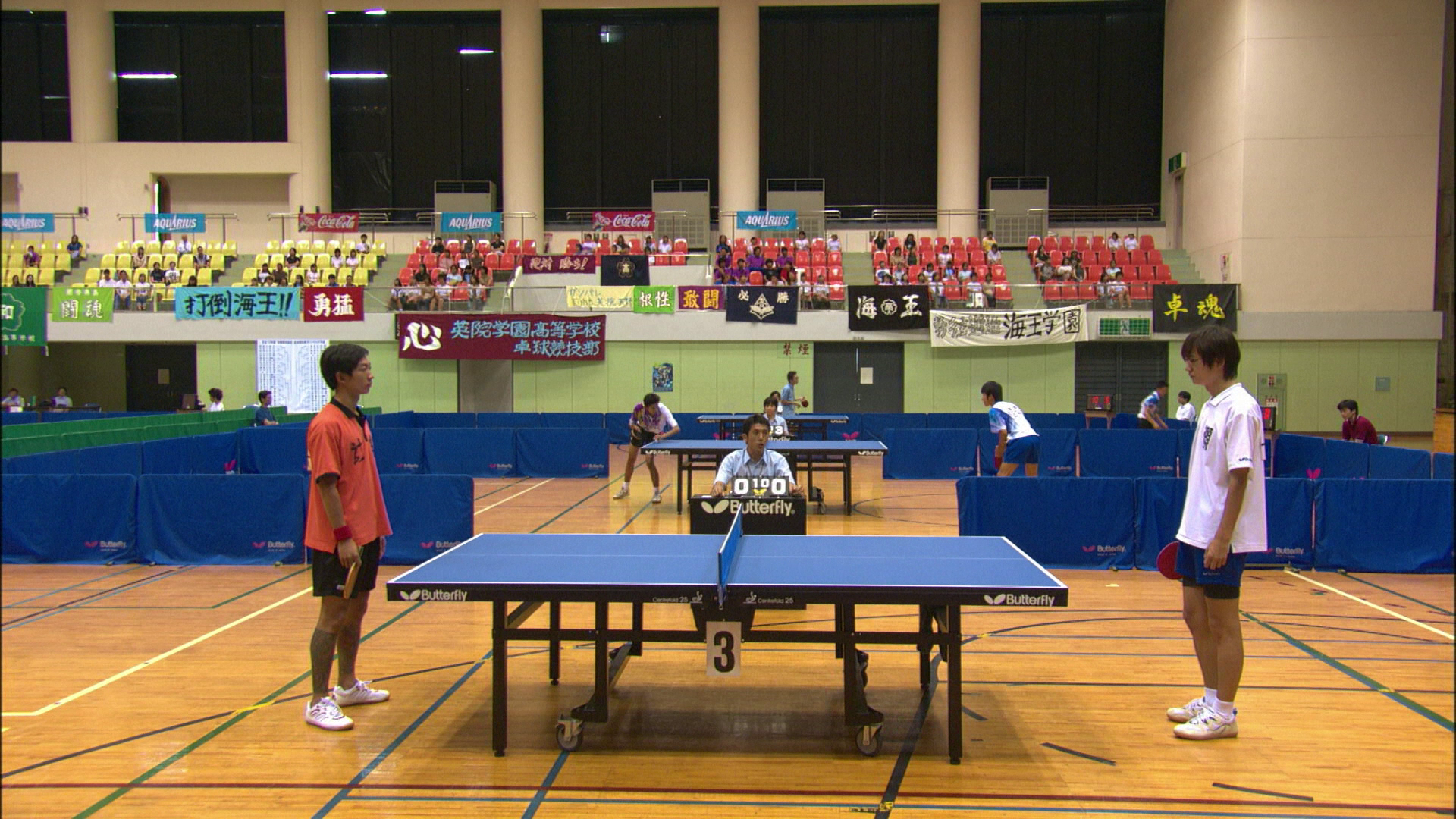
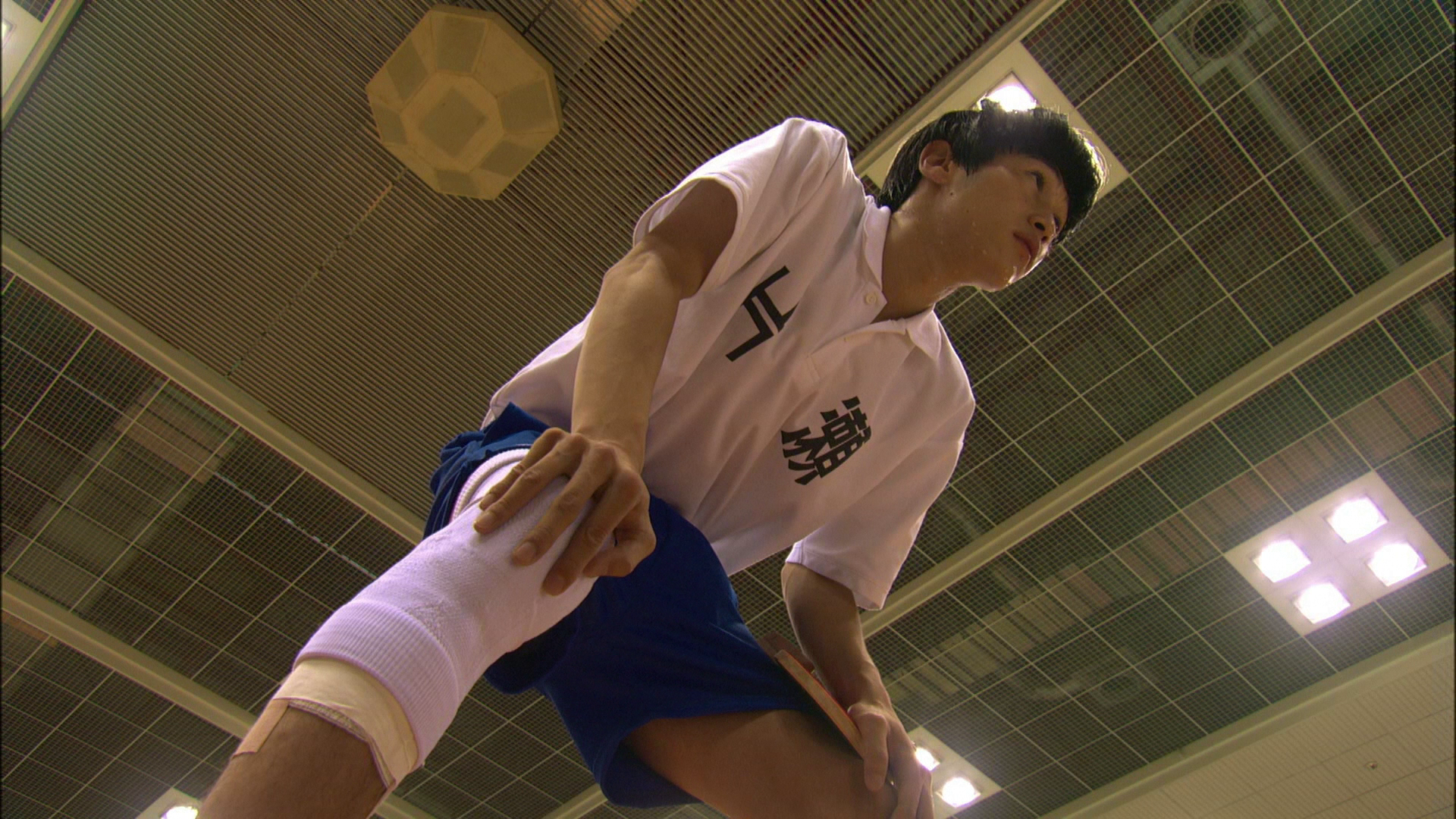
Every so often, a film comes along that smacks you right in the face with its sheer audacity, its unapologetic style, and its unexpected emotional wallop. Fumihiko Sori’s Ping Pong is exactly that kind of movie. This 2002 Japanese sports comedy, based on Taiyo Matsumoto’s cult manga, is nothing short of a revelation as a live-action anime fever dream that somehow makes a bunch of high school kids whacking a plastic ball across a table feel like the most important thing in the universe.
Adapting Matsumoto’s famously idiosyncratic artwork into live action is a task that would stop any filmmaker, but first-time director Fumihiko Sori, who cut his teeth as a special effects supervisor on Titanic, smashes all expectations. Sori shot the entire movie digitally and stuffed it to the gills with visual tricks that perfectly translate every twitchy panel of Matsumoto’s manga into kinetic, pulsating cinema.
Ping Pong is the greatest movie ever made about table tennis by a wide margin
The result is a film that feels less like a conventional movie and more like an anime that somehow leaped off the page and into our world. Sori’s experience with CGI pays dividends, as he employs computer-generated imagery to capture the intense speed of the game and the mindset of each player. Fading players sprout wilting butterfly wings. Close-ups dissect the impact of the ball on the surface of the paddles. Surreal flocks of seagulls streak through anonymous community gymnasiums. It’s flashy and over-the-top, working beautifully in service of the story.
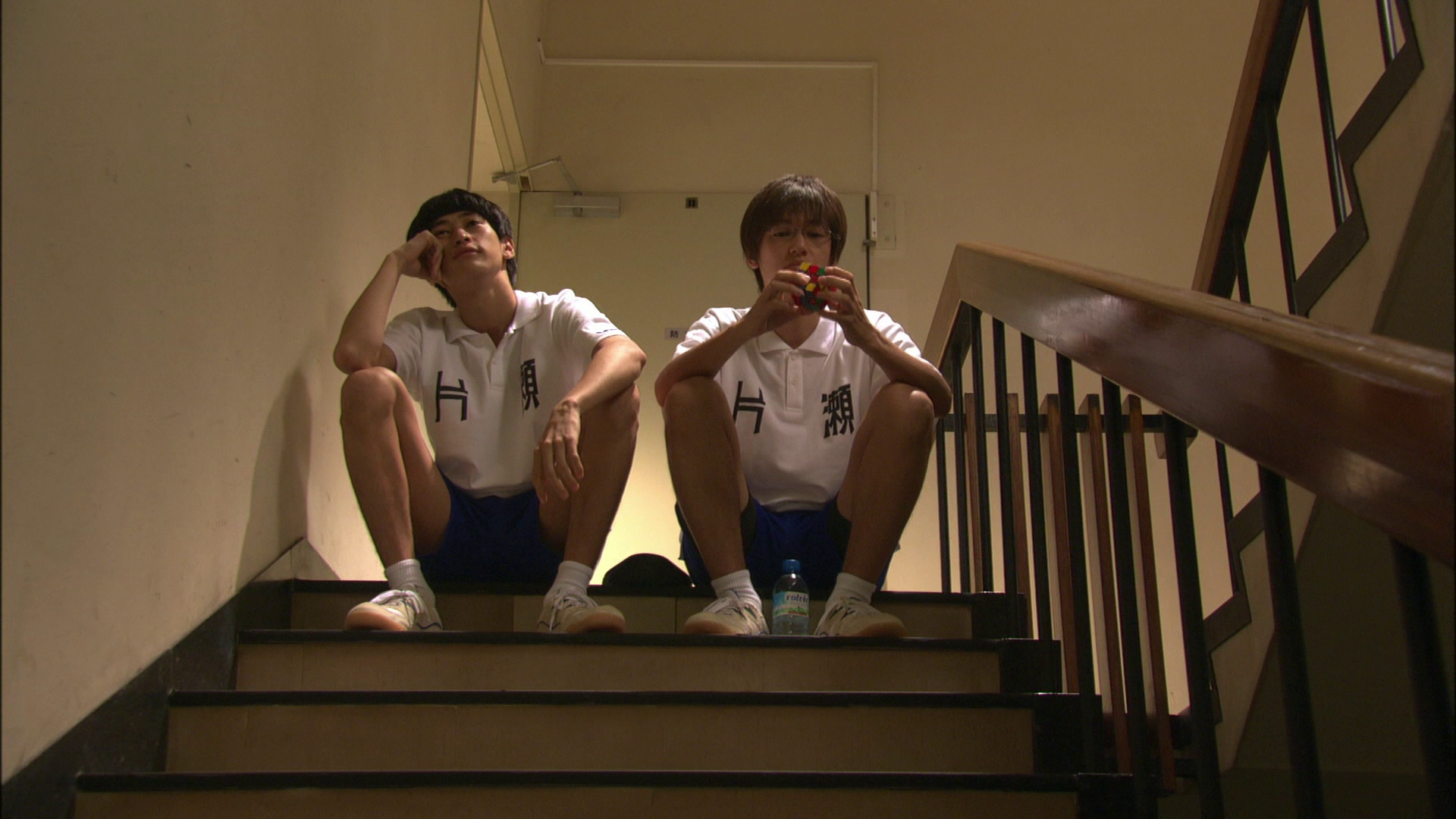
At the center of this visual whirlwind are two friends who couldn’t be more different. Peco (Yōsuke Kubozuka) is a brash, bowl-haired loudmouth who walks into every room waiting for applause. He boasts about becoming the greatest table-tennis player in the world and treats practice as something reserved for people with less natural ability. His arrogance is juvenile rather than cruel, and Kubozuka’s performance gives him a restless physicality that’s impossible to look away from.
Then there’s Smile (Arata Iura), Peco’s introverted best friend who earned his nickname because he never smiles. Smile is actually more talented at table tennis, but so emotionally withdrawn that winning appears to mean almost nothing to him. During practice, he deliberately plays beneath his ability and lets Peco preserve the illusion that he’s the king of the court. Arata’s performance is controlled to the point of discomfort, with shifts in expression revealing how much the character refuses to say. Western audiences may find Smile difficult to understand as a character and how reluctant he is to upstage his best friend.
Their friendship gives the film far more weight than its flashy presentation initially suggests. Their backstory together is that Peco once protected Smile from bullies as a child, explaining the complicated dynamic that plays out across the table now that they are rivals of a sort on the same high school team. This isn’t just a sports movie but a story about two friends who have gotten stuck in roles they chose as kids.
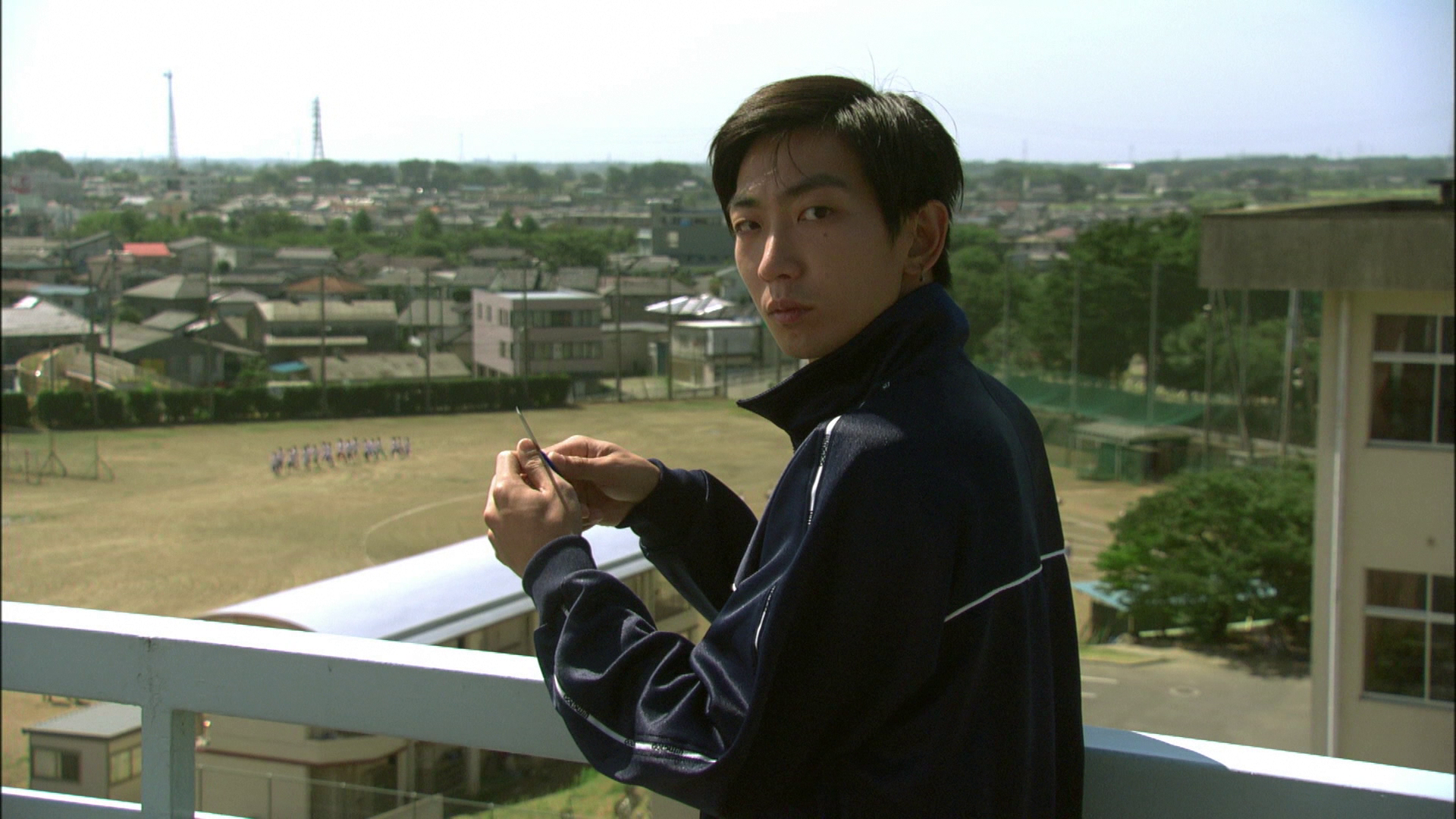
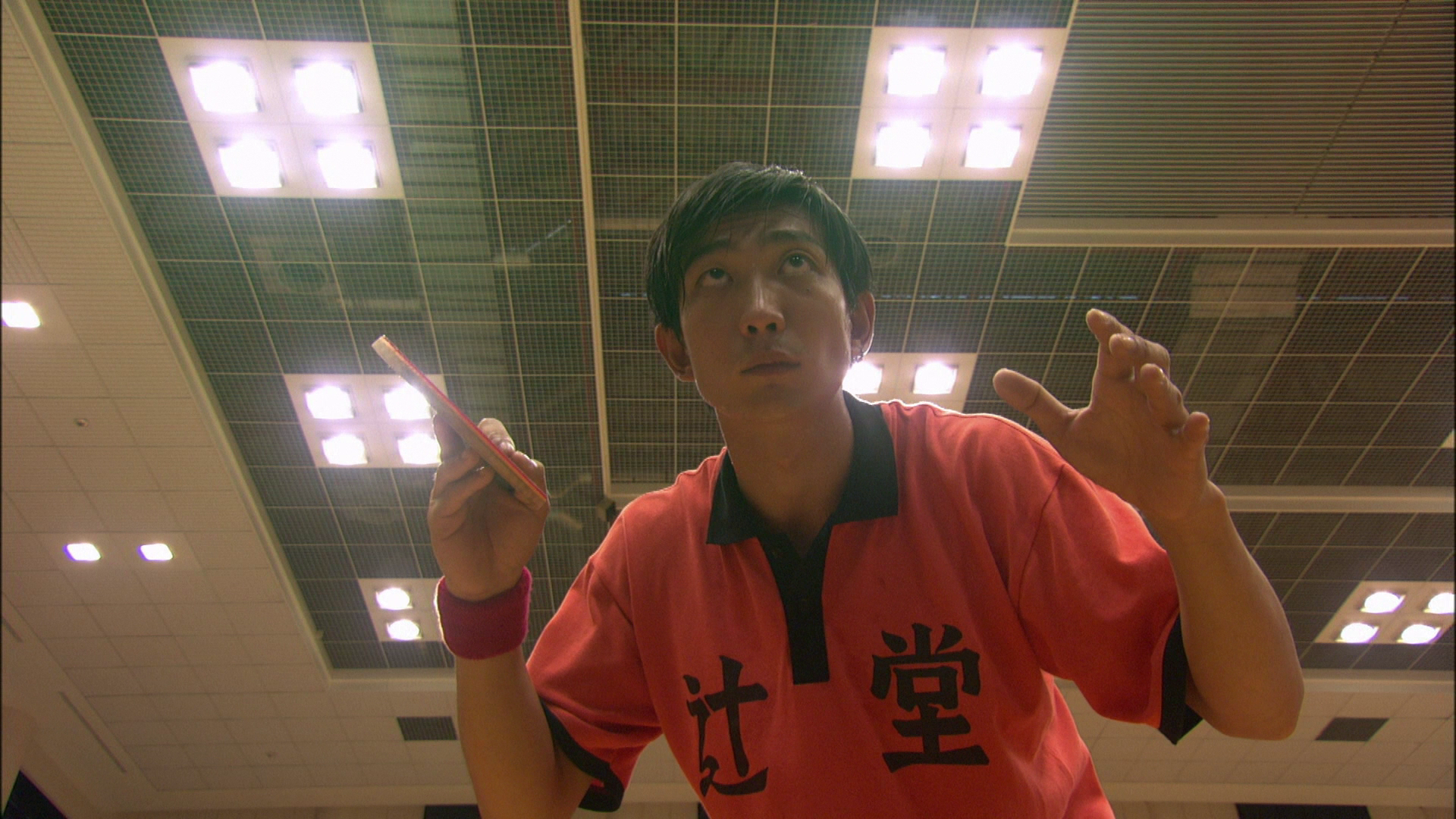
Like any good sports anime, no high school sports drama would be complete without rivals, and Ping Pong delivers them in spades. Dragon (Nakamura Shidō II) is the chrome-domed “Death Star of ping pong,” a joyless technician whose every movement is beautiful violence. Nakamura brings a commanding presence that makes Dragon genuinely intimidating.
Then there’s China (Sam Lee), a Chinese player who couldn’t make the national team and came to Japan hoping to be a big fish in a small pond. Lee plays the role with a remote, self-loathing quality that adds another layer of complexity to the tournament. The supporting cast are all given meaty roles by screenwriter Kankurō Kudō.
For all its visual bombast, Ping Pong is punctuated with colorful humor that keeps the proceedings from ever becoming too self-serious. Peco’s over-the-top immaturity provides plenty of laughs, but the film also knows when to dial it back. The comedic touches are great, yet the parts meant to be serious are done with genuine emotional weight. You’ll laugh as Peco is trained Rocky-style by the chain-smoking granny who runs the local pool hall.
The special effects are nothing short of fantastic. Sori and his long-time collaborator Shinji Aramaki storyboarded the table-tennis scenes with such precision that approximately 90% of the balls you see are animated effects. Nearly a quarter of the entire film’s scenes were processed with CG. The director brings a welcome energy to a tired genre, utilizing CGI to capture the intense speed of the game and the private obsessions of each player.
Some might call it “The Matrix of ping pong,” and that description isn’t entirely off the mark. Ping Pong has a lot more emotional weight than your typical uplifting sports movie. Ping Pong might follow a generic sports formula, but does so with a lot of heart and confidence. Stylistically stunning and completely fun, it’s nevertheless perceptive about high school social hierarchies and the benefits of knowing one’s place in the sports ecosystem.
First-time director Fumihiko Sori crafted a phenomenally stylish debut that transcended mere novelty interest. With its array of enjoyable characters and slick visuals, Ping Pong is the greatest movie ever made about table tennis by a wide margin.

VideoVideo 4/5
88 Films delivers crisp video for Ping Pong in the form of a 1.78:1 1080p presentation that earns high marks for clarity and sharpness.
The 2002 Japanese production was an early digital film that holds up rather well, though it’s lit more like a television program than a traditional movie. That adds a strong contrast and deep black levels, outside of a few VFX shots which affect the video quality. Detail is quite high with razor-sharp close-ups revealing noise-free textures and features. The palette is nicely saturated with realistic flesh-tones.
The main feature runs 114 minutes on a BD-50. The AVC encode is excellent at capturing the clean digital picture quality. This is a huge improvement over earlier DVDs and even an early Blu-ray issued in Japan. 88 Films has given fans the definitive videophile experience for Ping Pong.
AudioAudio 4/5
The original 5.1 DTS-HD MA Japanese audio lays out a lightly immersive surround presentation that mostly fills the soundstage. The dialogue-driven film has a few impressive sonic moments, especially during competitive table tennis sequences. There’s a comfortable rear presence with panning cues and the occasionally flurry of discrete activity.
Japanese films often lack excellent surround mixes but Ping Pong is one clear exception.
Optional English subtitles play in a white font translating the Japanese dialogue. Secondary 2.0 DTS-HD MA Japanese audio is also included for stereo listeners.
ExtrasExtras 3/5
Ping Pong hits Blu-ray courtesy of 88 Films in a limited edition release with an OBI strip that is individually numbered out of 4000 units. Inside is a 12-page booklet with an essay by Jonathan Clements. The reversible cover sleeve includes original art and new art by Luke Insect.
While 88 Films commissions new and exclusive special features for this edition of Ping Pong, including an audio commentary and featurettes, they failed to license several extensive bonus features found on the original VIZ DVD which had multiple short films and a one-hour making-of featurette.
The BD is coded for regions A and B.
Audio Commentary By Zack Davisson
An Artist’s Take: Interview With Filmmaker Michael Arias On Taiyo Matsumoto & Ping Pong (21:30 in HD) – The director behind Tekkonkinkreet discusses how he saw the original manga.
A Different Class (13:43 in HD) – Arrow Video regular Jaspar Sharp offers his insights into the movie.
Trailer (01:35 in HD)
Full disclosure: This Blu-ray was provided by the label for review. This has not materially affected DoBlu’s editorial process. For information on how we handle all review material, please visit DoBlu’s about us page.
Movie
A perfect blend of humor, ping pong action, and over-the-top characters that feels like a live-action sports anime set in high school






Leave a Reply
You must be logged in to post a comment.